News
The Role of Capacitive Touchscreen in Modern Healthcare: Improving Medical Device Interfaces and User Experience
The Role of Capacitive touchscreens in Modern Healthcare: Improving Medical Device Interfaces and User Experience
Why touchscreen Technology Matters in Modern Healthcare
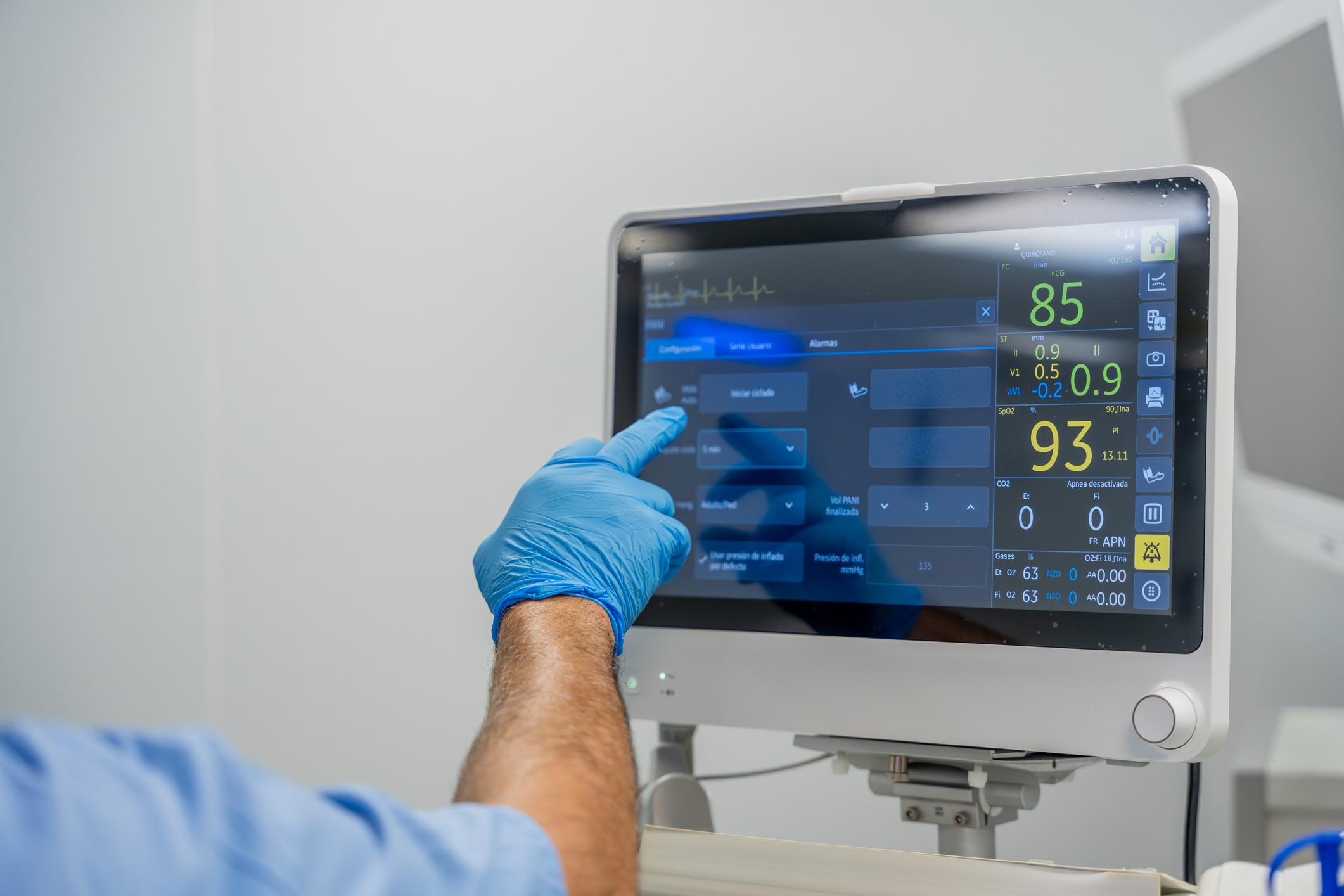
In modern healthcare environments, medical devices must deliver accurate information, reliable operation, and intuitive user interaction. Doctors, nurses, and laboratory technicians frequently operate equipment under demanding conditions, including busy clinical workflows, bright lighting, and the need to wear medical gloves.
They may need to adjust parameters, acknowledge alarms, review patient data, or navigate complex operating menus within seconds. Under these conditions, the quality of the user interface directly affects how efficiently medical equipment can be operated.
This is one reason why the capacitive touchscreen has become an important interface technology in modern medical equipment.
Compared with traditional button-based control panels, projected capacitive (PCAP) touchscreen offer responsive interaction, flexible graphical interfaces, multi-touch functionality, and streamlined front-panel designs.
However, integrating a capacitive touchscreen into medical equipment involves more than simply combining a touch panel with an LCD. Engineers must consider glove operation, cleaning and disinfection requirements, optical performance, electromagnetic compatibility, mechanical integration, and long-term reliability.
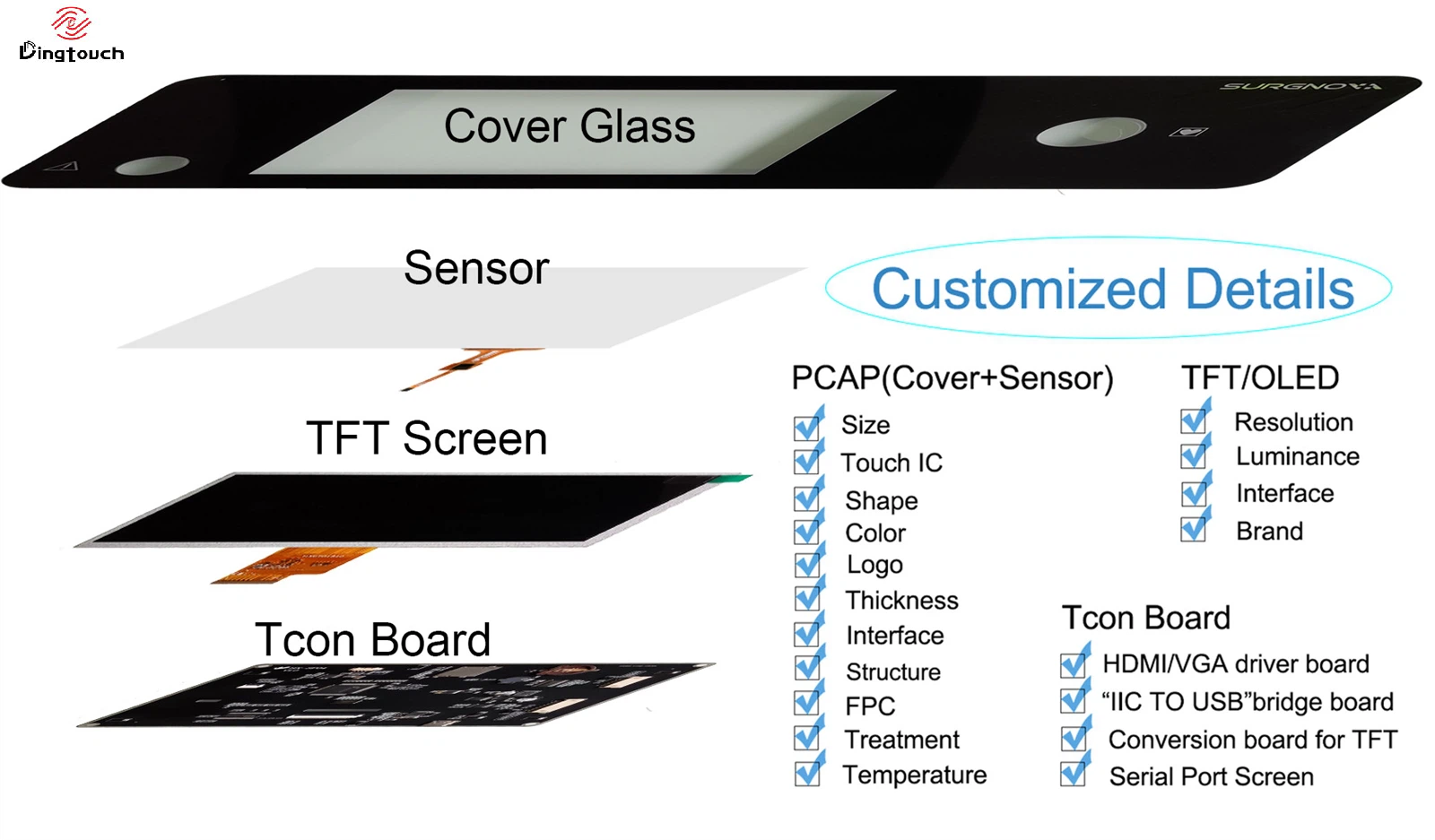
At DINGTouch, we provide customized industrial and medical touch display solutions, combining capacitive touchscreens, TFT LCD modules, cover glass, and optical bonding to meet different equipment requirements.
This article explores how capacitive touchscreens improve modern healthcare interfaces, their applications in medical equipment, and the key engineering considerations for selecting the right touchscreen solution.


1. What Is a Capacitive touchscreen and Why Is It Suitable for Medical Devices?
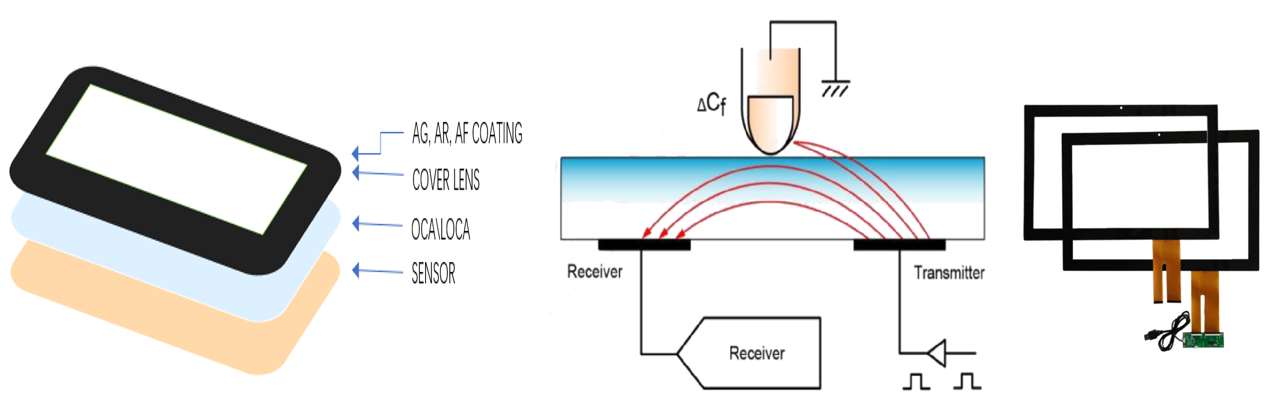
A capacitive touchscreen detects touch input through changes in an electrostatic field. When a conductive object, such as a human finger, approaches or contacts the sensing surface, the touch controller detects the corresponding capacitance changes and calculates the touch position.
Most modern medical touchscreen applications use projected capacitive (PCAP) technology, which supports accurate touch detection and multi-touch operation.
Several characteristics make PCAP technology suitable for medical equipment.
1.1 Responsive and Accurate Touch Operation
Capacitive touchscreen provide fast response and accurate positioning, allowing medical personnel to operate menus, adjust settings, and interact with graphical interfaces efficiently.
Depending on the touch controller and sensor design, multi-touch functionality can also support gestures such as zooming, scrolling, and rotating displayed information.
1.2 Multi-Touch Support for Advanced User Interfaces
Modern medical devices increasingly use graphical interfaces to display patient information, measurement results, operating parameters, and diagnostic data.
Multi-touch functionality makes it possible to implement more intuitive interactions, including:
-
Zooming into medical images and data charts.
-
Scrolling through patient records.
-
Navigating multi-level menus.
-
Selecting multiple interface elements.
-
Interacting with complex graphical dashboards.
1.3 Flat Front-Surface Design
A capacitive touchscreen can be integrated with a flat cover glass, reducing the need for multiple mechanical buttons and openings.
This design can simplify front-panel layouts and make routine surface cleaning more practical when combined with suitable enclosure sealing and compatible materials.
2. How Medical Device Interfaces Are Evolving
Traditional medical equipment often relies on physical buttons, switches, and rotary controls.
As medical devices become more intelligent and multifunctional, their interfaces increasingly need to support:
-
Patient monitoring and parameter configuration.
-
Real-time data visualization and trend analysis.
-
Alarm management and warning notifications.
-
User authentication and access control.
-
Network connectivity and information management.
-
Guided operating procedures and system diagnostics.
Adding more physical buttons can increase panel complexity and make operation less intuitive.
A touchscreen-based interface provides another approach. Device manufacturers can organize functions into graphical menus, workflow-based screens, and context-sensitive controls.
More importantly, software-based interfaces can be updated without redesigning the entire physical control panel.
For medical equipment manufacturers, this creates greater flexibility during product development and future product upgrades.
3. Common Applications of Capacitive touchscreens in Healthcare Equipment
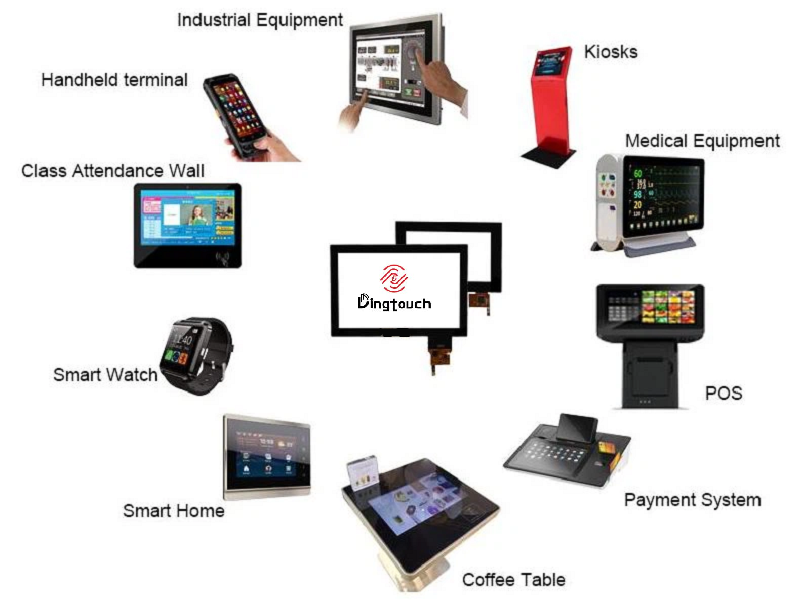
Capacitive touchscreens are widely used in different categories of medical and healthcare equipment.
3.1 Patient Monitoring Systems
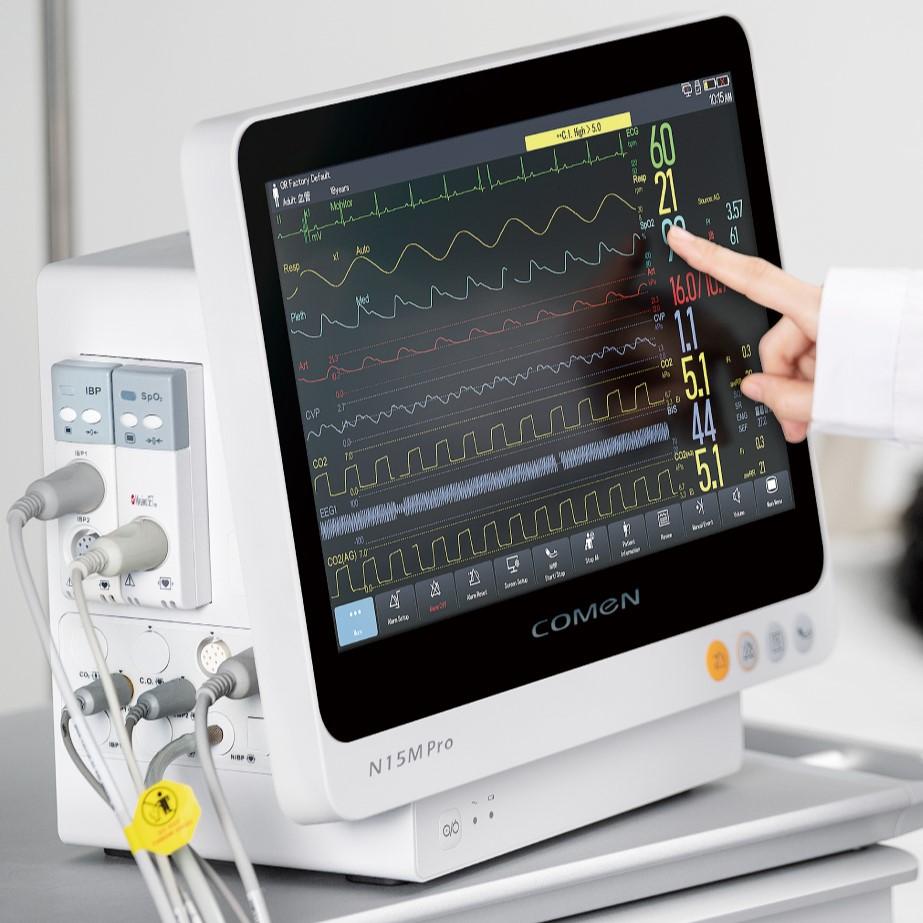
Patient monitors require clear and immediate access to vital signs, including ECG waveforms, oxygen saturation, blood pressure, and other physiological parameters.
A high-quality touch display allows healthcare professionals to navigate measurement settings, review historical data, and manage alarms through an intuitive interface.
Important considerations include display readability, touch accuracy, glove compatibility, and stable operation.
3.2 Medical Diagnostic Equipment
Diagnostic instruments often require sophisticated graphical interfaces for controlling measurement procedures and displaying test results.
Capacitive touchscreens support intuitive menu navigation, parameter adjustment, and visual data presentation.
Depending on the application, engineers may also need to consider high-resolution LCD panels, optical bonding, and electromagnetic interference protection.
3.3 Laboratory Equipment and Medical Analyzers
Laboratory analyzers and testing instruments are frequently operated in controlled environments where gloves and repeated surface cleaning are part of normal workflows.
A flat PCAP touchscreen can provide a convenient operating interface while reducing the number of mechanical control elements.
Surface durability, touch sensitivity, and compatibility with cleaning procedures should be evaluated during development.
3.4 Infusion Pumps and Therapy Equipment
Infusion and therapy devices require clear parameter settings and reliable user interaction.
touchscreen interfaces can help organize operating modes, dosage information, device status, and alarm notifications.
For these applications, manufacturers should carefully evaluate touch accuracy, display visibility, interface design, and the overall safety requirements of the complete medical device.
3.5 Medical Carts and Clinical Workstations
Mobile medical workstations and clinical information terminals often use touchscreen displays for accessing patient information, managing records, and interacting with hospital information systems.
These applications may require durable cover glass, wide viewing angles, stable touch performance, and mechanical designs suitable for frequent operation.
4. How Capacitive touchscreens Improve Medical Device Interfaces
The advantages of capacitive touchscreens extend beyond basic touch functionality.
4.1 More Intuitive Navigation for Complex Medical Workflows
Medical equipment may contain multiple operating modes, configuration menus, and monitoring functions.
PCAP technology supports familiar graphical interactions, including icons, tabs, scrolling, and multi-level menus.
This allows manufacturers to organize complicated functions into clearer operating workflows.
The actual usability improvement depends on both touchscreen performance and the quality of the software interface design.
4.2 Flexible Interface Layouts Through Software Updates
One of the major advantages of touchscreen-based medical equipment is the flexibility of software-controlled interfaces.
Manufacturers can modify graphical layouts to:
-
Introduce additional operating functions.
-
Improve menu organization.
-
Adjust user prompts and warning messages.
-
Support different languages and regional requirements.
-
Adapt interfaces to different equipment configurations.
These changes can often be implemented without modifying the physical touchscreen assembly.
4.3 Better Data Visualization and Readability
Medical personnel need to interpret information quickly and accurately.
A touchscreen display can present information through:
-
Adjustable text sizes and graphical elements.
-
Real-time monitoring dashboards.
-
Color-coded operating status indicators.
-
Trend charts and measurement data.
-
Clearly differentiated alarm and warning states.
The display module itself also plays an important role. Resolution, brightness, contrast, viewing angles, and optical bonding all influence the final viewing experience.
4.4 Simplified Front-Panel Mechanical Design
Integrating a PCAP touchscreen with a TFT LCD can reduce the number of physical buttons and mechanical openings required on the front panel.
A flat cover glass also provides opportunities for more compact and streamlined equipment designs.
When properly integrated with the housing, sealing structure, and surface materials, this approach can simplify routine cleaning and maintenance.
5. Key Engineering Requirements for Medical Capacitive Touchscreen
A touchscreen that performs well in consumer electronics is not automatically suitable for medical equipment.
Medical applications introduce additional requirements that should be considered during the early stages of product development.
5.1 Glove-Compatible Touchscreen Performance
Medical professionals frequently operate equipment while wearing disposable latex, nitrile, or other medical gloves.
Because capacitive touchscreens detect changes in capacitance, glove thickness and material can influence touch sensitivity.
For reliable glove operation, engineers should consider:
-
Touch controller sensitivity and tuning.
-
Sensor electrode design.
-
Cover glass thickness.
-
Glove material and thickness.
-
Touch accuracy under realistic operating conditions.
-
Moisture and environmental interference.
Some controllers offer enhanced sensitivity and configurable operating parameters for glove applications.
However, glove compatibility should never be assumed based solely on controller specifications. Testing with the actual gloves used in the intended environment is essential.
5.2 Antimicrobial Cover Glass and Cleaning Compatibility
Medical equipment is frequently exposed to cleaning agents and disinfectants.
The cover glass must therefore be selected according to the cleaning procedures and chemical exposure expected during normal operation.
Potential design considerations include:
-
Chemically strengthened cover glass.
-
Scratch-resistant surface treatments.
-
Anti-fingerprint (AF) coatings.
-
Anti-glare (AG) or anti-reflective (AR) treatments.
-
Antimicrobial glass or surface technologies where required.
It is important to distinguish between antimicrobial surface properties and infection-control performance.
An antimicrobial coating or glass treatment does not replace established cleaning and disinfection procedures. Its effectiveness, durability, and compatibility with disinfectants should be independently verified.
5.3 Moisture and Splash Resistance
Touchscreens installed in medical environments may encounter moisture, cleaning liquids, or accidental splashes.
Depending on the application, the touchscreen assembly may require:
-
Appropriate enclosure sealing.
-
Waterproof touch sensor design.
-
Moisture-resistant FPC connections.
-
Suitable bonding materials.
-
Carefully designed mechanical interfaces.
IP65 or IP67 protection may be considered for certain equipment designs, but the rating applies to the tested enclosure or assembly configuration, not automatically to the touchscreen panel alone.
5.4 Optical Performance Under Clinical Lighting
Medical equipment is used in examination rooms, laboratories, operating environments, and other locations with different lighting conditions.
Poor visibility can make information difficult to interpret.
Important display parameters include:
-
LCD brightness.
-
Contrast ratio.
-
Viewing angle.
-
Surface reflection.
-
Cover glass transparency.
-
Optical bonding performance.
For applications with strong ambient lighting, higher-brightness LCD modules and AR or AG surface treatments may help improve readability.
5.5 EMI/EMC Compatibility
Medical devices often operate alongside wireless communication modules, switching power supplies, motors, and other electronic components.
These systems can introduce electromagnetic interference that affects touchscreen stability.
Engineers should evaluate:
-
Touch controller immunity.
-
Sensor electrode layout.
-
FPC routing and grounding.
-
Shielding and filtering requirements.
-
LCD and backlight interference.
-
Integration-level EMC performance.
The touchscreen should be evaluated as part of the complete medical device system.
For regulated medical equipment, the overall device must be assessed against applicable EMC requirements, including IEC 60601-1-2 where relevant.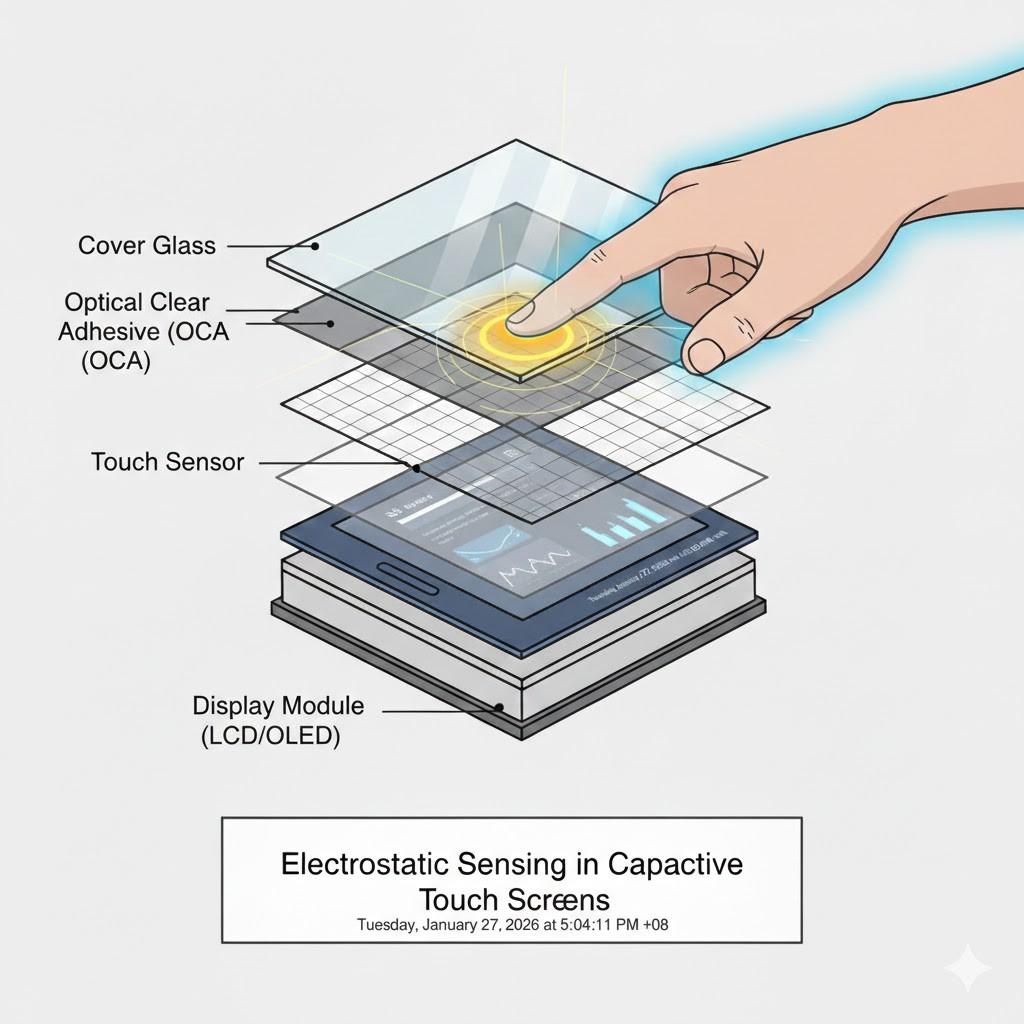

6. Important Design Factors When Selecting a Medical Touchscreen
Selecting a suitable capacitive touchscreen requires balancing touch performance, optical quality, mechanical structure, and long-term reliability.
The following factors are particularly important.
| Design Factor | Engineering Consideration | Impact on Medical Applications |
|---|---|---|
| Touch technology | Projected capacitive (PCAP) | Accurate and responsive interaction |
| Touch controller | Sensitivity, firmware, interface compatibility | Stable operation and glove support |
| Cover glass | Thickness, strength, dimensions | Protection and mechanical durability |
| Surface treatment | AG, AR, AF, antimicrobial options | Visibility, cleaning, and surface functionality |
| Bonding method | OCA or LOCA optical bonding | Optical clarity and reflection reduction |
| Display module | Brightness, resolution, viewing angle | Clear information presentation |
| Interface | I2C, USB, LVDS, MIPI, RGB, HDMI | System compatibility |
| Mechanical design | Mounting, bezel, sealing | Integration and environmental protection |
| EMI/EMC | Sensor design, grounding, shielding | Touch stability in electronic environments |
6.1 Cover Glass Thickness and Touch Sensitivity
Cover glass thickness influences both mechanical protection and capacitive touch performance.
Thicker glass may be necessary for applications requiring increased impact resistance, but it also increases the distance between the finger and the touch sensor.
This can affect touch sensitivity, especially when users wear gloves.
Therefore, cover glass thickness should be determined together with sensor design and controller tuning rather than selected independently.
6.2 Optical Bonding: OCA vs. LOCA
Optical bonding is another important consideration for medical touch display assemblies.
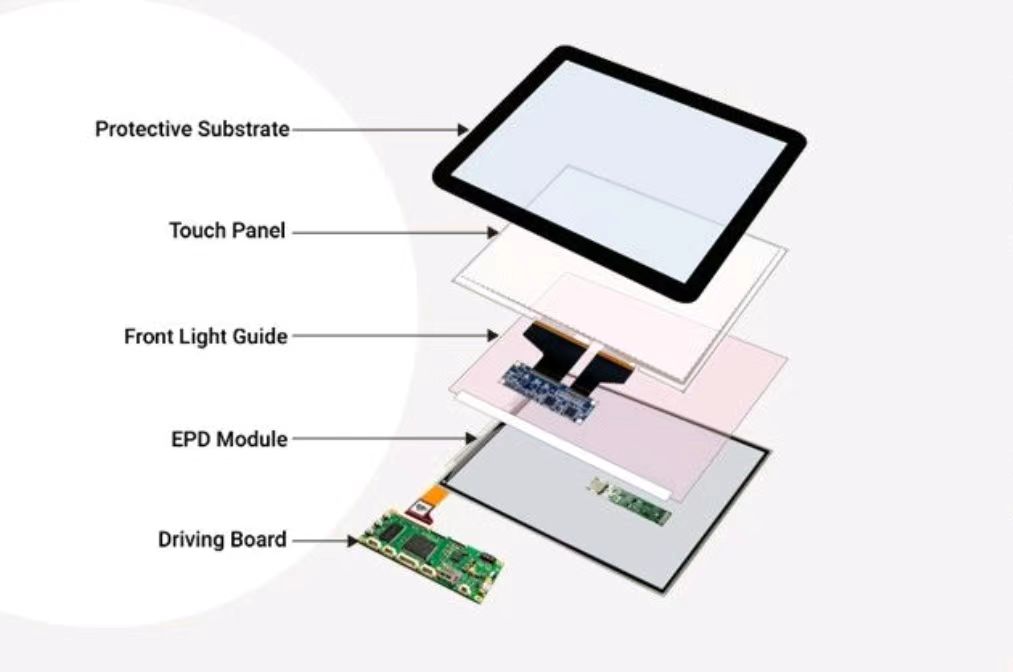
It reduces the air gap between the cover glass, touch panel, and LCD module.
Potential benefits include:
-
Reduced internal reflection.
-
Improved optical clarity.
-
Better visibility in bright environments.
-
Reduced dust and condensation risks within the bonded optical stack.
-
Improved structural integration.
OCA and LOCA are both used in touch display manufacturing. The appropriate method depends on display size, assembly structure, optical requirements, and production conditions.
6.3 Touch Controller and Interface Compatibility
The touch controller must be compatible with the host system and its operating environment.
Common touch interfaces include I2C and USB, while the LCD display may use RGB, LVDS, MIPI DSI, or HDMI depending on the module design.
Controller selection should consider:
-
Operating system compatibility.
-
Touch point requirements.
-
Glove operation.
-
Firmware customization.
-
EMI resistance.
-
Long-term component availability.
7. How to Evaluate a Capacitive Touchscreen for Medical Equipment
For medical device manufacturers, we recommend evaluating touchscreen solutions through real application scenarios rather than relying only on datasheets.
Step 1: Define the Operating Environment
Identify the actual working conditions, including:
-
Medical glove types and thickness.
-
Cleaning and disinfection procedures.
-
Ambient lighting conditions.
-
Expected operating temperature.
-
Frequency of daily operation.
-
Moisture and splash exposure.
Step 2: Test Real User Interaction
Simulate typical operations such as:
-
Alarm acknowledgement.
-
Parameter adjustment.
-
Menu navigation.
-
Data review and scrolling.
-
Multi-touch gestures where applicable.
Step 3: Evaluate the Optical and Mechanical Structure
Check cover glass thickness, surface finish, bonding quality, display brightness, enclosure design, and mechanical compatibility.
Step 4: Verify Electrical and System Integration
Confirm touch interfaces, display interfaces, controller compatibility, grounding, EMI/EMC performance, and software requirements.
Step 5: Review Manufacturing and Supply Capabilities
For long-term medical device projects, manufacturers should also consider component availability, production consistency, engineering documentation, customization capabilities, and technical support.
Medical Touchscreen Evaluation Checklist
| Evaluation Item | What to Verify |
|---|---|
| Glove operation | Reliable interaction with actual medical gloves |
| Cleaning simulation | Compatibility with intended cleaning agents |
| Optical performance | Readability under clinical lighting |
| Touch accuracy | Stable response during normal operation |
| Moisture resistance | Performance under expected splash conditions |
| EMI/EMC | Stability within the complete device |
| Mechanical integration | Fit with the housing and mounting structure |
| Supply stability | Component availability and production planning |
8. Why Capacitive Touchscreen Support Future Medical Device Development
Medical devices increasingly rely on software upgrades and evolving user interface requirements.
A touchscreen-based interface provides manufacturers with greater flexibility throughout the product lifecycle.
For example, software updates may allow manufacturers to:
-
Improve menu structures and operating workflows.
-
Introduce additional functions.
-
Update graphical elements and warning messages.
-
Support different languages.
-
Adapt the interface to new device configurations.
This reduces the need for physical button redesign whenever the user interface changes.
For equipment manufacturers planning multiple product generations, a well-designed capacitive touchscreen assembly can provide a practical foundation for future development.
9. DINGTouch: Customized Capacitive Touchscreen Solutions for Medical Equipment
At DINGTouch, we specialize in industrial and medical touch display solutions, supporting OEM and ODM customers with customized touchscreen and LCD assemblies.
Our capabilities cover the integration of:
-
Projected capacitive (PCAP) touchscreens.
-
TFT LCD display modules.
-
Customized cover glass.
-
OCA and LOCA optical bonding.
-
High-brightness display solutions.
-
Wide-temperature touch displays.
-
Glove-compatible touchscreen configurations.
-
Customized FPC, touch controllers, and interfaces.
-
AG, AR, AF, and other application-specific surface treatments.
We understand that different medical devices have different requirements.
A patient monitor may prioritize display clarity and touch responsiveness, while laboratory equipment may require reliable glove operation and compatibility with repeated cleaning procedures.
Our engineering approach focuses on evaluating the complete touch display assembly according to the customer's application, mechanical structure, electrical interfaces, and operating environment.
As a Shenzhen-based manufacturer with 15 years of industrial touch display customization experience, DINGTouch provides engineering support from initial project evaluation and component selection to sample development and production.
Our goal is to help medical equipment manufacturers develop touch display assemblies that balance usability, optical performance, integration requirements, and manufacturing practicality.
Visit www.szdingtouch.com to learn more about our customized capacitive touchscreen and medical touch display solutions.
10. Frequently Asked Questions About Capacitive Touchscreens in Healthcare
Q1. Why are capacitive touchscreens widely used in modern medical equipment?
Capacitive touchscreens provide responsive touch operation, multi-touch functionality, flexible graphical interfaces, and streamlined front-panel designs. These features make them suitable for many modern medical devices.
Q2. Can capacitive touchscreens work with medical gloves?
Yes. PCAP touchscreens can be configured for different glove applications through suitable sensor designs, controller selection, and sensitivity tuning. Actual performance should be verified using the intended glove materials and thicknesses.
Q3. Are capacitive touchscreens suitable for frequent cleaning and disinfection?
They can be designed for frequent cleaning when suitable cover glass, surface treatments, bonding materials, and enclosure structures are selected. Compatibility with specific disinfectants should be tested.
Q4. What is the benefit of optical bonding in medical touch displays?
Optical bonding reduces the air gap between optical layers, helping reduce reflections and improve display visibility. It can also reduce the risk of dust or condensation entering the bonded optical stack.
Q5. Can a medical touchscreen support antimicrobial cover glass?
Yes. Certain cover glass solutions can incorporate antimicrobial technologies or surface treatments. Their effectiveness and durability depend on the material and treatment, and they should not replace standard medical cleaning procedures.
Q6. Which touch interfaces are commonly used in medical equipment?
I2C and USB are commonly used for touch communication. Display interfaces may include RGB, LVDS, MIPI DSI, or HDMI, depending on the LCD module and host system.
Q7. What should manufacturers consider when selecting a medical capacitive touchscreen?
Key factors include glove compatibility, cover glass thickness, cleaning compatibility, optical bonding, display brightness, touch controller selection, EMI/EMC performance, mechanical integration, and long-term supply stability.
Q8. Does DINGTouch provide customized medical touch display solutions?
Yes. DINGTouch supports customized PCAP touchscreens, TFT LCD assemblies, cover glass, optical bonding, touch controllers, FPC designs, and interface configurations according to project requirements.
Conclusion
Capacitive touchscreen play an increasingly important role in modern healthcare by making medical device interfaces more intuitive, flexible, and adaptable.
From patient monitors and diagnostic instruments to laboratory analyzers and clinical workstations, PCAP technology helps manufacturers create streamlined interfaces that support modern clinical workflows.
However, successful medical touchscreen integration requires more than responsive touch functionality. Glove compatibility, cleaning requirements, optical performance, cover glass selection, bonding technology, EMI/EMC considerations, and system integration must all be evaluated during product development.
At DINGTouch, we combine capacitive touchscreen technology, LCD integration, customized cover glass, and optical bonding to support medical equipment manufacturers developing reliable and application-specific touch display solutions.
Looking for a customized capacitive touchscreen for your medical equipment project? Contact DINGTouch to discuss your display size, touch requirements, cover glass structure, and integration needs.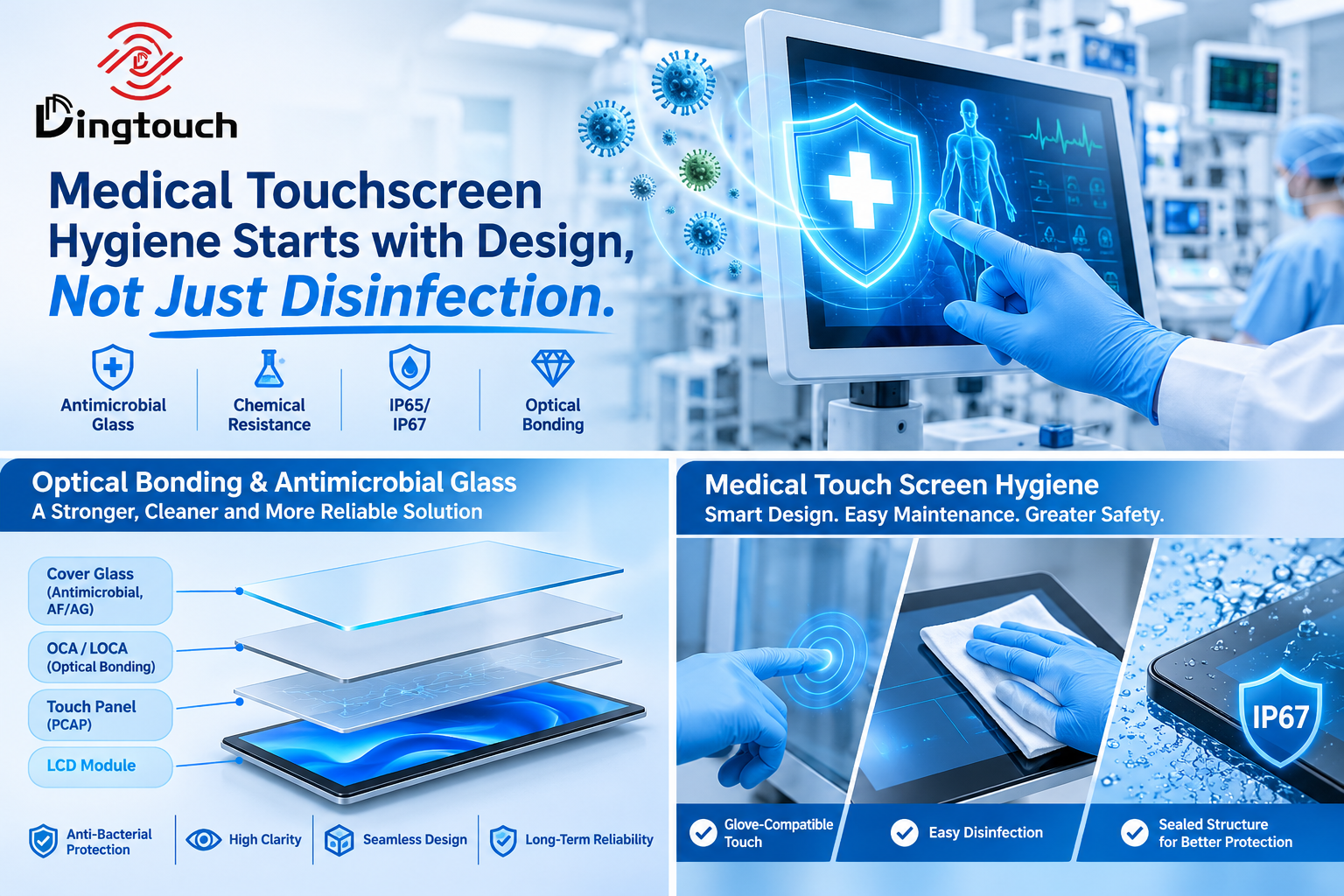




Ready to Build Your Outdoor Display Solution?
Get in touch with us at sales@szdingtouch.com. Our expert engineers will help you design a cost-effective, tailored solution to meet your project’s exact specifications.
DINGTouch:Committed to continuous innovation and improvement of product quality to meet customers' high requirements and expectations.
DINGTouch is a manufacturer that provides high quality touch screen panels. Focus on the design, manufacturing and sales of touch screen panels, and are committed to providing customized solutions that satisfy customers.
DINGTouch: In the process of customizing touch screen panels, we focus on close cooperation and communication with customers. Understanding customers' needs and providing customized solutions will meet customers' individual needs. The company's products are favored by customers for their high quality and reliability, and provide them with the best Touchscreen panel solutions.
At DINGTOUCH, we are the world's leading touchscreen manufacturer, helping businesses around the world take advantage of this exciting technology. For more information, please visit the home page now.

DINGTouch is a company specializing in the R&D and production of touch screen technology, headquartered in Shenzhen, China. As a professional touch screen supplier, DINGTouch is committed to providing high-quality, stable and reliable touch screen products to meet the diverse needs of customers. We continue to carry out technological innovation and product optimization to ensure that its touch screen products have good sensitivity, accuracy and durability.
In addition to the products themselves, we also focus on cooperation and communication with customers, and are committed to providing customized solutions and excellent after-sales services. Through continuous efforts to improve product quality and customer satisfaction, we have established a good reputation in the touchscreen industry and won widespread market recognition.
In addition to the products themselves, we also focus on cooperation and communication with customers, and are committed to providing customized solutions and excellent after-sales services. Through continuous efforts to improve product quality and customer satisfaction, we have established a good reputation in the touchscreen industry and won widespread market recognition.
What DINGTOUCH can do:
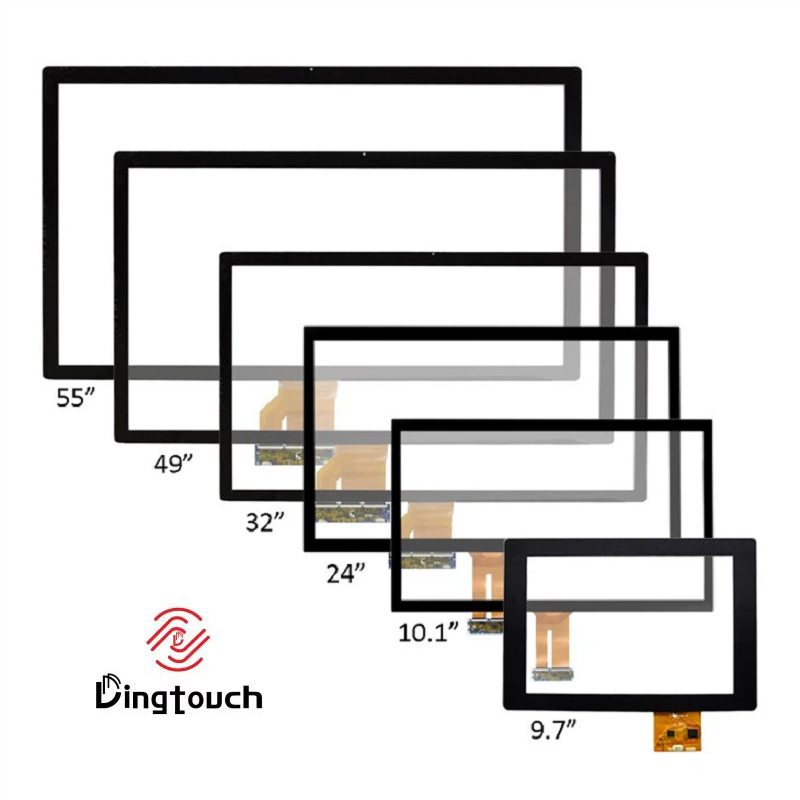
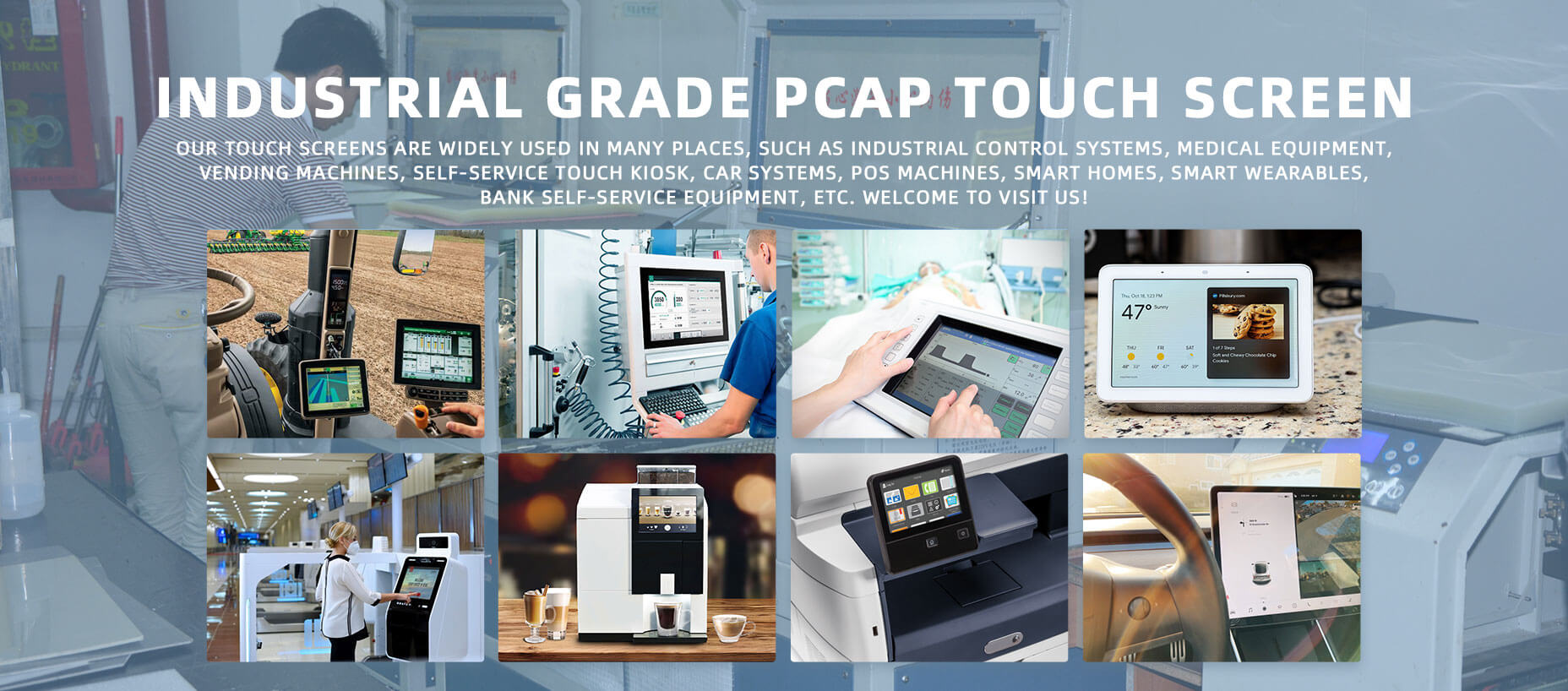
• PCAP maximum size 65”
• Multi-touch (Touch screen can be customized to your needs.)
• Optical bonding service/air bonding
• LCD interface: HDMI/RGB/MIPI/LVDS/EDP, etc.
• PCAP interface: IIC/USB interface
• CTP can customize the cover glass surface treatment process AG (anti-glare), AR (anti-reflection), AF (anti-fingerprint), waterproof, and glove touch
• Supports 0.55 mm-12 mm coverslip touch.
• Support operating temperature: -40℃-90℃.
CATEGORIES
CONTACT US
Contact: Dingtouch
Phone: +8615815536116
Tel: +8615815536116
Email: sales@szdingtouch.com
Add: Building A, Bailu Plaza, No. 48, Gonghe Industrial Road, Gongle Community, Xixiang Street, Baoan District, Shenzhen,China. 518126
 Dingtouch