News
How to Maintain Hygiene with Antimicrobial Medical Touch Screen
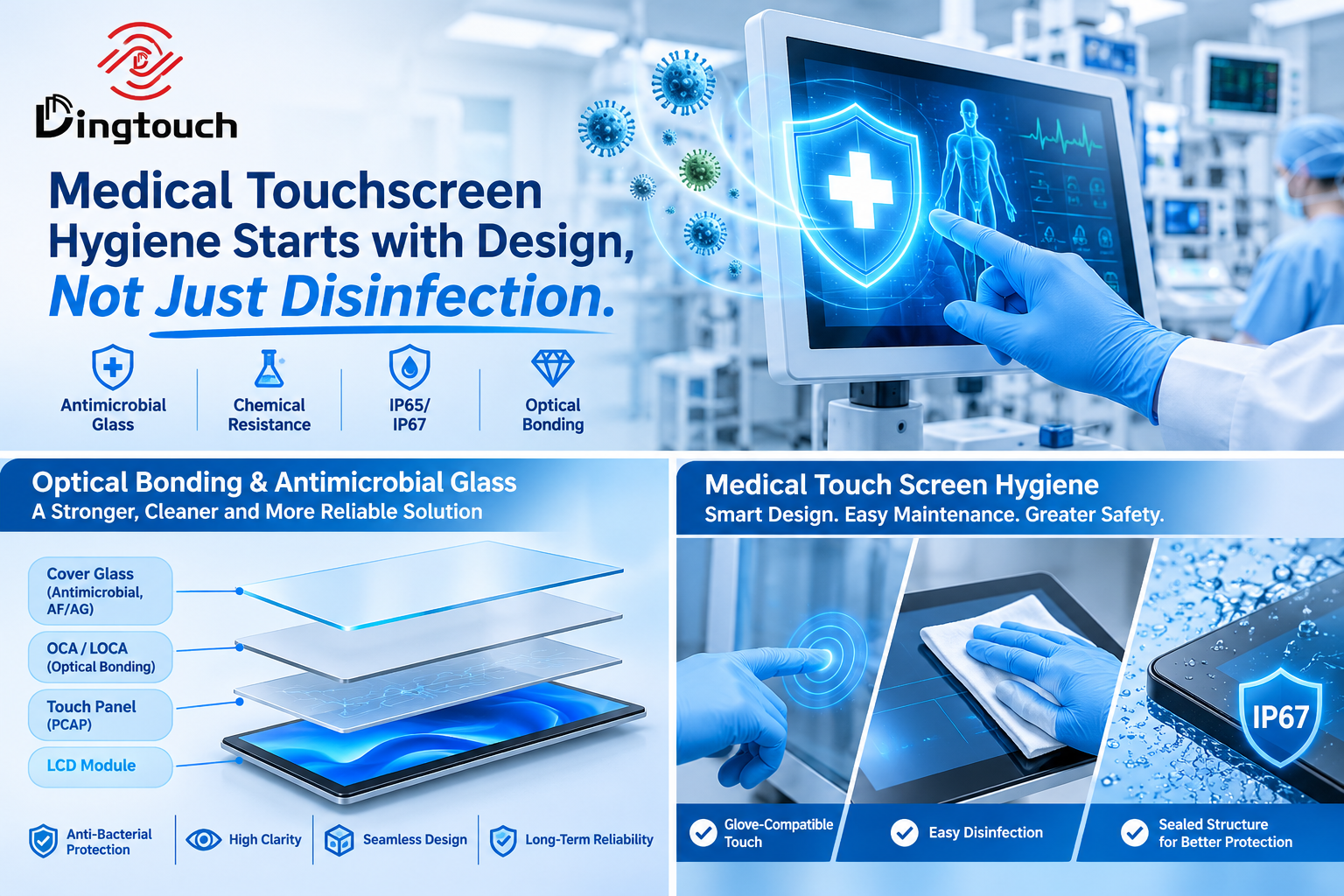 How to Maintain Hygiene with Antimicrobial Medical Touch Screen: Design, Disinfection and Material Selection
Why Medical Touch Screen Hygiene Matters
touchscreen have become an essential part of modern healthcare equipment. From patient monitors and infusion pumps to diagnostic systems, medical workstations, and bedside terminals, touch interfaces help healthcare professionals access patient information, control equipment, and manage clinical workflows more efficiently.
However, frequent contact creates an important hygiene challenge.
A medical touch screen may be operated by multiple healthcare professionals throughout the day, often in environments where infection prevention is critical. Without proper cleaning and material selection, frequently touched surfaces can contribute to cross-contamination.
Unlike ordinary consumer electronics, medical touch displays must withstand repeated disinfection while maintaining touch accuracy, optical performance, structural integrity, and long-term reliability.
This raises an important engineering question:
How can medical touch screens maintain effective hygiene without compromising display performance or equipment durability?
At DINGTouch, we believe effective hygiene starts with product design. Antimicrobial materials, sealed structures, chemical-resistant surfaces, optical bonding, and appropriate cleaning procedures should work together to create a reliable medical touch display solution.
This article explores the key technologies, design considerations, and maintenance practices that help medical equipment manufacturers develop more hygienic and durable touch interfaces.

1. Understanding Hygiene Risks in Medical Touch Displays
1.1 Why touchscreens Can Become Cross-Contamination Points
Medical touchscreens are high-contact surfaces. Nurses, doctors, technicians, and other healthcare professionals may interact with the same interface throughout a shift.
Potential contamination can come from:
-
Repeated contact with hands and medical gloves.
-
Accidental exposure to bodily fluids and other contaminants.
-
Inadequate cleaning between users.
-
Residual moisture and disinfectant buildup.
-
Dust and contamination accumulating around bezels, seams, and connectors.
According to infection prevention principles, frequently touched surfaces require appropriate cleaning and disinfection procedures.
Although most medical equipment touchscreens are classified as non-critical surfaces under the Spaulding classification system, this does not mean their hygiene requirements are unimportant.
For medical equipment manufacturers, surface design and material compatibility should be considered from the earliest development stage.
1.2 Common Structural Problems That Affect Hygiene
The physical construction of a touchscreen directly affects how easily it can be cleaned.
Raised Bezel and Edge Gaps
Traditional display structures may have raised frames or gaps between the cover glass and housing. These areas can accumulate dust, moisture, and contaminants, making routine cleaning more difficult.
Liquid Ingress
Repeated cleaning with disinfectant wipes may expose vulnerable interfaces and housing joints to moisture. If the display lacks sufficient sealing, liquid can enter the internal electronics and cause corrosion or electrical failure.
Surface Scratches and Material Degradation
Repeated wiping with unsuitable cleaning materials or chemicals can damage surface coatings and create visible scratches. Damaged surfaces may become more difficult to maintain.
Internal Condensation
In poorly designed display assemblies, temperature fluctuations can contribute to condensation inside an air gap. This may affect optical performance and long-term reliability.
The solution is not simply to clean more frequently. Medical touch displays should be engineered to minimize these vulnerabilities.
2. Antimicrobial Technology: How Does It Improve Medical touchscreen Hygiene?
Antimicrobial technology provides an additional layer of protection by helping inhibit microbial growth on treated surfaces.
However, it is important to understand that antimicrobial surfaces do not replace routine cleaning and disinfection.
2.1 Antibacterial vs. Antimicrobial Protection
The terms antibacterial and antimicrobial are often used interchangeably in product marketing, but they do not necessarily describe the same level of protection.
-
Antibacterial: Specifically targets bacteria.
-
Antimicrobial: A broader term that may include activity against bacteria, fungi, and other microorganisms, depending on the technology and validated testing.
For medical touch display applications, manufacturers should evaluate the actual antimicrobial spectrum, test methods, and effectiveness rather than relying solely on product descriptions.
2.2 Silver Ion Antimicrobial Technology
Silver ions are widely used in antimicrobial materials.
They can interfere with several biological processes in microorganisms, including cell membrane function and enzyme activity.
Depending on the manufacturing process, silver-based antimicrobial technology can be incorporated into glass or applied as a surface treatment.
Two common approaches include:
Antimicrobial Surface Coatings
Antimicrobial agents are incorporated into a coating applied to the glass surface.
The actual durability depends on coating composition, adhesion, thickness, and resistance to repeated cleaning.
Antimicrobial Glass
Antimicrobial agents are incorporated into the glass material or its functional surface during manufacturing.
This approach may offer better integration than a simple topical coating, but its long-term performance still needs to be validated under actual cleaning and usage conditions.
For medical equipment manufacturers, important evaluation criteria include antimicrobial test results, chemical resistance, optical transmittance, surface hardness, and coating durability.
2.3 Copper-Based Antimicrobial Materials
Copper and certain copper-containing materials also demonstrate antimicrobial properties.
They may be considered for selected medical equipment surfaces and structural components.
However, copper-based materials are not necessarily suitable for every touchscreen application. Optical clarity, electrical conductivity, surface appearance, and manufacturing compatibility must all be considered.
For transparent touch interfaces, silver-based or specially engineered antimicrobial glass technologies may be more practical, depending on the design requirements.
3. Optical Bonding: Eliminating Hidden Spaces in Medical Touch Displays
Antimicrobial materials are only one part of hygienic design. The internal structure of a medical touch display is equally important.
3.1 Why the Air Gap Can Become a Design Problem
A conventional display assembly may contain an air gap between the cover glass or touch panel and the LCD.
Although this structure is relatively simple to manufacture, it introduces several potential disadvantages:
-
Additional internal space for dust and moisture.
-
Potential condensation under changing environmental conditions.
-
Reduced optical clarity due to internal reflections.
-
Additional interfaces that require careful sealing.
These issues can become more significant in medical equipment that operates continuously or undergoes frequent cleaning.
3.2 How Full Optical Bonding Improves Hygiene
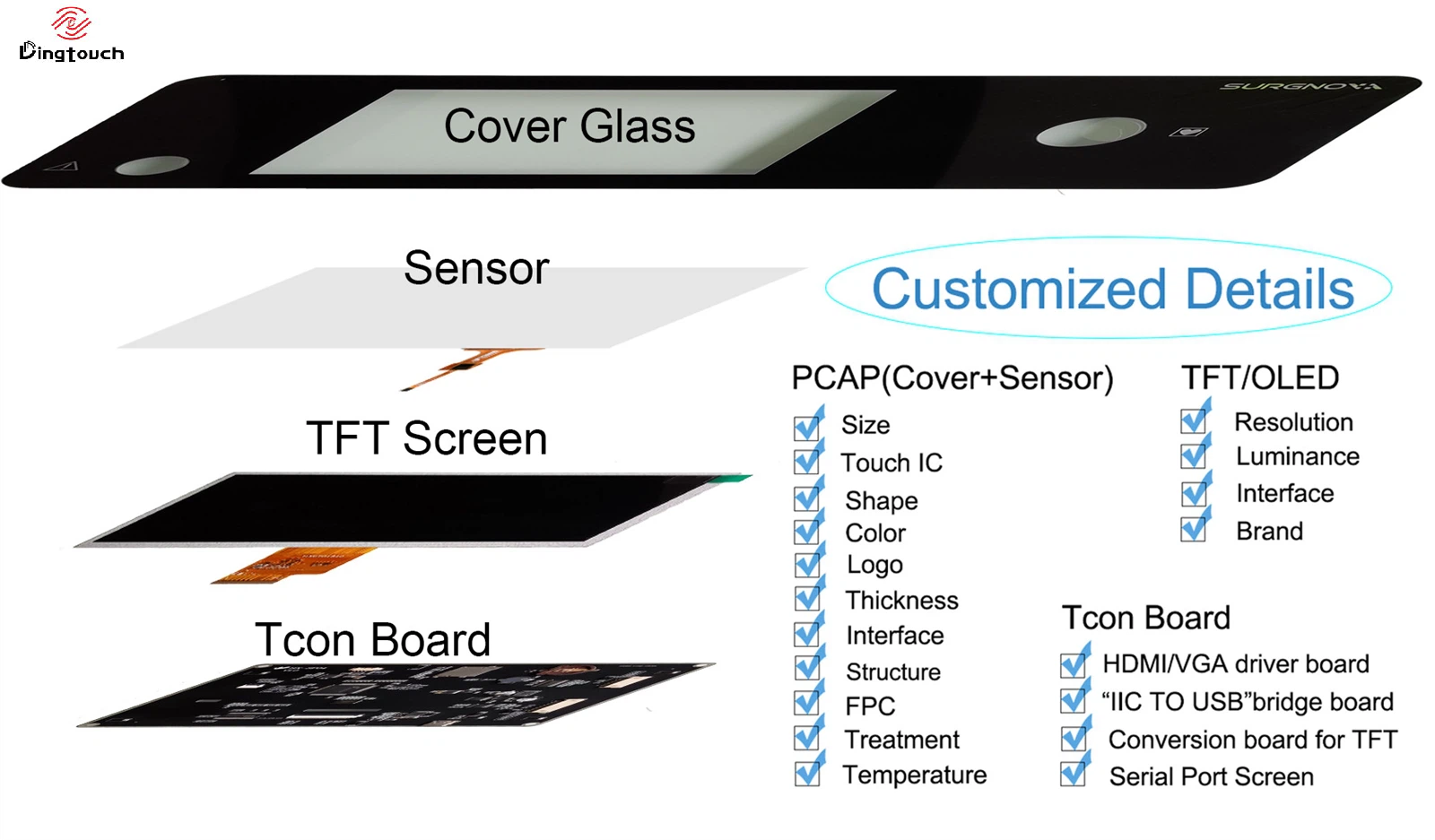
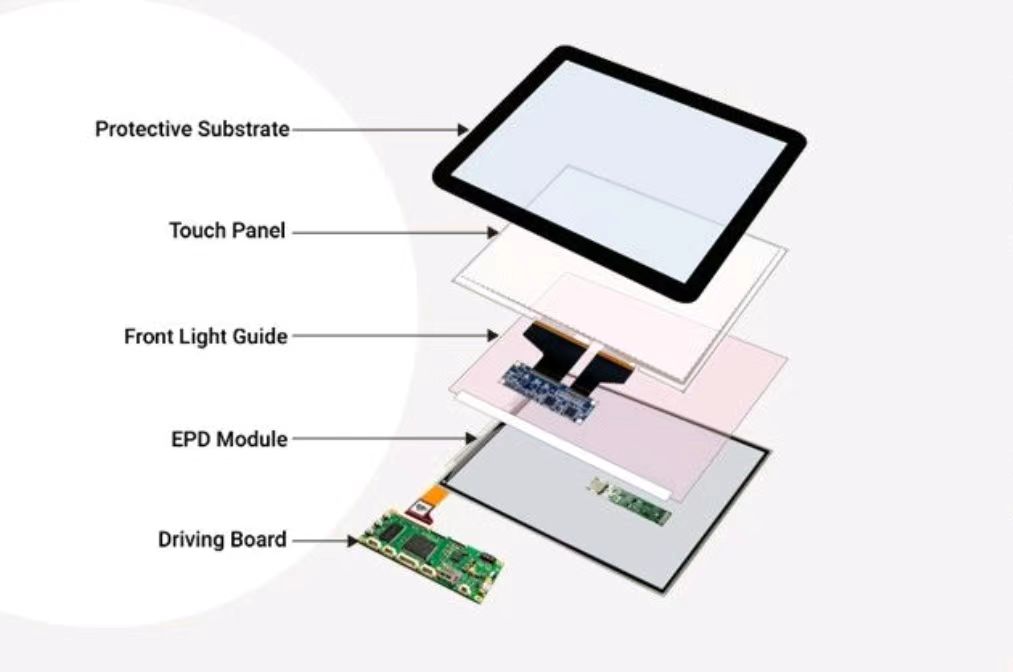
Optical bonding uses transparent optical adhesive to bond the cover glass or touch panel directly to the LCD module.
This eliminates the conventional air gap within the bonded display stack.
Key advantages include:
Reduced Internal Voids
Eliminating the air gap reduces the possibility of dust and moisture accumulating within the display assembly.
Improved Optical Performance
Full bonding reduces internal reflections and improves contrast and readability.
Enhanced Mechanical Stability
The bonded structure can improve resistance to vibration and mechanical stress, depending on the assembly design.
Better Environmental Reliability
A properly designed bonded assembly helps reduce internal condensation risks.
At DINGTouch, optical bonding can be integrated into customized medical touch display assemblies to meet specific requirements for optical clarity, structural reliability, and environmental protection.
It is important to distinguish between bonding the display stack and sealing the complete product enclosure. Optical bonding alone does not provide an IP rating. Housing design and sealing must be evaluated separately.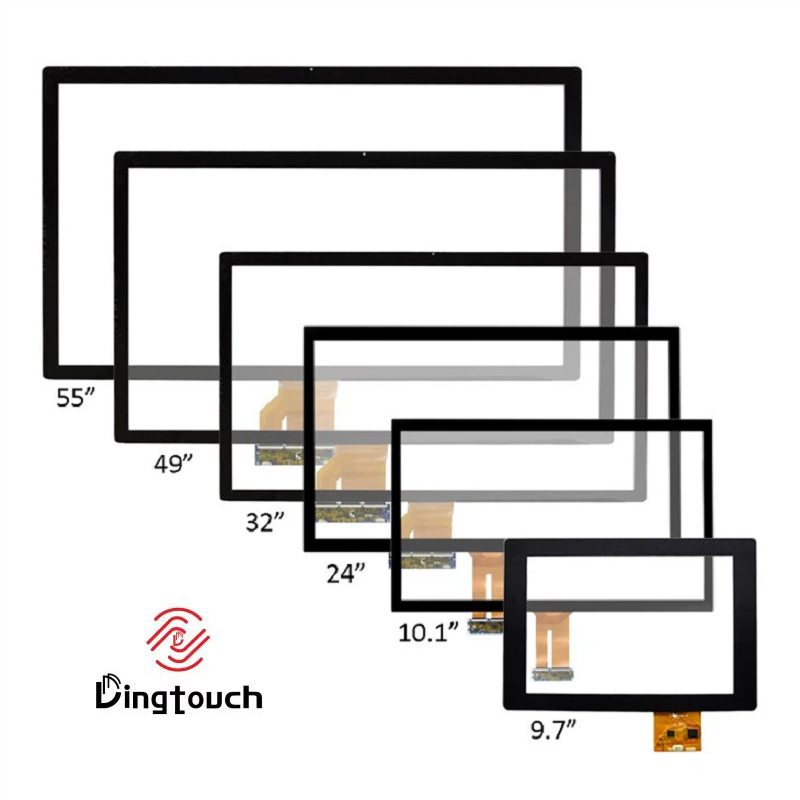
4. Selecting the Right Cover Glass for Medical touchscreen
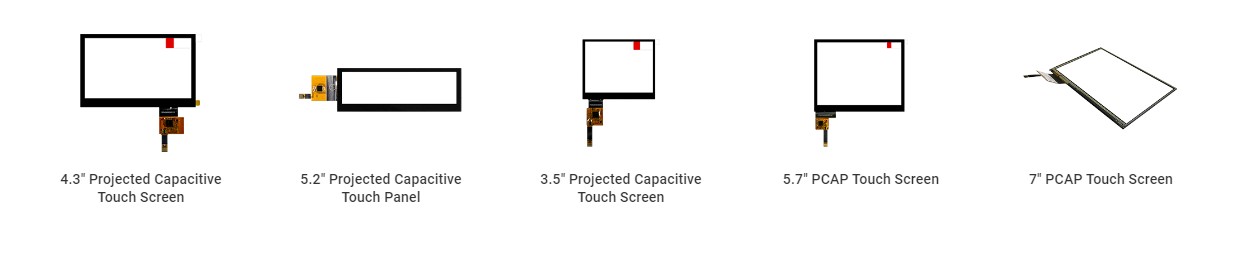
The cover glass is the primary contact surface between healthcare professionals and the display.
Its material, thickness, surface treatment, and edge design all influence hygiene and durability.
4.1 Chemically Strengthened Glass
Chemically strengthened glass is widely used in industrial and medical capacitive touchscreens.
An ion-exchange process creates a compressive stress layer near the glass surface, improving resistance to mechanical damage.
Its advantages include:
-
High surface hardness and scratch resistance.
-
Good optical transparency.
-
Compatibility with capacitive touch technology.
-
Availability in different thicknesses.
-
Suitability for customized cover glass designs.
For medical applications, glass thickness should be selected according to mechanical protection, touch sensitivity, and equipment structure.
4.2 Anti-Fingerprint (AF) and Anti-Glare (AG) Treatments
Surface treatments can improve the usability and maintenance of medical touchscreens.
Anti-Fingerprint (AF) Coating
AF coatings typically use hydrophobic and oleophobic properties to reduce the adhesion of fingerprints, skin oils, and other contaminants.
This makes the screen easier to wipe and maintain.
However, AF coatings should be tested for compatibility with the disinfectants used in the target medical environment.
Anti-Glare (AG) Treatment
AG treatment reduces reflected light and improves readability under certain lighting conditions.
This is particularly useful for medical equipment installed in brightly illuminated clinical environments.
The selection of AG treatment should consider image clarity, surface texture, and cleaning requirements.
4.3 Flat Cover Glass and Flush-Mounted Structures
A flat cover glass with a flush-mounted design can reduce the number of external gaps and raised edges.
Compared with traditional raised-bezel structures, this design is generally easier to wipe and maintain.
For OEM medical equipment projects, DINGTouch can customize cover glass dimensions, thickness, printing, edge treatment, surface coatings, and bonding structures according to the mechanical design.
5. IP65, IP67 and IP68: Choosing the Right Protection Level
Ingress Protection (IP) ratings are important when selecting medical touch displays for environments involving frequent liquid cleaning.
An IP rating consists of two digits:
-
The first digit indicates protection against solid particles.
-
The second digit indicates protection against water ingress.
Common protection levels include:
| Protection Rating | Protection Description | Potential Application |
|---|---|---|
| IP65 | Dust-tight and protected against water jets | Medical workstations and bedside terminals |
| IP67 | Dust-tight and protected against temporary immersion under specified test conditions | Selected portable medical equipment |
| IP68 | Dust-tight and protected against immersion under manufacturer-specified conditions | Specialized sealed equipment |
An important point: IP ratings do not automatically establish compatibility with alcohol, bleach, detergents, or other chemical disinfectants.
They also do not mean that every IP67 or IP68 device can be immersed in disinfectant solutions.
For medical equipment manufacturers, both ingress protection and chemical resistance must be verified independently.
5.1 Why Chemical Resistance Matters
Medical touch displays may be exposed repeatedly to:
-
70% isopropyl alcohol.
-
Hydrogen peroxide-based disinfectants.
-
Diluted sodium hypochlorite solutions.
-
Quaternary ammonium compounds.
-
Other hospital-approved disinfectants.
The actual compatibility depends on the glass, coatings, adhesives, housing materials, seals, and exposed interfaces.
DINGTouch recommends confirming the intended disinfectant list before finalizing the display structure.
This helps ensure that material selection and reliability testing reflect the actual operating environment.
6. How to Clean and Disinfect Medical Touch Screens Correctly
Even when a medical display uses antimicrobial glass and a sealed structure, routine cleaning remains essential.
A standardized cleaning procedure helps protect both users and equipment.
6.1 Follow the Manufacturer's Cleaning Instructions
Before cleaning, always check the manufacturer's Instructions for Use (IFU).
Different display materials and coatings may have different chemical compatibility requirements.
Do not assume that a disinfectant suitable for one medical display is automatically safe for another.
6.2 Recommended Cleaning Procedure
A general cleaning workflow includes:
Step 1: Disable Touch Input
If available, activate the screen-cleaning mode to prevent accidental input while wiping.
Step 2: Prepare a Suitable Cleaning Cloth
Use a clean, soft, lint-free microfiber cloth or an approved medical cleaning wipe.
Avoid abrasive materials and rough paper towels.
Step 3: Apply the Approved Disinfectant
If the manufacturer permits liquid disinfectants, apply the solution to the cloth rather than spraying directly onto the display.
Step 4: Wipe the Surface Carefully
Follow the disinfectant manufacturer's instructions regarding application, coverage, and wet contact time.
Pay particular attention to frequently touched areas and accessible edges.
Step 5: Allow the Surface to Dry
Follow the specified drying or rinsing instructions before returning the display to normal operation.
6.3 Cleaning Agents That Require Special Attention
Not every cleaning chemical is suitable for every touchscreen.
| Cleaning Agent | Important Considerations |
|---|---|
| 70% Isopropyl Alcohol (IPA) | Commonly used, but compatibility with coatings, adhesives, and plastics must be confirmed |
| Hydrogen Peroxide | Check concentration, contact time, and material compatibility |
| Diluted Bleach | Can be corrosive; use only when explicitly approved |
| Ammonia-Based Cleaners | May damage certain coatings and plastics |
| Acetone and Strong Solvents | Generally unsuitable for touchscreen assemblies |
The most important principle is simple:
Always use cleaning agents approved by the display manufacturer and follow the specified contact time and application procedure.
There is no universal disinfectant formula suitable for all medical touch displays.
7. Glove-Compatible Touch Technology for Medical Environments
Medical professionals frequently operate equipment while wearing latex, nitrile, or other protective gloves.
A conventional capacitive touchscreen may not respond reliably through thicker gloves because the insulating material reduces the capacitive coupling between the finger and sensor.
7.1 Projected Capacitive (PCAP) Technology
Projected capacitive touch technology is widely used in modern medical displays.
With suitable touch controller selection and firmware tuning, PCAP technology can support operation through different types of medical gloves.
Important design considerations include:
-
Glove thickness and material.
-
Touch sensitivity and signal thresholds.
-
Number of simultaneous touch points.
-
Water and moisture rejection.
-
Electromagnetic interference resistance.
-
Palm rejection and accidental-touch prevention.
7.2 Custom Touch Controller Configuration
Different medical applications require different touch performance.
For example:
-
Bedside terminals may require reliable operation with thin medical gloves.
-
Diagnostic equipment may require precise multi-touch input.
-
Medical devices used in wet environments may require enhanced water rejection.
-
Specialized equipment may need additional EMC optimization.
DINGTouch can evaluate PCAP sensor structures, controller selection, firmware parameters, cover glass thickness, and interface requirements to develop customized touch solutions.
The goal is to achieve reliable touch performance without compromising the hygiene and protection requirements of the complete device.
8. UV-C Disinfection and Material Compatibility
UV-C disinfection is increasingly used in healthcare environments for surface and room decontamination.
However, repeated UV-C exposure can accelerate the aging of certain electronic materials.
Potentially vulnerable components include:
-
Plastic housings.
-
Optical adhesives.
-
Surface coatings.
-
Flexible cables and exposed polymers.
-
Certain sealing materials.
Long-term exposure may cause discoloration, brittleness, reduced adhesion, or changes in optical performance.
For medical touch display projects involving UV-C cleaning, OEM manufacturers should evaluate UV resistance as part of material selection and reliability testing.
It is important to distinguish between UV-C room disinfection and direct UV-C exposure of a display. The actual risk depends on wavelength, intensity, exposure duration, distance, and material composition.
9. How to Select a Hygienic Medical Touch Display: A Practical Checklist
When developing medical equipment, selecting a touch display based only on screen size and resolution is not sufficient.
The following checklist can help engineers and procurement teams evaluate the complete solution.
| Design Parameter | What to Evaluate |
|---|---|
| Display Size | Application-specific dimensions and viewing area |
| Cover Glass | Chemically strengthened glass and customized thickness |
| Surface Treatment | AF, AG, AR, or antimicrobial technology where required |
| Touch Technology | PCAP with glove-compatible firmware |
| Optical Bonding | Full bonding to reduce internal air gaps |
| IP Protection | IP65, IP67, or IP68 according to actual requirements |
| Chemical Resistance | Compatibility with specified hospital disinfectants |
| Operating Temperature | Application-specific temperature range |
| EMC Performance | Resistance to electromagnetic interference |
| Mechanical Design | Flat surface, sealed edges, and accessible cleaning surfaces |
| UV Resistance | Compatibility with intended UV-C exposure conditions |
A well-designed medical touch display should integrate these requirements rather than treating each feature as an isolated specification.

10. DINGTouch: Customized Touch Display Solutions for Medical Equipment
Medical equipment manufacturers often face challenges that standard display modules cannot fully address.
Different devices may require different combinations of optical performance, touch sensitivity, mechanical protection, sealing, and chemical resistance.
As a manufacturer specializing in industrial and medical touch display solutions, DINGTouch provides customized display integration and engineering support for OEM and ODM projects.
Our capabilities include:
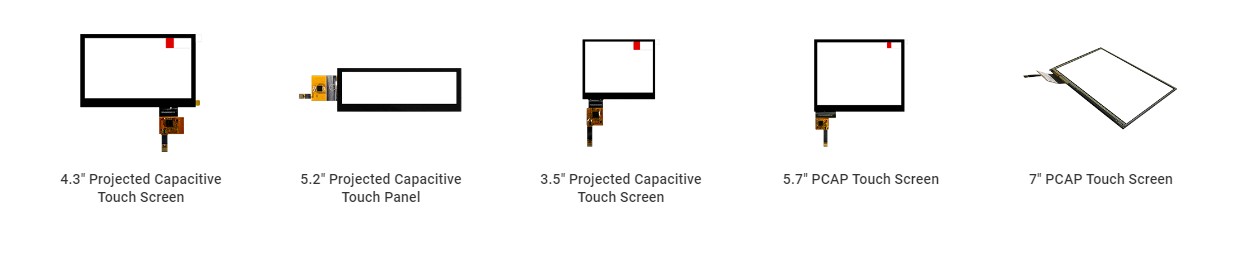
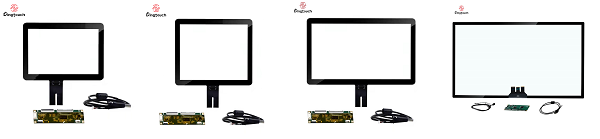
Customized Capacitive touchscreen
PCAP touch panels with customized sensor structures, cover glass dimensions, touch controllers, and glove-compatible firmware.
Medical-Grade Cover Glass Solutions
Customized cover glass with chemically strengthened materials, printing, surface treatments, and application-specific thickness options.
Optical Bonding and Display Integration
Full optical bonding between cover glass, touch panels, and LCD modules to improve readability and reduce internal air gaps.
Sealed Touch Display Structures
Customized mechanical structures designed to meet application-specific ingress protection requirements.
High-Brightness and Wide-Temperature Displays
Display solutions designed for medical equipment operating under different lighting and environmental conditions.
Application-Specific Engineering
Support for interface selection, FPC customization, touch controller tuning, EMC considerations, and mechanical integration.
From initial project evaluation to prototype development and production, DINGTouch works with customers to develop touch display assemblies that meet their technical and application requirements.
Conclusion: Hygiene Starts with Better touchscreen Engineering
Maintaining hygiene with antimicrobial medical touch screens requires more than applying an antibacterial coating or increasing the frequency of cleaning.
It requires a complete design strategy that combines antimicrobial materials, chemically compatible cover glass, optical bonding, sealed structures, reliable touch technology, and validated cleaning procedures.
For medical equipment manufacturers, these factors should be evaluated together during the early stages of product development.
A properly engineered medical touch display can make routine disinfection easier, reduce material degradation, improve long-term reliability, and support the infection prevention procedures of healthcare facilities.
At DINGTouch, we focus on developing customized medical and industrial touch display solutions that combine reliable touch performance, optical quality, and application-specific protection.
If you are developing medical equipment that requires antimicrobial glass, glove-compatible touchscreens, optical bonding, or customized IP-rated display assemblies, DINGTouch can support your project from design evaluation to prototype development.
Frequently Asked Questions (FAQ)
1. Do antimicrobial medical touch screen eliminate the need for regular disinfection?
No. Antimicrobial technology can help inhibit microbial growth on treated surfaces, but it does not replace routine cleaning and disinfection. Medical facilities must continue following their established infection prevention procedures.
2. What is the difference between antimicrobial coating and antimicrobial glass?
Antimicrobial coatings are applied to the surface and may gradually wear depending on their composition and cleaning conditions. Antimicrobial glass incorporates antimicrobial functionality into the glass material or its functional surface. Actual durability and effectiveness must be confirmed through testing.
3. Is IP65 sufficient for a medical touch display?
IP65 may be suitable for many medical workstations and bedside terminals that require dust protection and resistance to water jets. However, the appropriate rating depends on the cleaning method, exposure conditions, and complete equipment design.
4. Can 70% IPA be used to clean every medical touchscreen?
No. Although 70% IPA is commonly used in healthcare environments, its compatibility depends on the glass coatings, adhesives, plastics, seals, and other display materials. Always follow the manufacturer's approved cleaning instructions.
5. Can capacitive touchscreens work with medical gloves?
Yes. Properly designed PCAP touchscreen can detect input through many types of medical gloves. Performance depends on glove thickness, material, sensor design, controller selection, and firmware configuration.
6. Does optical bonding improve medical touchscreen hygiene?
Optical bonding eliminates the air gap between the bonded display layers, reducing potential internal spaces for dust and moisture accumulation. It also improves optical performance. However, it does not independently provide complete enclosure sealing or an IP rating.
7. Can medical touch displays withstand UV-C disinfection?
Some can, but UV-C compatibility must be verified for the complete assembly. Repeated exposure may degrade certain plastics, adhesives, and coatings. Manufacturers should evaluate the actual UV-C exposure conditions before selecting materials.
8. Can DINGTouch customize antimicrobial medical touch displays?
Yes. DINGTouch provides customized PCAP touchscreen, cover glass, optical bonding, LCD integration, and application-specific touch display solutions. Antimicrobial materials, chemical resistance, glove operation, and IP protection can be evaluated according to project requirements and validated specifications.




Ready to Build Your Outdoor Display Solution?
Get in touch with us at sales@szdingtouch.com. Our expert engineers will help you design a cost-effective, tailored solution to meet your project’s exact specifications.
DINGTouch:Committed to continuous innovation and improvement of product quality to meet customers' high requirements and expectations.
DINGTouch is a manufacturer that provides high quality touch screen panels. Focus on the design, manufacturing and sales of touch screen panels, and are committed to providing customized solutions that satisfy customers.
DINGTouch: In the process of customizing touch screen panels, we focus on close cooperation and communication with customers. Understanding customers' needs and providing customized solutions will meet customers' individual needs. The company's products are favored by customers for their high quality and reliability, and provide them with the best touchscreen panel solutions.
At DINGTOUCH, we are the world's leading touchscreen manufacturer, helping businesses around the world take advantage of this exciting technology. For more information, please visit the home page now.

DINGTouch is a company specializing in the R&D and production of touch screen technology, headquartered in Shenzhen, China. As a professional touch screen supplier, DINGTouch is committed to providing high-quality, stable and reliable touch screen products to meet the diverse needs of customers. We continue to carry out technological innovation and product optimization to ensure that its touch screen products have good sensitivity, accuracy and durability.
In addition to the products themselves, we also focus on cooperation and communication with customers, and are committed to providing customized solutions and excellent after-sales services. Through continuous efforts to improve product quality and customer satisfaction, we have established a good reputation in the touchscreen industry and won widespread market recognition.
In addition to the products themselves, we also focus on cooperation and communication with customers, and are committed to providing customized solutions and excellent after-sales services. Through continuous efforts to improve product quality and customer satisfaction, we have established a good reputation in the touchscreen industry and won widespread market recognition.
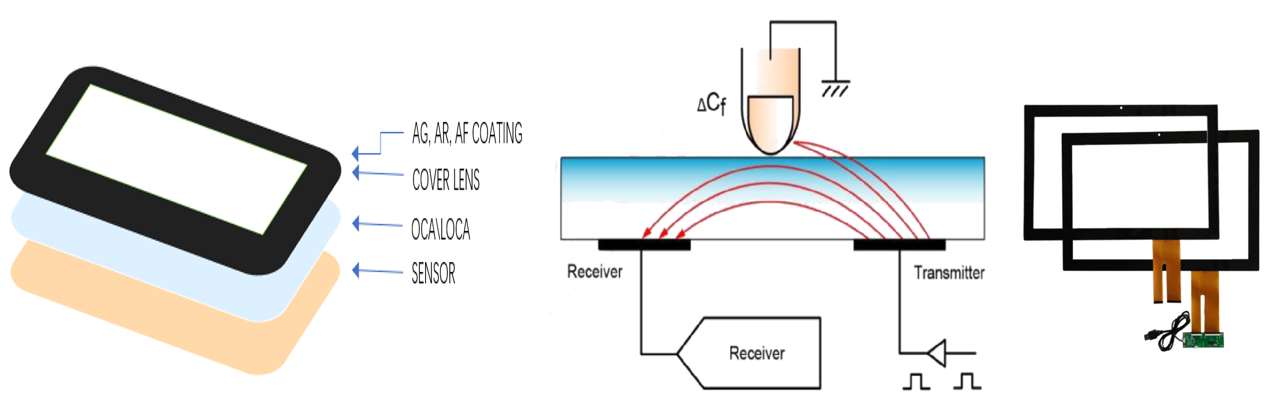
What DINGTOUCH can do:
• PCAP maximum size 65”
• Multi-touch (Touch screen can be customized to your needs.)
• Optical bonding service/air bonding
• LCD interface: HDMI/RGB/MIPI/LVDS/EDP, etc.
• PCAP interface: IIC/USB interface
• CTP can customize the cover glass surface treatment process AG (anti-glare), AR (anti-reflection), AF (anti-fingerprint), waterproof, and glove touch
• Supports 0.55 mm-12 mm coverslip touch.
• Support operating temperature: -40℃-90℃.
CATEGORIES
CONTACT US
Contact: Dingtouch
Phone: +8615815536116
Tel: +8615815536116
Email: sales@szdingtouch.com
Add: Building A, Bailu Plaza, No. 48, Gonghe Industrial Road, Gongle Community, Xixiang Street, Baoan District, Shenzhen,China. 518126
 Dingtouch