News
IP65 vs. IP67 Industrial Displays: How to Choose the Right Waterproof Enclosure for Your Application
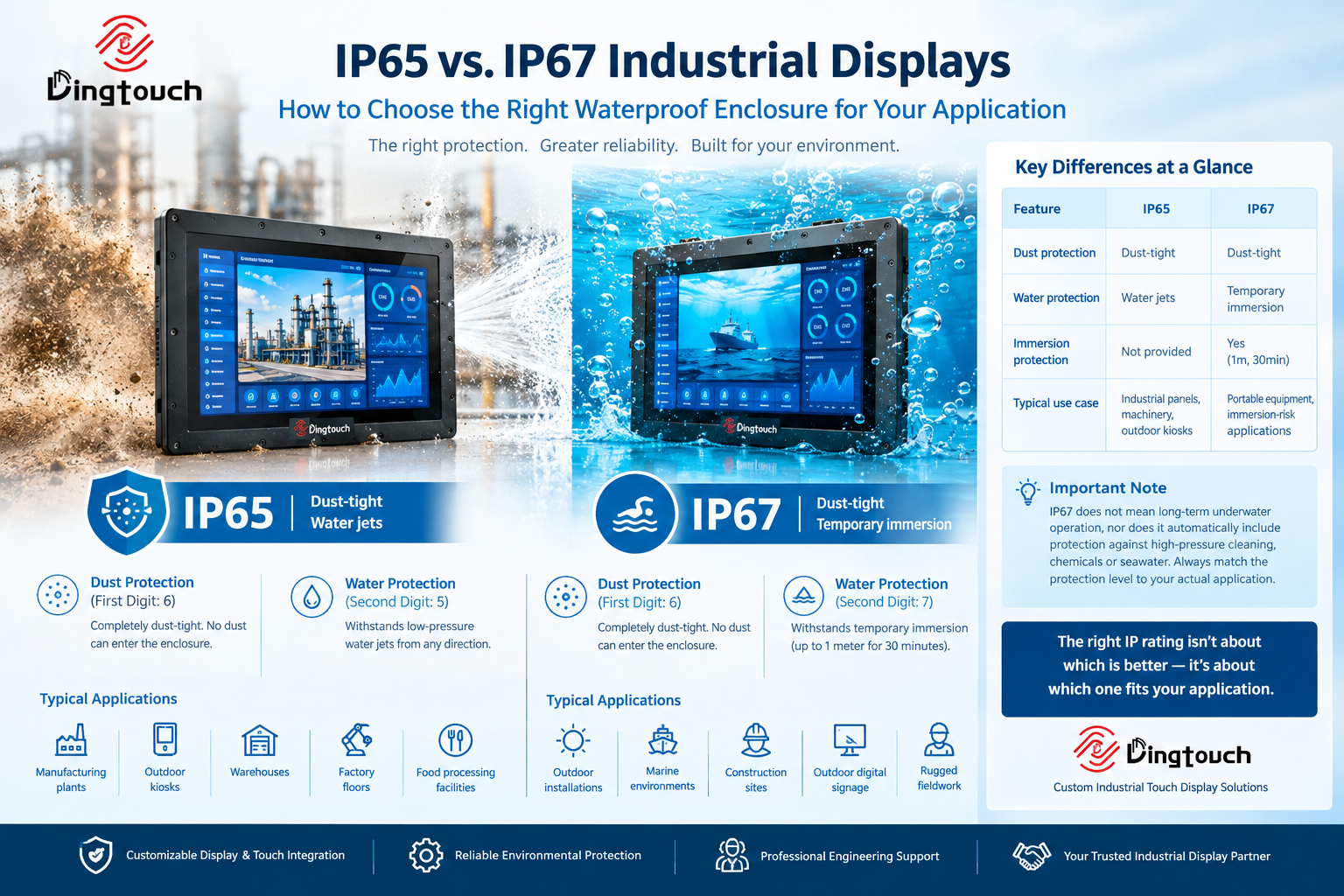 IP65 vs. IP67 Industrial Displays: How to Choose the Right Waterproof Enclosure for Your Application
Introduction: Does Your Industrial Display Really Need IP67 Protection?
When selecting an industrial touch display for demanding environments, enclosure protection is one of the most important factors to evaluate.
Industrial displays are widely used in factory automation, outdoor kiosks, medical equipment, transportation systems, marine applications, and other environments where dust, moisture, and water exposure can affect long-term reliability.
However, choosing a higher IP rating does not automatically mean choosing the best display solution.
For many OEM projects, an IP65-rated enclosure provides sufficient protection against dust and water jets. For applications where temporary immersion is a foreseeable risk, an IP67-rated enclosure may be more appropriate.
The real question is not simply whether IP67 is better than IP65. It is whether the enclosure's tested protection level matches the actual operating conditions of your equipment.
In this guide, DINGTouch explains the differences between IP65 and IP67 industrial displays, their practical applications, and the key considerations for selecting a reliable enclosure for your next industrial touch display project.
1. What Does an IP Rating Mean for Industrial Displays?
IP stands for Ingress Protection. The IP rating system, defined in IEC 60529, classifies the degree of protection provided by an enclosure against the ingress of solid objects and water.
An IP rating consists of two digits:
-
First digit – Protection against solid objects: Indicates the level of protection against dust and other solid particles.
-
Second digit – Protection against water: Indicates the level of protection against water ingress under specified test conditions.
For example, IP65 and IP67 share the same first digit, meaning both provide a dust-tight enclosure. Their main difference lies in the second digit, which defines different water protection capabilities.
It is important to understand that an IP rating applies to the tested enclosure configuration. The display module, cover glass, touch panel, mounting structure, connectors, cable interfaces, and sealing components may all influence the protection level of the final assembly.
For OEM applications, the protection rating of the complete installed display assembly is more meaningful than the rating of an individual component.
2. IP65 Industrial Displays: Reliable Protection Against Dust and Water Jets
2.1 What Does IP65 Mean?
An IP65-rated enclosure provides:
-
IP6X: Complete protection against dust ingress under the applicable test conditions.
-
IPX5: Protection against water jets projected from a nozzle against the enclosure.
IP65 is a practical choice for industrial equipment that must operate in dusty environments and withstand water splashes, rain, or routine water-jet exposure within the applicable test conditions.
However, IP65 does not mean that the display can withstand immersion in water. It also does not automatically establish suitability for high-pressure cleaning, hot water, detergents, or aggressive chemical washing.
These conditions require additional evaluation.
2.2 Typical Applications for IP65 Industrial Touch Displays
IP65 protection is commonly considered for:
-
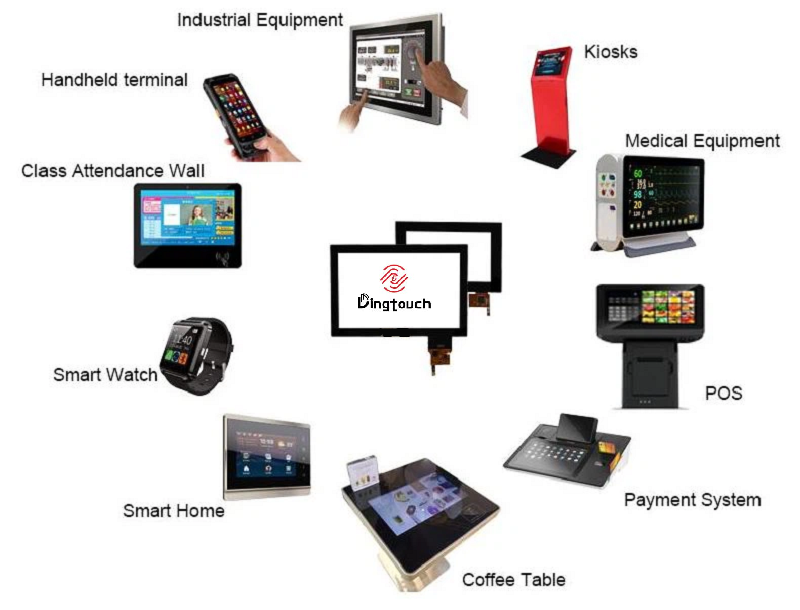
Factory automation control panels
-
Industrial HMI systems
-
Outdoor kiosks and information terminals
-
Warehouse equipment
-
Manufacturing machinery
-
Industrial monitoring and control systems
For example, an industrial HMI installed on a production line may need to resist dust accumulation and occasional water splashes during equipment cleaning.
If the display is installed in a properly designed enclosure and is not expected to be submerged, IP65 may offer a suitable balance between protection, integration complexity, and project cost.
2.3 Why IP65 Can Be the More Practical OEM Choice
For many industrial projects, the enclosure does not need to withstand temporary immersion.
Selecting IP65 when it matches the actual application can help avoid unnecessary sealing complexity and additional mechanical design requirements.
The key is to define the real exposure conditions before specifying the protection rating.
3. IP67 Industrial Displays: Protection Against Temporary Water Immersion
3.1 What Does IP67 Mean?
An IP67-rated enclosure provides:
-
IP6X: Complete dust-tight protection under the applicable test conditions.
-
IPX7: Protection against temporary immersion in water under specified test conditions.
For the standard IPX7 test, the enclosure is immersed in water under defined conditions. The commonly referenced test conditions include immersion at a depth of 1 meter for 30 minutes, subject to the applicable enclosure dimensions and standard requirements.
IP67 therefore provides a different type of water protection from IP65.
It is designed to address temporary immersion rather than water jets.
An IP67 rating should not be interpreted as unlimited waterproofing. It does not automatically guarantee protection against prolonged immersion, high-pressure water jets, seawater corrosion, cleaning chemicals, or repeated immersion beyond the tested conditions.
3.2 Typical Applications for IP67 Industrial Touch Displays
IP67 protection may be appropriate for:
-
Portable industrial control equipment
-
Outdoor terminals exposed to temporary flooding
-
Field inspection devices
-
Equipment installed in areas where accidental immersion is possible
-
Industrial systems requiring temporary immersion protection
For example, a portable control terminal used in a wet working environment may require an enclosure that can withstand accidental immersion during operation or transportation.
In this case, IP67 may provide a more appropriate protection level than IP65.
3.3 What Should OEM Buyers Confirm?
Before selecting an IP67 industrial touch display, buyers should clarify:
-
Is the display assembly tested as a complete unit?
-
Are the connectors and cable interfaces included in the tested configuration?
-
Is the rating valid when the display is installed in the customer's housing?
-
Does the application involve repeated immersion or exposure to chemicals?
-
Are additional requirements such as impact resistance, temperature cycling, or UV resistance necessary?
A display's IP rating is only one part of its environmental reliability. The mechanical structure and installation method must also match the intended application.
4. IP65 vs. IP67: Key Differences for Industrial Display Projects
| Evaluation | IP65 | IP67 |
|---|---|---|
| Dust protection | Dust-tight | Dust-tight |
| Water protection | Water jets | Temporary immersion |
| Immersion protection | Not established by IP65 | Tested under IPX7 conditions |
| Typical application | Industrial panels, machinery, outdoor kiosks | Portable equipment, immersion-risk applications |
| OEM selection priority | Water-jet exposure | Temporary immersion exposure |
4.1 Water Protection: Water Jets vs. Temporary Immersion
The most important difference between IP65 and IP67 is the type of water exposure they address.
IP65 is suitable for applications where the enclosure may be exposed to water jets under the applicable test conditions.
IP67 is suitable for applications where temporary immersion is a foreseeable risk.
Neither rating should be treated as universally superior. The appropriate choice depends on whether the equipment is exposed to water jets, immersion, or a combination of both.
Important: If an industrial display must withstand both water jets and temporary immersion, an IP67 rating alone does not establish that it meets IP65 requirements. Depending on the applicable standard and certification, an enclosure designed and tested for both conditions may need an IP65/IP67 rating or separate evidence of compliance with both tests.
4.2 Dust Protection: Both Ratings Provide the Same Level
Both IP65 and IP67 include the first digit 6.
This indicates dust-tight protection under the relevant test conditions.
If dust is the primary environmental concern, there is no difference in dust protection between these two ratings.
The decision should therefore focus on the expected type of water exposure and the other environmental requirements of the project.
4.3 Cost and Design Considerations
An IP67 enclosure may require additional mechanical design work, sealing measures, and testing, depending on the product architecture.
Potential considerations include:
-
Enclosure structure and sealing surfaces
-
Connector and cable sealing
-
Cover glass and touch panel integration
-
Mounting methods
-
Assembly tolerances
-
Production inspection and verification
However, IP67 is not automatically more expensive than IP65 in every project. Actual costs depend on the design, materials, production volume, and required testing.
For OEM projects, the most cost-effective solution is the one that meets the application requirements without adding unnecessary protection or sacrificing reliability.
5. How to Choose the Right IP Rating for Your Industry
5.1 Factory Automation and Industrial HMI
For factory automation systems, the required protection level depends on the installation location.
An HMI installed inside a control cabinet may not require the same protection as a display mounted directly on a machine exposed to water jets.
For equipment exposed to dust and occasional water splashes, IP65 may be a suitable starting point.
If the equipment may be temporarily submerged, IP67 should be evaluated.
5.2 Outdoor Kiosks and Digital Signage
Outdoor displays must deal with more than rain.
The project may also require evaluation of:
-
Direct sunlight and high brightness
-
Temperature fluctuations
-
UV exposure
-
Condensation
-
Wind-driven rain
-
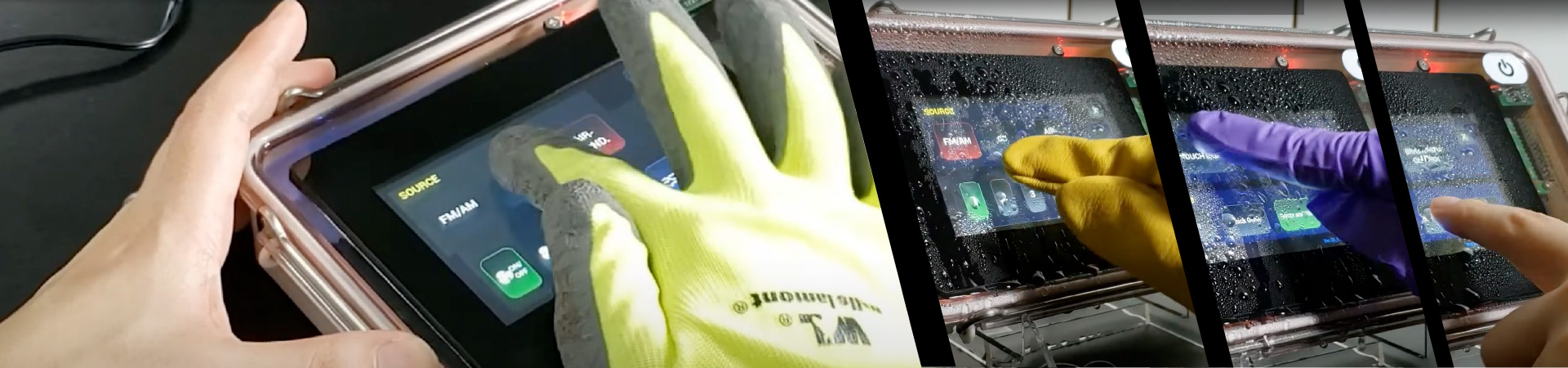
Touch operation with wet fingers or gloves
-
Connector protection and mounting seals
IP65 may be suitable for many outdoor installations, provided the enclosure and installation have been validated for the actual exposure.
IP67 may be appropriate where temporary immersion is an identified risk.
5.3 Marine and Wet Industrial Environments
Marine and wet industrial applications require careful evaluation of the surrounding environment.
Saltwater, salt spray, cleaning chemicals, and prolonged moisture can create corrosion risks that are not covered by an IP67 water-immersion rating alone.
For these projects, enclosure protection should be considered together with material selection, corrosion resistance, connector design, and environmental testing.
5.4 Food Processing and Equipment Cleaning
Food processing equipment may be exposed to frequent cleaning.
The cleaning method matters more than the general description of a wet environment.
A display exposed to low-pressure water jets may be suitable for an IP65 solution, depending on the test conditions.
Equipment exposed to high-pressure or high-temperature washdown, steam, detergents, or disinfectants may require additional protection beyond the IP65 or IP67 rating.
Always confirm the cleaning pressure, water temperature, chemical exposure, and required cleaning frequency before finalizing the enclosure design.
6. DINGTouch Industrial Touch Display Solutions: Beyond the IP Rating
Selecting an industrial display is not only about choosing between IP65 and IP67.
The complete solution must also meet the project's display, touch, mechanical, and environmental requirements.
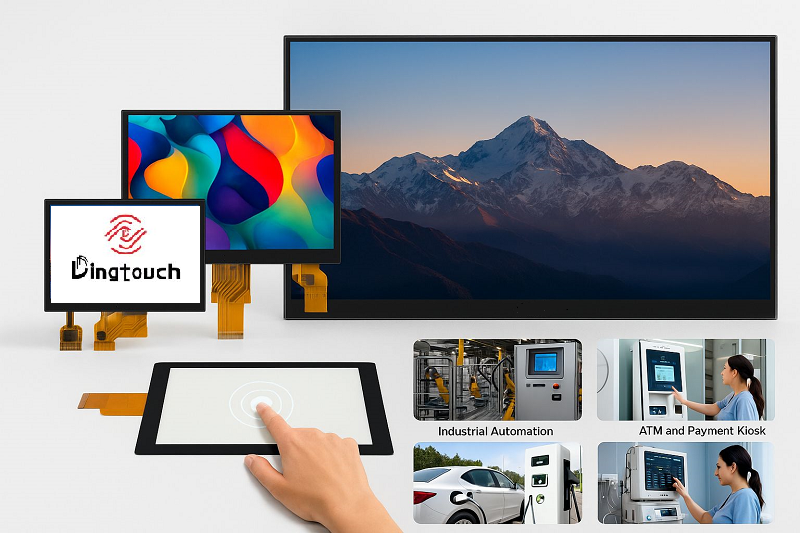
DINGTouch supports OEM and ODM industrial touch display projects, including customized display and touch integration for industrial equipment, outdoor terminals, medical devices, and other specialized applications.
Depending on project requirements, our engineering team can evaluate:
6.1 Display and Touch Integration
-
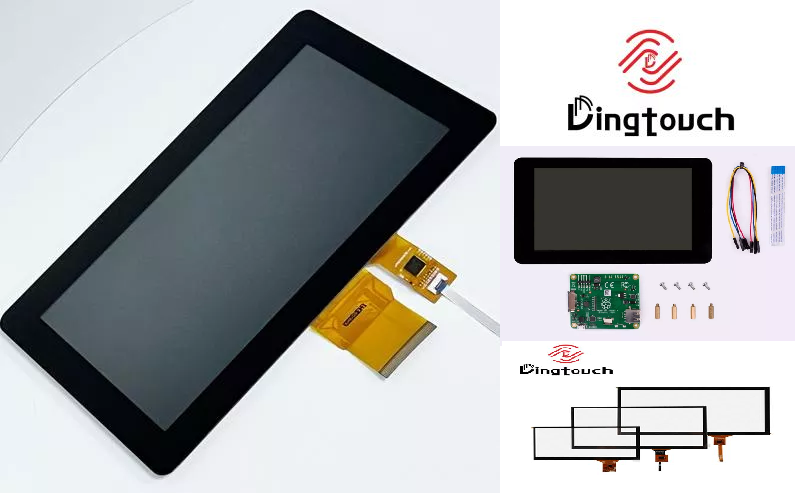
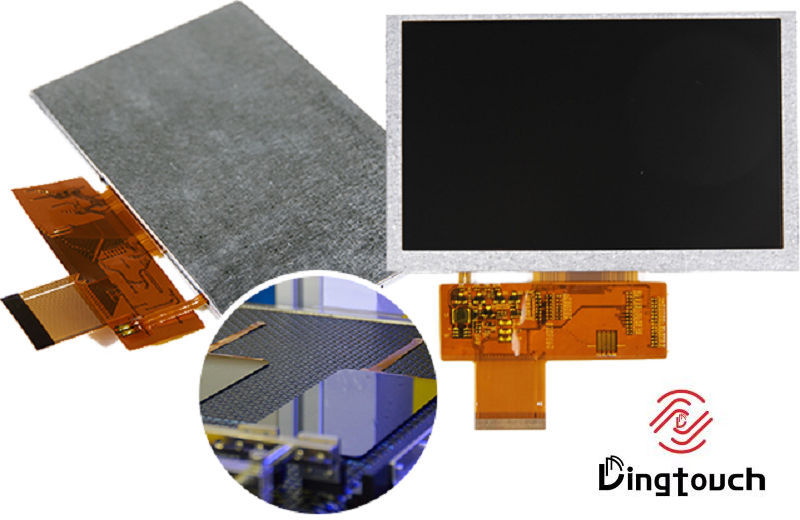
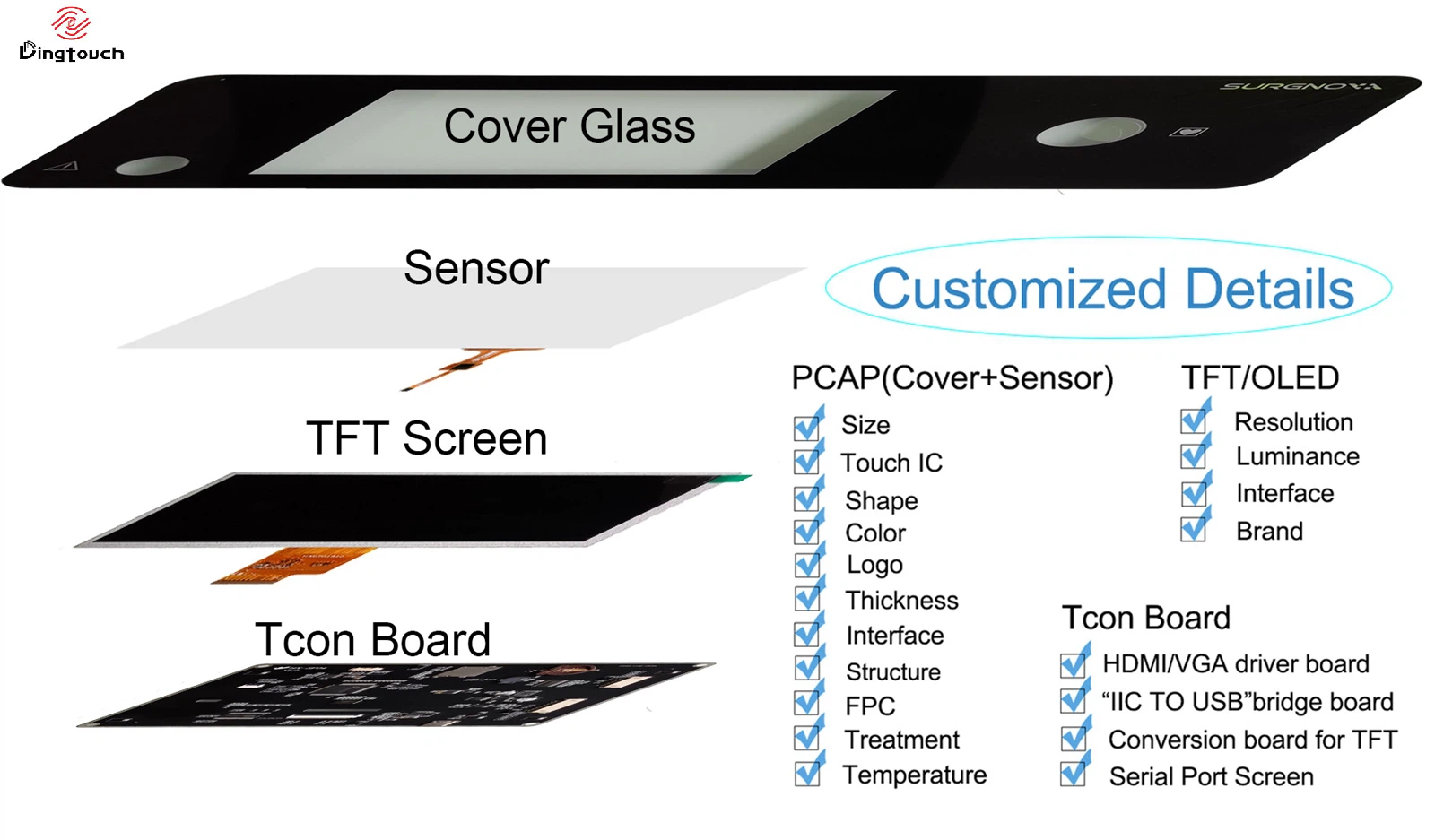
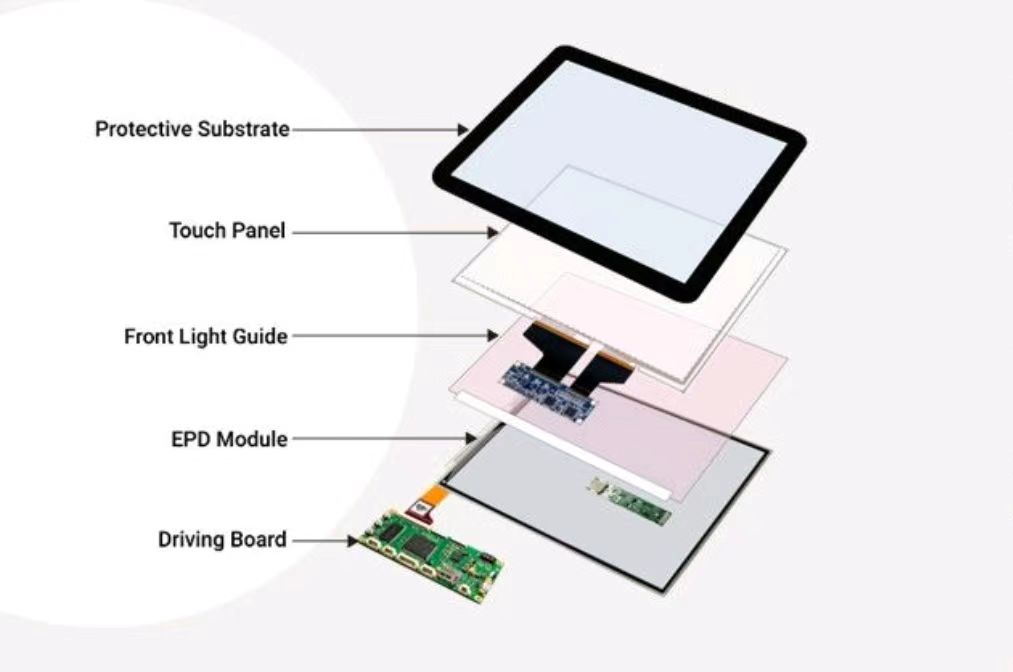
Industrial TFT LCD modules and capacitive touch panels
-
G+G and other customized touch structures
-
Optical bonding and full-lamination solutions
-
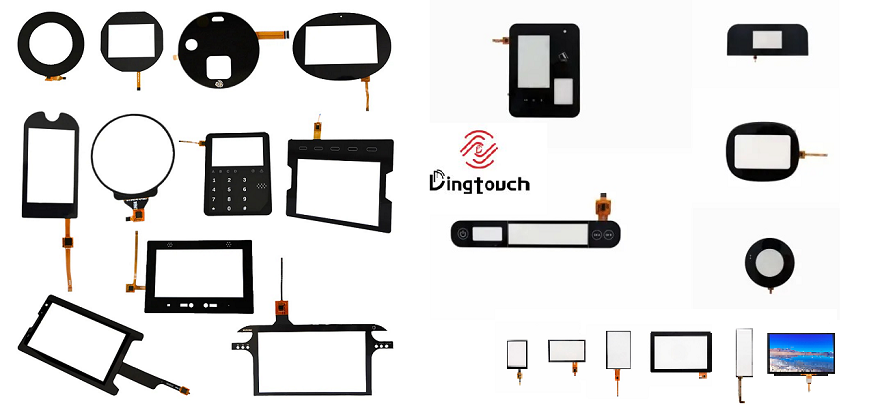
Customized cover glass dimensions, thickness, and shape
-
Touch controller and interface compatibility
6.2 Environmental and Mechanical Requirements
-
IP65 or IP67 enclosure design evaluation
-
Waterproof sealing and connector integration
-
High-brightness display options
-
Wide-temperature display and touch solutions
-
Cover glass and touch performance optimization
The actual protection level, operating temperature, brightness, and other performance specifications depend on the final product configuration and validation.
6.3 Project-Based Engineering Support
For industrial OEM projects, DINGTouch can help evaluate the application requirements before selecting a display solution.
A useful project specification should include:
-
Display size and resolution
-
Brightness and viewing requirements
-
Touch interface and operating conditions
-
Required IP rating
-
Water exposure type and duration
-
Operating temperature
-
Mechanical mounting and connector requirements
By defining these parameters early, the engineering team can identify the appropriate standard display or customized solution and reduce unnecessary redesign during product development.
7. Conclusion: Choose the Protection Level That Matches the Application
IP65 and IP67 both provide dust-tight protection, but their water protection requirements are different.
IP65 is designed for water-jet exposure under specified test conditions.
IP67 is designed for temporary immersion under specified test conditions.
For industrial display projects, the right choice depends on the actual environment, installation method, cleaning process, and expected water exposure.
If temporary immersion is not part of the application, IP65 may be sufficient.
If accidental immersion is a foreseeable risk, IP67 should be evaluated.
If the equipment must withstand both water jets and immersion, confirm that the complete enclosure has been tested for both conditions.
At DINGTouch, we focus on customized industrial touch display solutions that combine display performance, touch functionality, and mechanical integration.
Whether your project requires an IP65 industrial HMI, an IP67 portable display, or a customized touch display enclosure, our engineering team can help evaluate the technical requirements and identify a suitable solution for your application.
Contact DINGTouch to discuss your industrial touch display project.
Frequently Asked Questions
Q1: What is the main difference between IP65 and IP67?
Both ratings provide dust-tight protection. IP65 protects against water jets under specified test conditions, while IP67 provides protection against temporary immersion in water under specified test conditions.
Q2: Is IP67 always better than IP65 for outdoor industrial displays?
No. IP67 is designed for temporary immersion, but it does not automatically establish protection against water jets. IP65 may be sufficient for many outdoor installations where immersion is not expected.
Q3: Can an IP65 industrial display be used outdoors?
Yes, an IP65-rated display enclosure may be suitable for outdoor applications exposed to rain or water jets, provided the complete installation is validated for the actual environmental conditions.
Q4: Can an IP67 display remain underwater for a long time?
No. IP67 refers to temporary immersion under specified test conditions. It does not establish protection for prolonged or continuous underwater operation.
Q5: Does IP67 protect an industrial display against seawater or chemicals?
Not automatically. IP67 water-immersion testing does not establish corrosion resistance against seawater, detergents, or other chemicals. Additional material selection and environmental testing may be required.
Q6: If my industrial display requires both water-jet protection and immersion protection, which rating should I choose?
You should confirm that the complete enclosure has been evaluated for both IPX5 and IPX7 requirements. An IP67 rating alone does not prove compliance with IP65 water-jet protection.
Q7: Can DINGTouch customize an IP65 or IP67 industrial touch display?
DINGTouch supports customized industrial touch display projects, including display and touch integration, cover glass customization, optical bonding, and enclosure design evaluation. The achievable IP rating depends on the final mechanical structure, connectors, mounting method, and verification of the complete assembly.
Ready to Build Your Outdoor Display Solution?
Get in touch with us at sales@szdingtouch.com. Our expert engineers will help you design a cost-effective, tailored solution to meet your project’s exact specifications.
DINGTouch:Committed to continuous innovation and improvement of product quality to meet customers' high requirements and expectations.
DINGTouch is a manufacturer that provides high quality touch screen panels. Focus on the design, manufacturing and sales of touch screen panels, and are committed to providing customized solutions that satisfy customers.
DINGTouch: In the process of customizing touch screen panels, we focus on close cooperation and communication with customers. Understanding customers' needs and providing customized solutions will meet customers' individual needs. The company's products are favored by customers for their high quality and reliability, and provide them with the best touchscreen panel solutions.
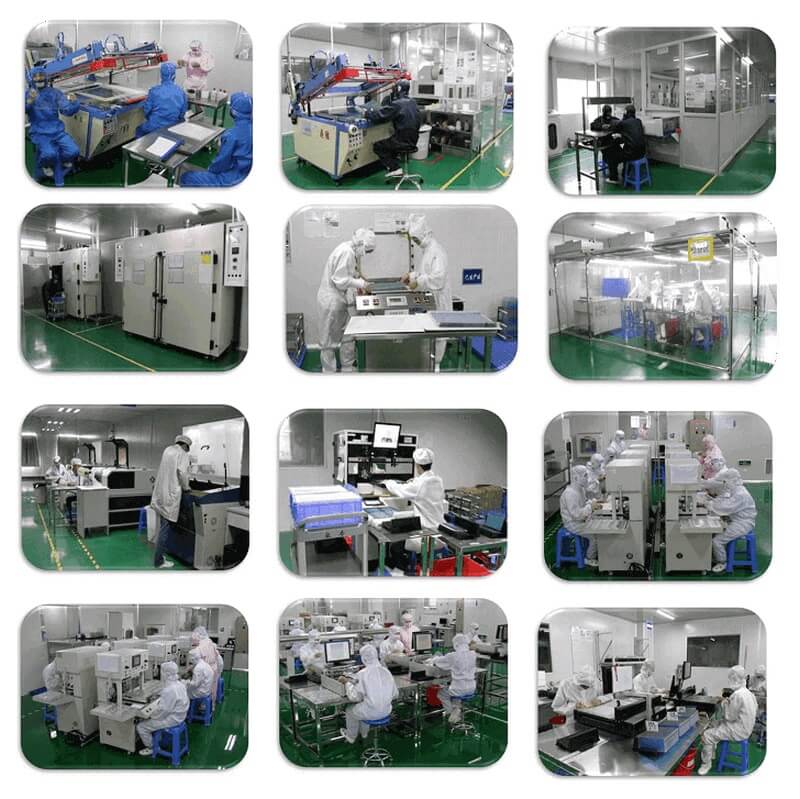
DINGTouch is a company specializing in the R&D and production of touch screen technology, headquartered in Shenzhen, China. As a professional touch screen supplier, DINGTouch is committed to providing high-quality, stable and reliable touch screen products to meet the diverse needs of customers. We continue to carry out technological innovation and product optimization to ensure that its touch screen products have good sensitivity, accuracy and durability.
In addition to the products themselves, we also focus on cooperation and communication with customers, and are committed to providing customized solutions and excellent after-sales services. Through continuous efforts to improve product quality and customer satisfaction, we have established a good reputation in the touchscreen industry and won widespread market recognition.
• PCAP maximum size 65”
• Multi-touch (Touch screen can be customized to your needs.)
• Optical bonding service/air bonding
• LCD interface: HDMI/RGB/MIPI/LVDS/EDP, etc.
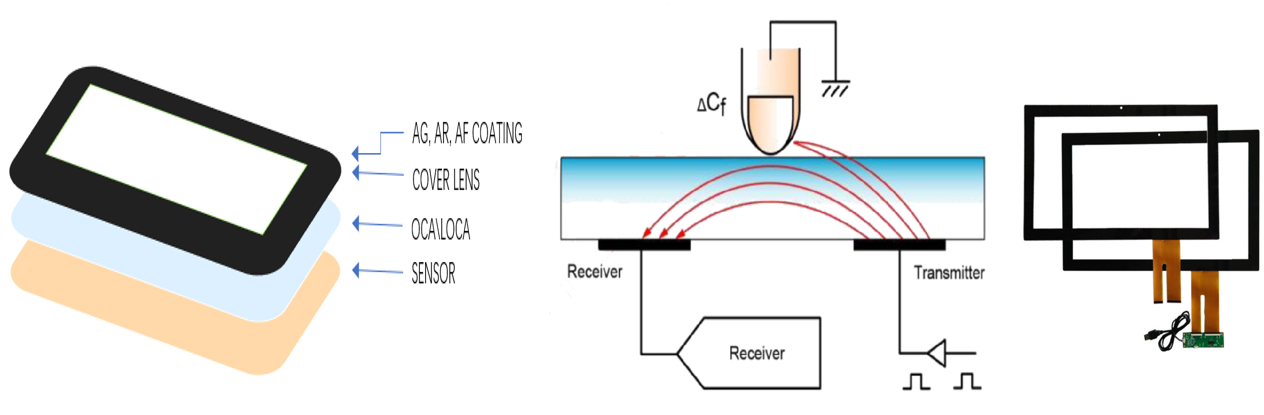
• PCAP interface: IIC/USB interface
• CTP can customize the cover glass surface treatment process AG (anti-glare), AR (anti-reflection), AF (anti-fingerprint), waterproof, and glove touch
• Supports 0.55 mm-12 mm coverslip touch.
• Support operating temperature: -40℃-90℃.
In conclusion, Dingtouch as a professional touch screen manufacturer with more than 10 years touch screen experience.We have many capacitive touch screen. Such as 5 inch touch screen,7 inch touch screen,10.1inch touch screen,15 inch touch screen,15.6 inch touch screen,17 inch touch screen,18.5 inch touch screen,19 inch touch screen,21.5 inch touch screen,32 inch touch screen, However, we also welcome to customize your own touch screen . Contact our team today to learn what capacitive touch screen are best for our retail business needs.
Contact us NOW! sales@szdingtouch.com
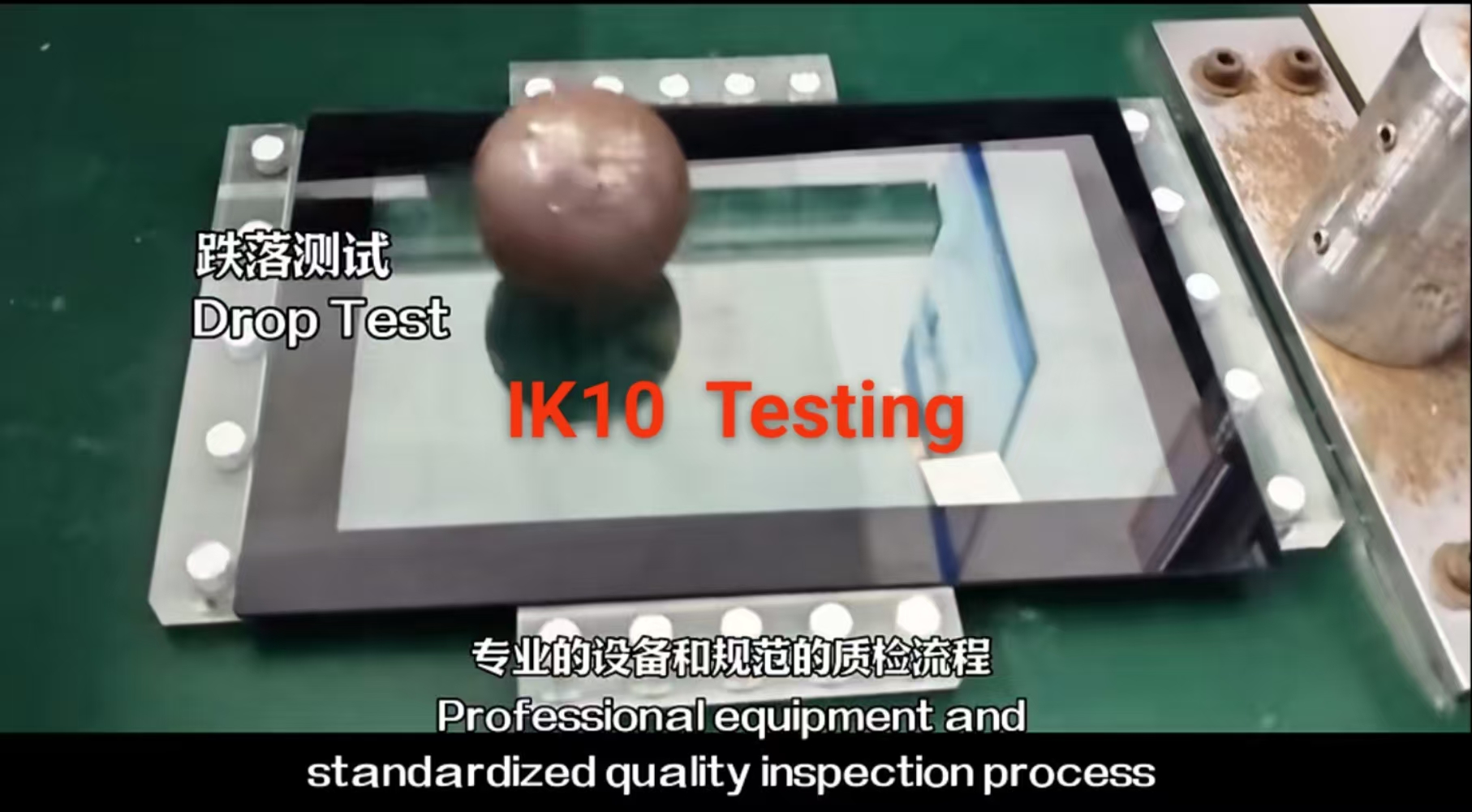
#Medicaltouchscreencalibration, #capacitivetouchcalibrationguide, #IEC60601touchscreen, #DINGTouchmedicaldisplay, #touchscreenaccuracy, #touchscreen driftfix, #medicalequipmenttouchsolutions, #IP65touchpanel, #IK10medicaltouchscreen, #glove touch medical monitor,#ILITEKTouchControllerICSelectionGuide ,#OCAtoOCR #GT911,#CustomizedWideTemperatureTouchScreenSolutions,#Waterproof Touchscreen,
#highbrightnessLCD, #sunlightreadabledisplay,#industrialLCDbacklight, #outdoor displaymodule, #customLCDsolution, #1000–2000nitsdisplay, #DINGTouchtouchscreen.
DINGTouch — Custom Touch Display Solutions Expert
Every touch, clear and precise, ready for any environment.



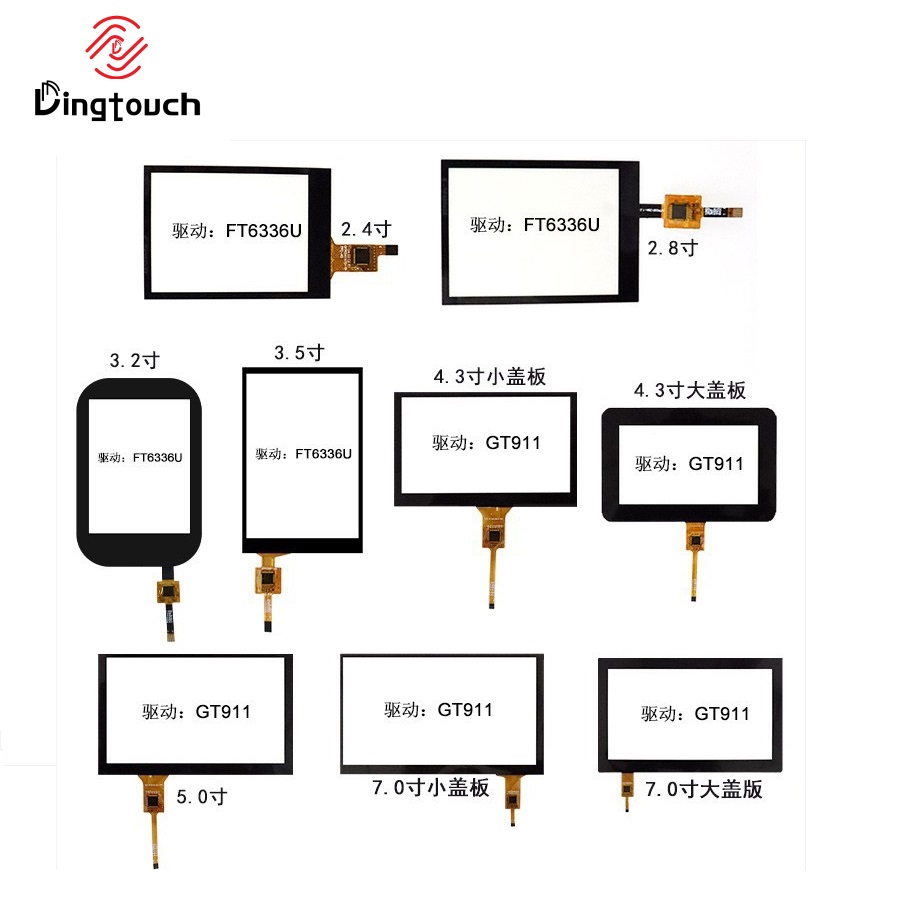
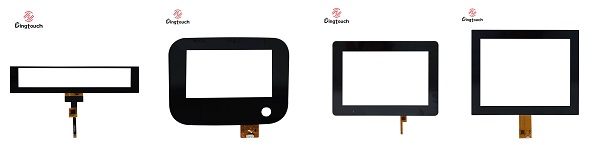
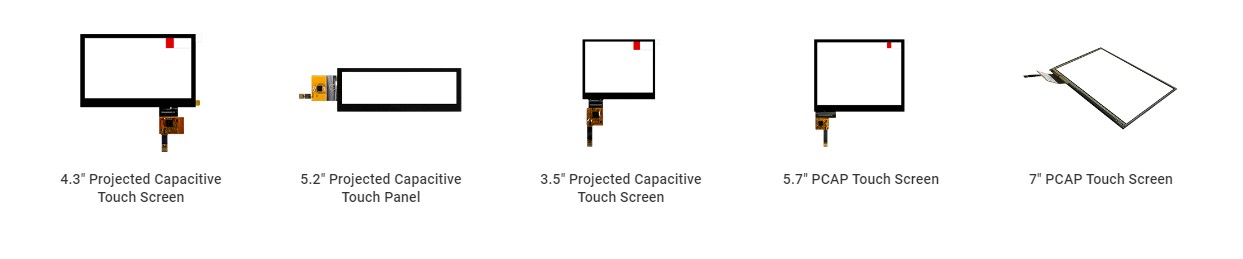
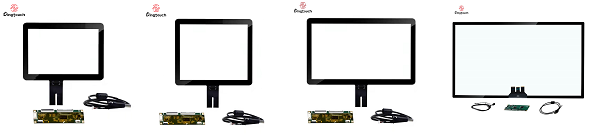
What DINGTOUCH can do:
Dingtouch Industrial capacitive touch screen Manufacturer

CATEGORIES
CONTACT US
Contact: Dingtouch
Phone: +8615815536116
Tel: +8615815536116
Email: sales@szdingtouch.com
Add: Building A, Bailu Plaza, No. 48, Gonghe Industrial Road, Gongle Community, Xixiang Street, Baoan District, Shenzhen,China. 518126
 Dingtouch