News
How to Choose the Right Touch Interface: USB vs IIC (I²C) — The Real Differences Behind Cost & Performance
How to Choose the Right Touch Interface: USB vs IIC (I²C) — The Real Differences Behind Cost & Performance
It’s Not Just About the Interface
When selecting a touch screen solution, many engineers and buyers often focus on size, resolution, or brightness—but overlook a critical factor: the communication interface.
At first glance, USB and IIC (I²C) may seem like simple hardware differences. In reality, they represent two completely different system architectures, impacting development cost, compatibility, and overall project risk.
So why are USB touch screens usually more expensive than IIC ones? And how should you choose the right interface for your project?
Let’s break it down.
 1. Communication Architecture: The Root of Cost Differences
IIC (I²C): Master-Slave, Software-Driven
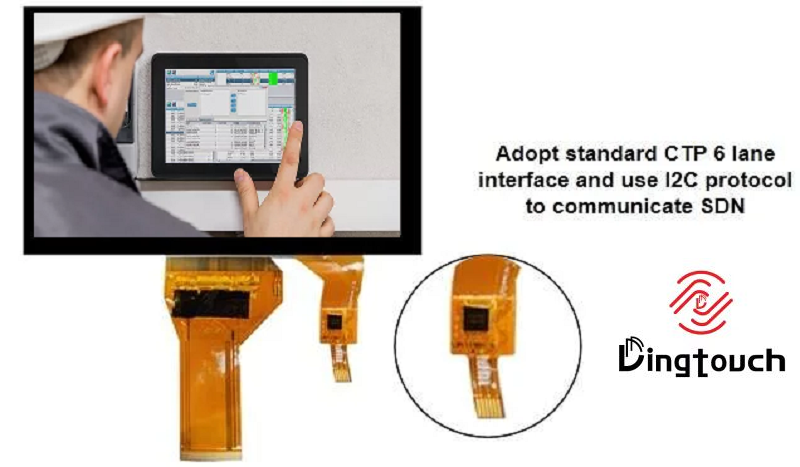
IIC is a typical master-slave communication protocol. The touch controller acts as a slave device, meaning:
- The main controller (MCU or processor) must actively poll touch data
- Requires IIC driver support on the host side
- Needs custom protocol integration and debugging
- Software engineers must handle system adaptation
In short:
Lower hardware cost, but higher software dependency
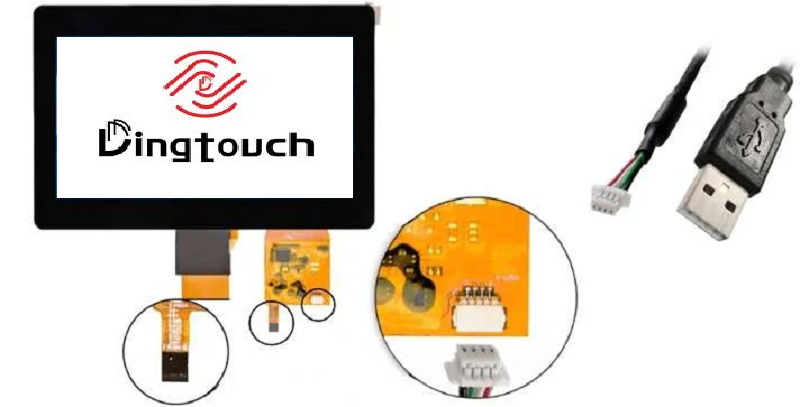 USB: Standardized, System-Level Integration
USB touch screens typically use the HID (Human Interface Device) protocol, which is natively supported by:
- Windows
- Linux
- Android
This allows the touch screen to function as a standard input device with plug-and-play capability.
Behind this simplicity:
- The touch controller board integrates a more powerful MCU
- Built-in protocol conversion and communication stack
- More advanced firmware design
In short:
Higher hardware cost, but minimal software effort
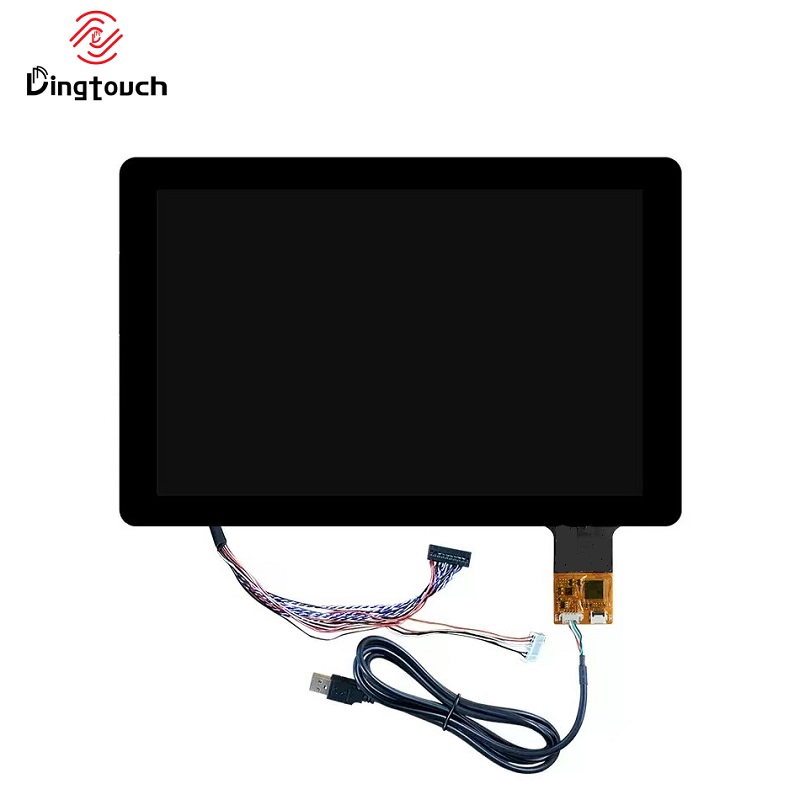
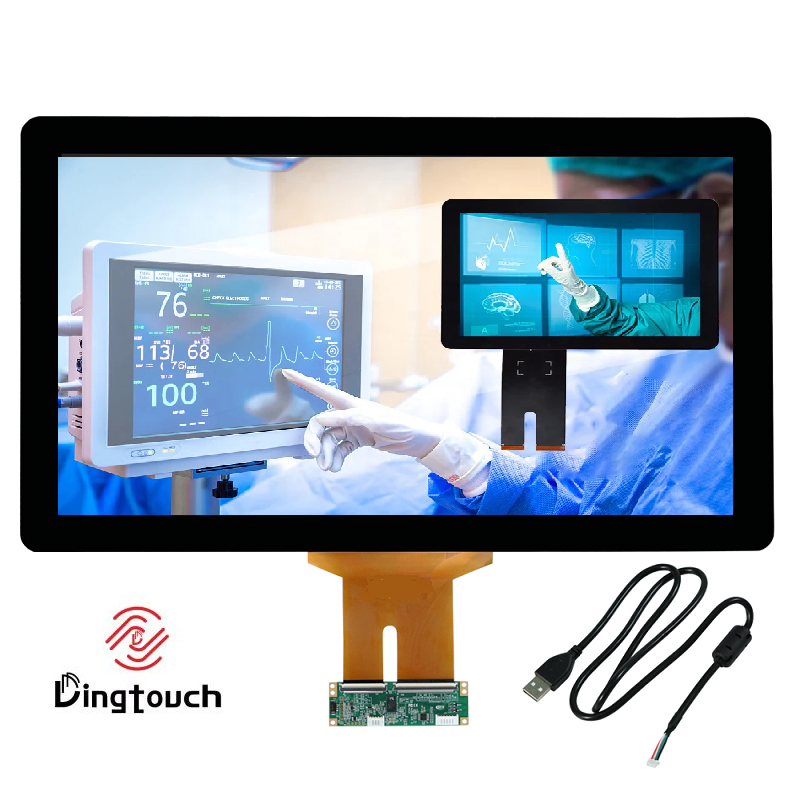
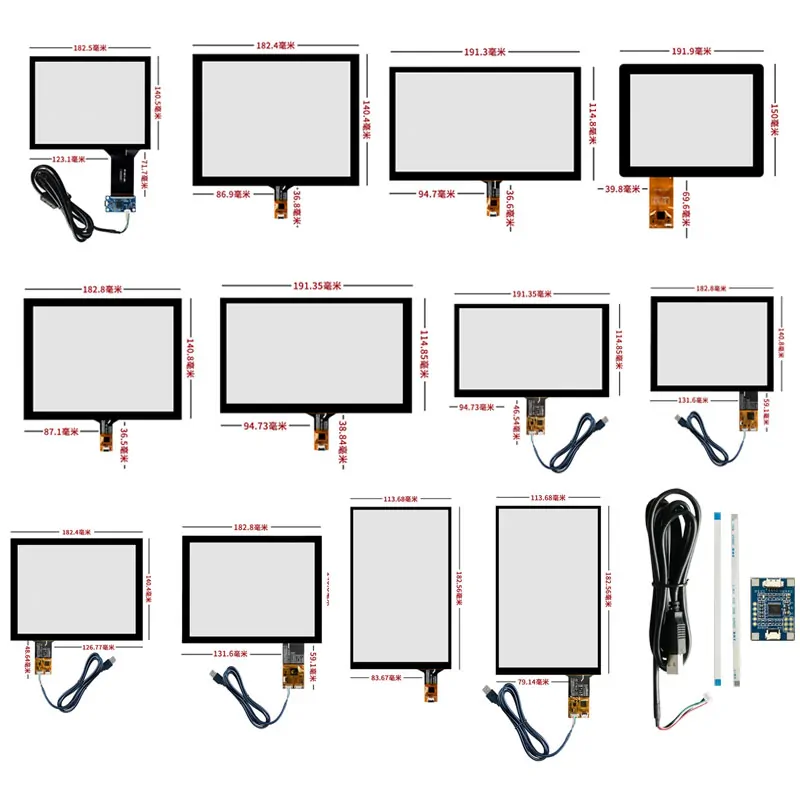 2. Compatibility: USB Wins in Multi-Platform Projects
USB Advantages
- Works across x86 & ARM architectures
- No driver development required in most cases
- Ideal for global deployment projects
- Reduces system integration risks
IIC Limitations
- Depends on host platform IIC support
- Different chipsets require different register configurations
- Higher software adaptation workload
Conclusion:
If your project involves multiple platforms or overseas delivery, USB is usually the safer choice.
3. Application Trends by Screen Size
In real-world industry applications, a common pattern emerges:
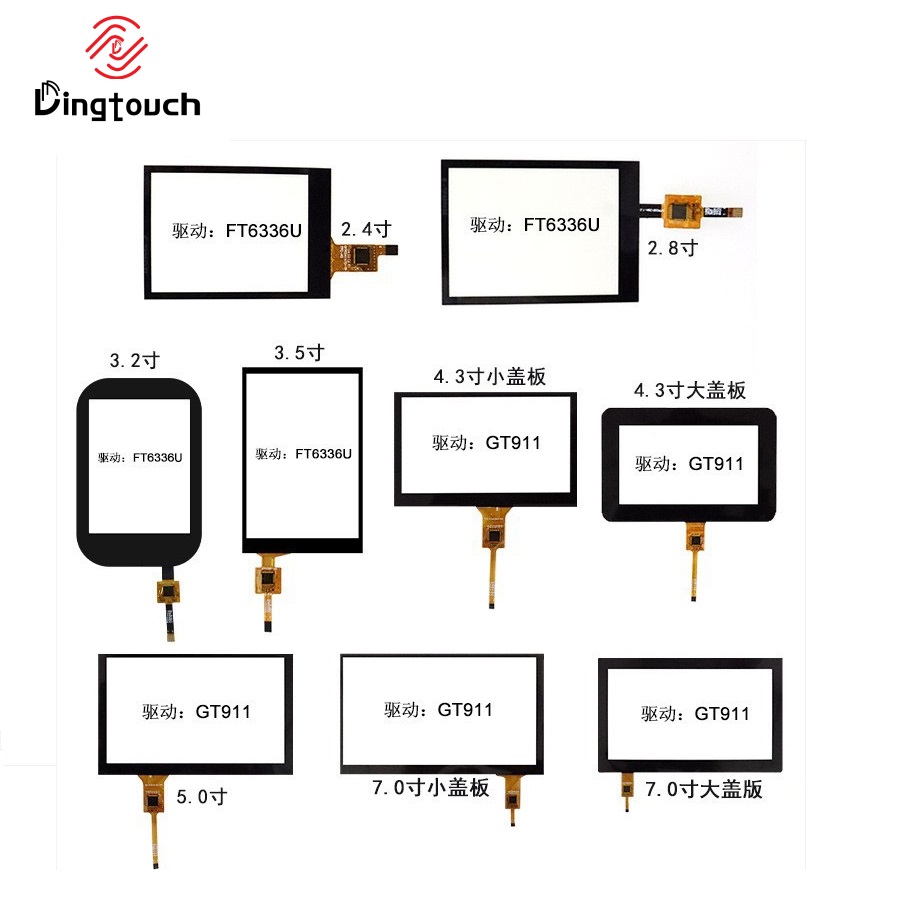
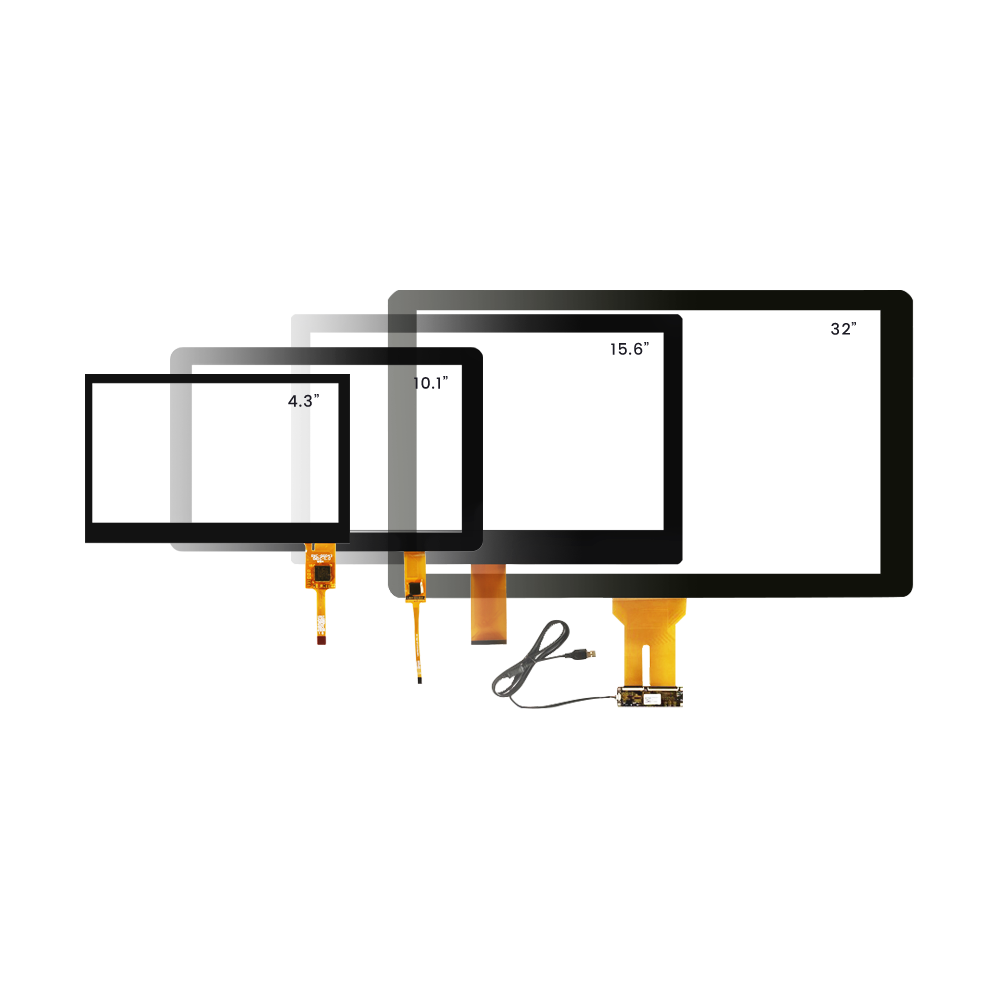
Small Sizes (4.3” / 5” / 7”)
- Often paired with embedded systems
- IIC is commonly used
- Lower BOM cost
Medium to Large Sizes (10.1” and above)
- Typically used with industrial PC or standard motherboards
- USB is more popular
- Easier integration
However, this is not a strict rule.
Flexible Customization Options
At DINGTouch, we support:
- USB-only solutions
- IIC-only solutions
- USB + IIC dual-interface designs
This allows one touch module to adapt to different platforms or project batches—maximizing flexibility.
4. Why Is USB More Expensive?
The price difference is not just about the connector—it reflects system-level value:
- Higher-performance MCU on the control board
- More complex firmware development
- Integrated USB protocol stack
- Additional certification and stability validation
- Better plug-and-play user experience
In essence:
You’re paying for compatibility, reliability, and reduced development risk.
5. How to Choose the Right Interface?
Choose IIC if you:
- Have a strong embedded software team
- Use a fixed hardware platform
- Want to optimize BOM cost
Choose USB if you:
- Need fast integration
- Require cross-platform compatibility
- Want to minimize development time
- Prefer true plug-and-play functionality

6. DINGTouch Custom Touch Solutions
As a professional manufacturer specializing in touch display modules, DINGTouch brings over 10+ years of industry experience and extensive real-world project cases.
We provide:
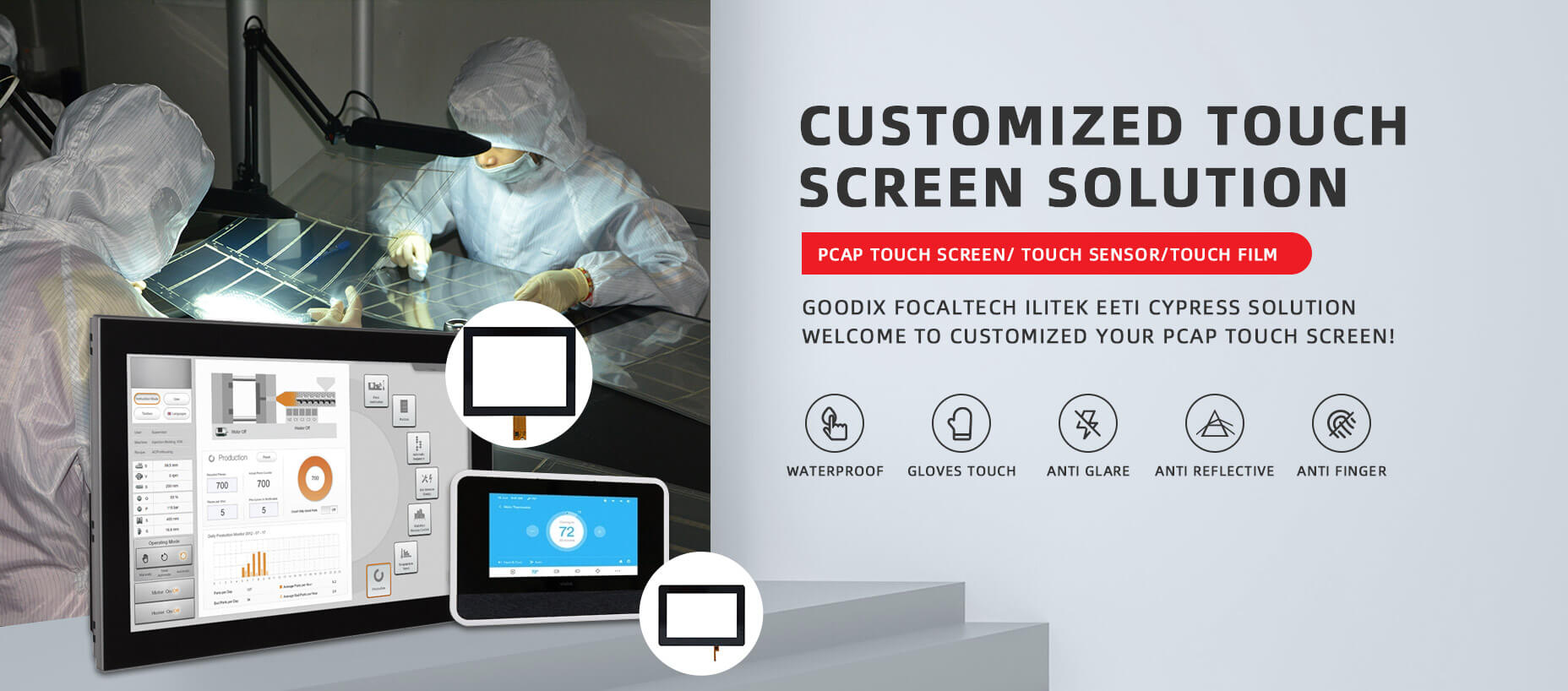
- Custom USB or IIC touch solutions
- Dual-interface (USB + IIC) designs
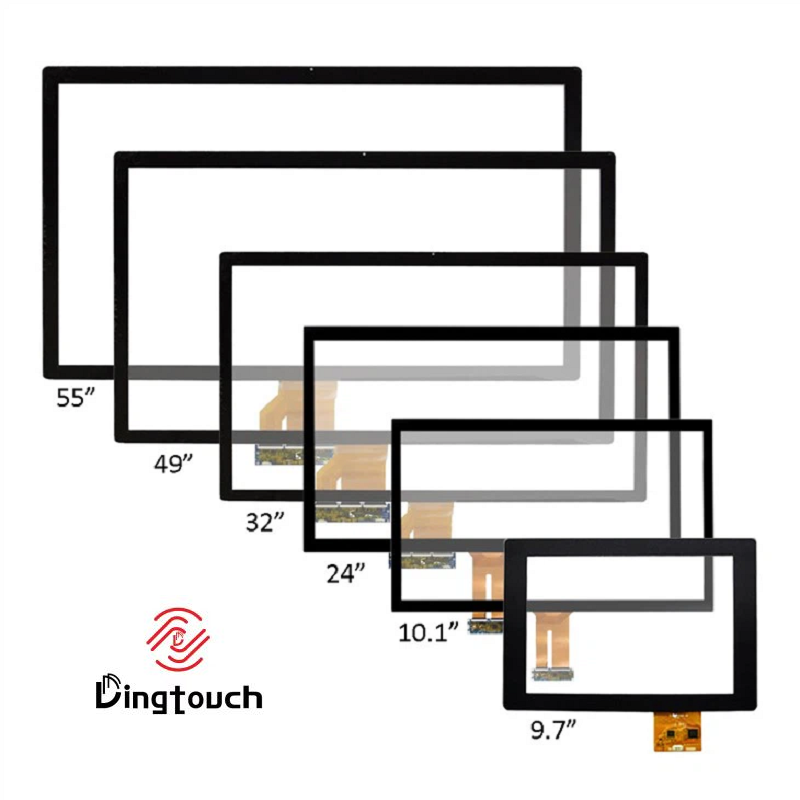
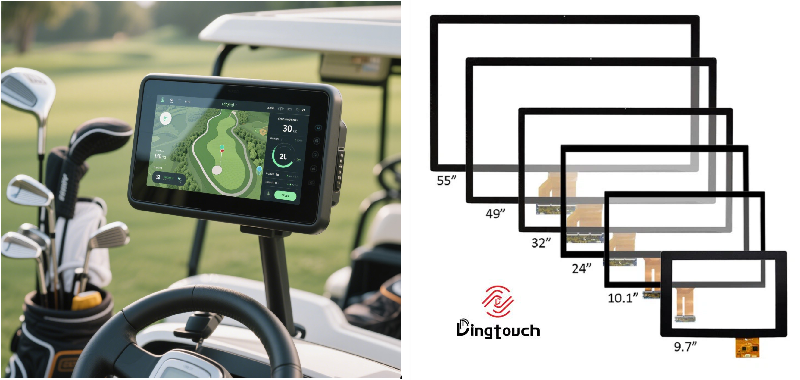
- Full-size customization from 5” to 65”
- Tailored solutions based on your system architecture and application scenario
Our goal is simple:
Help you achieve the best balance between stability, compatibility, and cost.
Conclusion: Interface Is a Detail, System Matching Is Everything
Choosing between USB and IIC is not just a technical decision—it’s a strategic one.
The right interface can:
- Reduce development time
- Improve product stability
- Lower long-term costs
If you're looking for a reliable touch display partner, DINGTouch is ready to support your project from concept to mass production.



Ready to Build Your Outdoor Display Solution?
Get in touch with us at sales@szdingtouch.com. Our expert engineers will help you design a cost-effective, tailored solution to meet your project’s exact specifications.
DINGTouch:Committed to continuous innovation and improvement of product quality to meet customers' high requirements and expectations.
DINGTouch is a manufacturer that provides high quality touch screen panels. Focus on the design, manufacturing and sales of touch screen panels, and are committed to providing customized solutions that satisfy customers.
DINGTouch: In the process of customizing touch screen panels, we focus on close cooperation and communication with customers. Understanding customers' needs and providing customized solutions will meet customers' individual needs. The company's products are favored by customers for their high quality and reliability, and provide them with the best touchscreen panel solutions.
DINGTouch:Committed to continuous innovation and improvement of product quality to meet customers' high requirements and expectations.
DINGTouch is a manufacturer that provides high quality touch screen panels. Focus on the design, manufacturing and sales of touch screen panels, and are committed to providing customized solutions that satisfy customers.
DINGTouch: In the process of customizing touch screen panels, we focus on close cooperation and communication with customers. Understanding customers' needs and providing customized solutions will meet customers' individual needs. The company's products are favored by customers for their high quality and reliability, and provide them with the best touchscreen panel solutions.
At DINGTOUCH, we are the world's leading touchscreen manufacturer, helping businesses around the world take advantage of this exciting technology. For more information, please visit the home page now.
DINGTouch is a company specializing in the R&D and production of touch screen technology, headquartered in Shenzhen, China. As a professional touch screen supplier, DINGTouch is committed to providing high-quality, stable and reliable touch screen products to meet the diverse needs of customers. We continue to carry out technological innovation and product optimization to ensure that its touch screen products have good sensitivity, accuracy and durability.
In addition to the products themselves, we also focus on cooperation and communication with customers, and are committed to providing customized solutions and excellent after-sales services. Through continuous efforts to improve product quality and customer satisfaction, we have established a good reputation in the touchscreen industry and won widespread market recognition.
In addition to the products themselves, we also focus on cooperation and communication with customers, and are committed to providing customized solutions and excellent after-sales services. Through continuous efforts to improve product quality and customer satisfaction, we have established a good reputation in the touchscreen industry and won widespread market recognition.
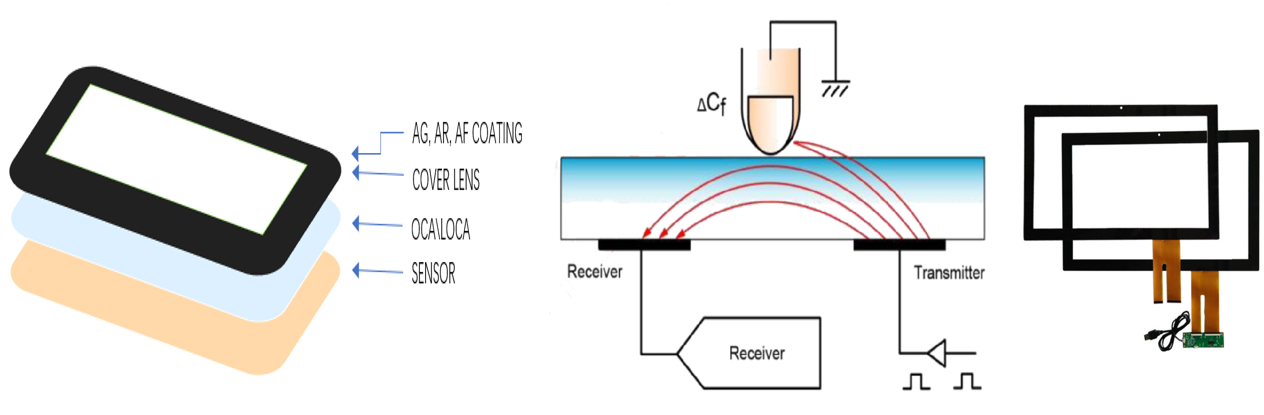
What DINGTOUCH can do:
• PCAP maximum size 65”
• Multi-touch (Touch screen can be customized to your needs.)
• Optical bonding service/air bonding
• LCD interface: HDMI/RGB/MIPI/LVDS/EDP, etc.
• PCAP interface: IIC/USB interface
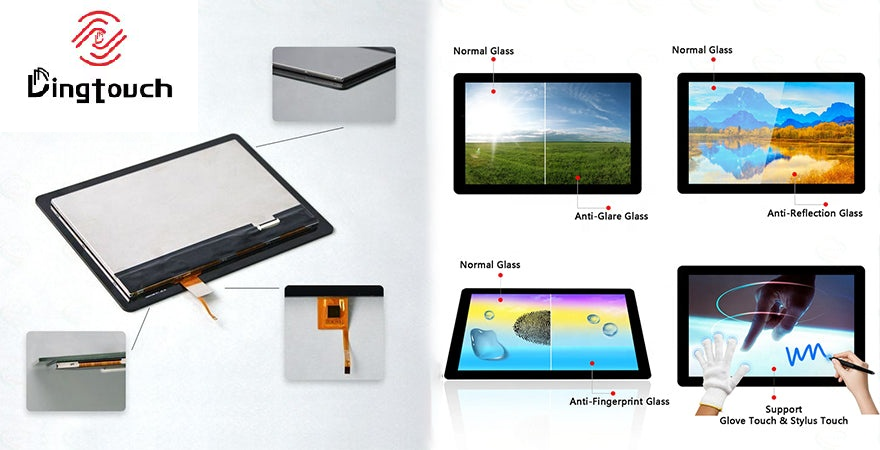
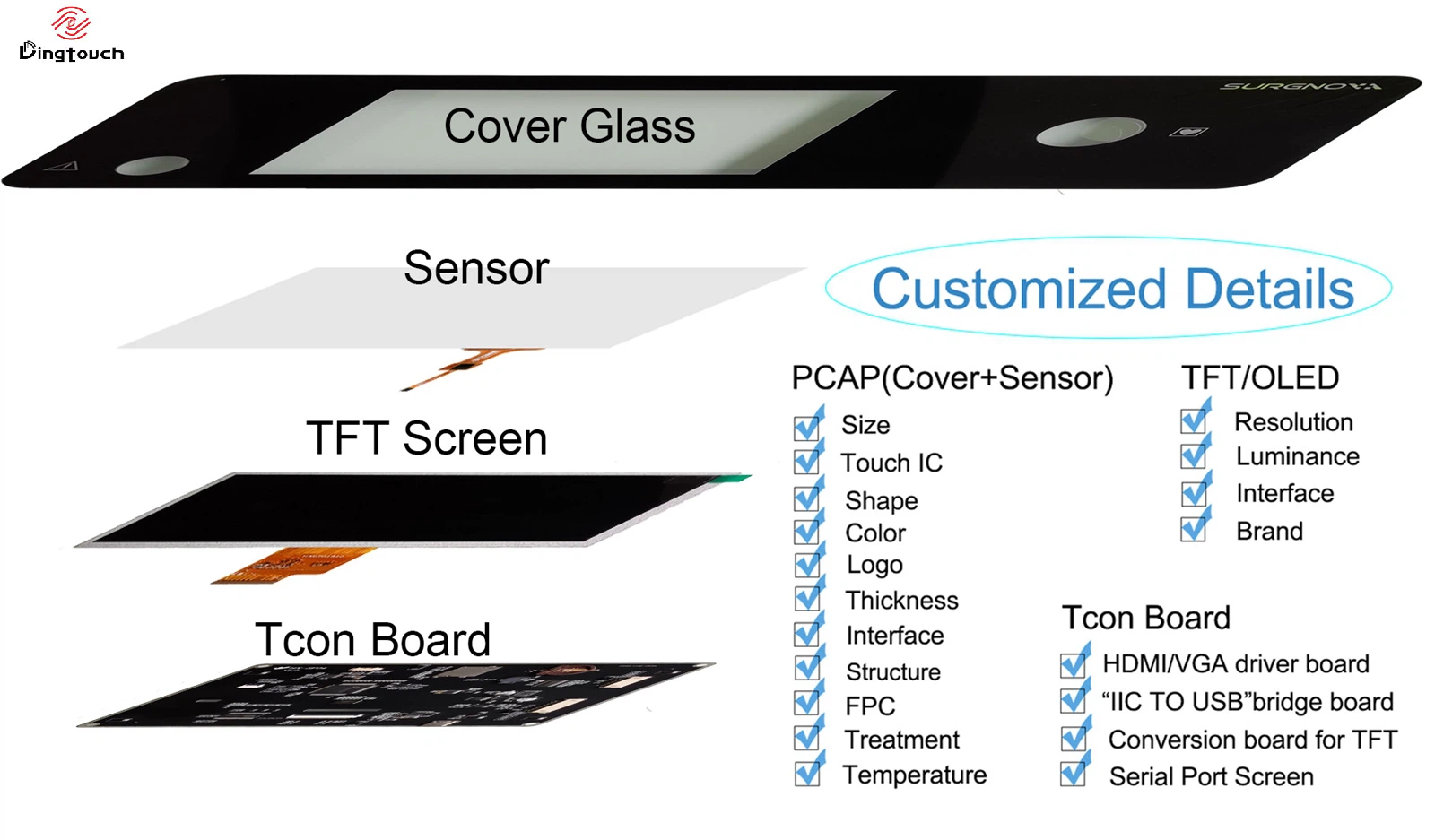
• CTP can customize the cover glass surface treatment process AG (anti-glare), AR (anti-reflection), AF (anti-fingerprint), waterproof, and glove touch
• Supports 0.55 mm-12 mm coverslip touch.
• Support operating temperature: -40℃-90℃.
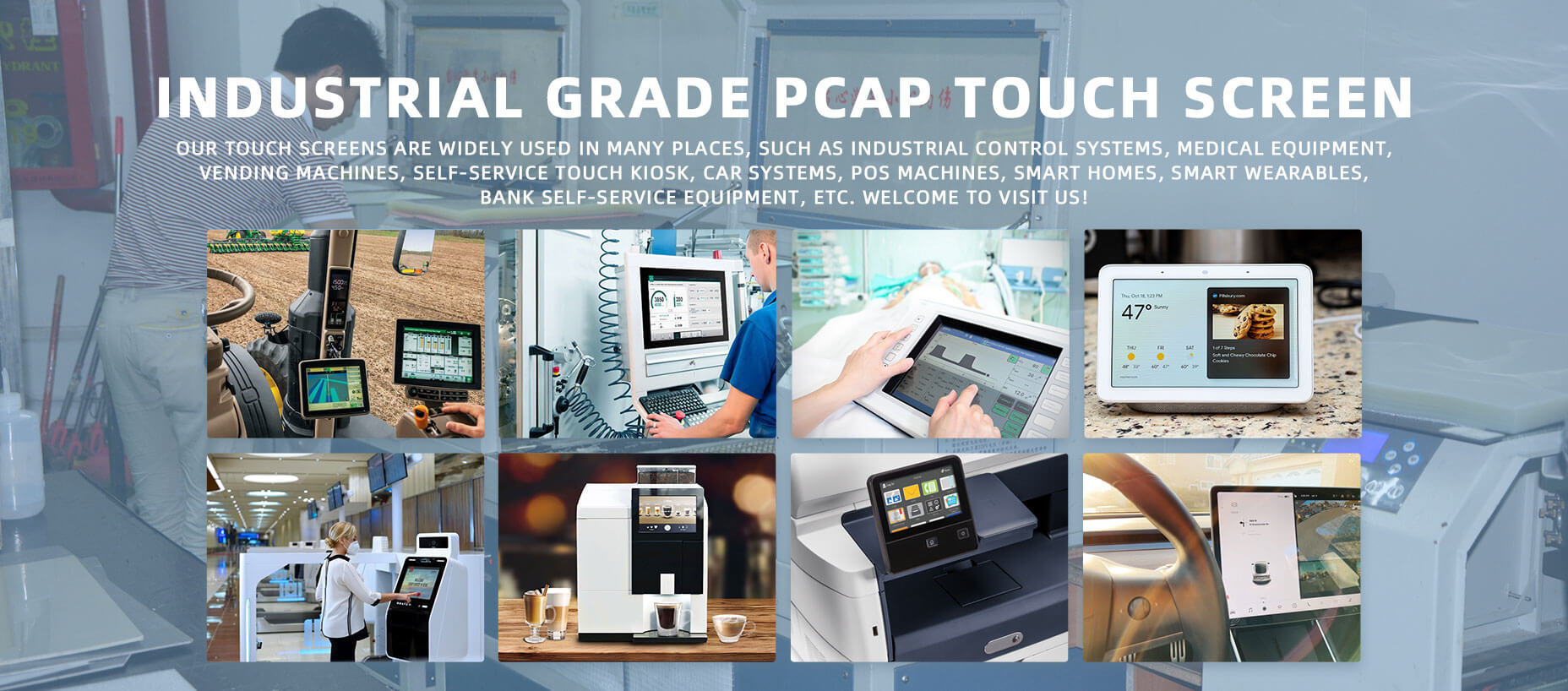
Dingtouch Industrial Capacitive Touch Screen Manufacturer
In conclusion, Dingtouch as a professional touch screen manufacturer with more than 10 years touch screen experience.We have many capacitive touch screen. Such as 5 inch touch screen,7 inch touch screen,10.1inch touch screen,15 inch touch screen,15.6 inch touch screen,17 inch touch screen,18.5 inch touch screen,19 inch touch screen,21.5 inch touch screen,32 inch touch screen, However, we also welcome to customize your own touch screen . Contact our team today to learn what capacitive touch screen are best for our retail business needs.
Contact us NOW! sales@szdingtouch.com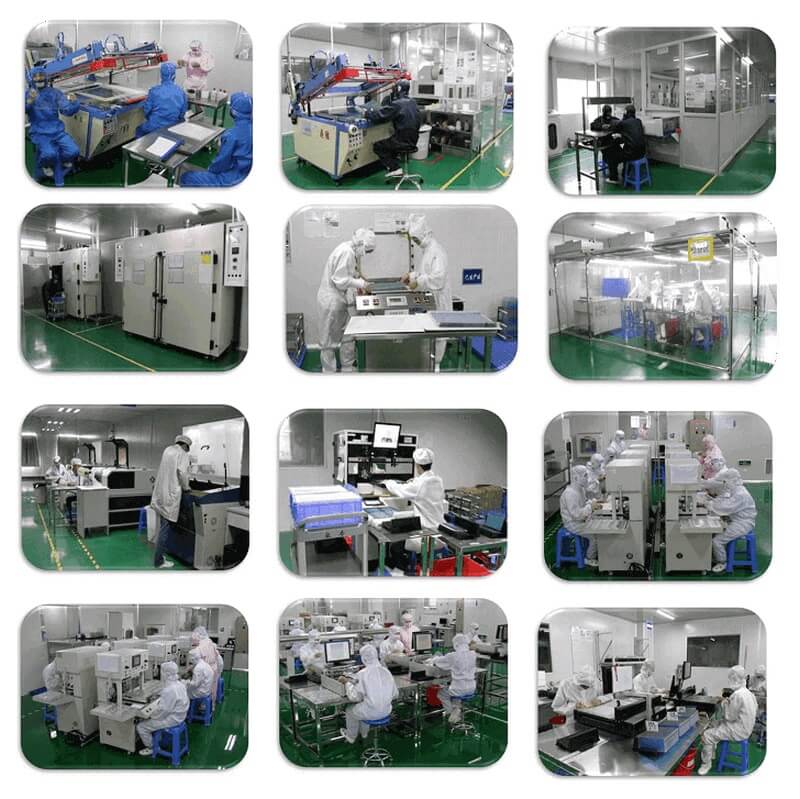
#Medicaltouchscreencalibration, #capacitivetouchcalibrationguide, #IEC60601touchscreen, #DINGTouchmedicaldisplay, #touchscreenaccuracy, #touchscreen driftfix, #medicalequipmenttouchsolutions, #IP65touchpanel, #IK10medicaltouchscreen, #glove touch medical monitor,#ILITEKTouchControllerICSelectionGuide ,#OCAtoOCR #GT911,#CustomizedWideTemperatureTouchScreenSolutions,#Waterproof Touchscreen,
#highbrightnessLCD, #sunlightreadabledisplay,#industrialLCDbacklight, #outdoor displaymodule, #customLCDsolution, #1000–2000nitsdisplay, #DINGTouchtouchscreen.
DINGTouch — Custom Touch Display Solutions Expert
Every touch, clear and precise, ready for any environment.
Every touch, clear and precise, ready for any environment.
CATEGORIES
CONTACT US
Contact: Dingtouch
Phone: +8615815536116
Tel: +8615815536116
Email: sales@szdingtouch.com
Add: Building A, Bailu Plaza, No. 48, Gonghe Industrial Road, Gongle Community, Xixiang Street, Baoan District, Shenzhen,China. 518126
 Dingtouch