News
How AMOLED Displays Work: The Technology Behind Superior Visual Performance
 How AMOLED Displays Work: The Technology Behind Superior Visual Performance
In today's display-driven world, visual quality has become a critical factor across smartphones, tablets, wearables, automotive systems, industrial equipment, and commercial displays. Among the many display technologies available, AMOLED (Active-Matrix Organic Light-Emitting Diode) stands out for its exceptional color reproduction, deep blacks, ultra-fast response times, and energy efficiency.
As a professional manufacturer specializing in custom display and touch solutions, DINGTouch continuously follows and integrates the latest display innovations to help customers develop next-generation human-machine interfaces (HMI), smart devices, medical equipment, industrial control systems, and automotive applications.
This article explores how AMOLED displays work, their advantages, limitations, and why they are becoming the preferred display technology across multiple industries.
 What Is an AMOLED Display?
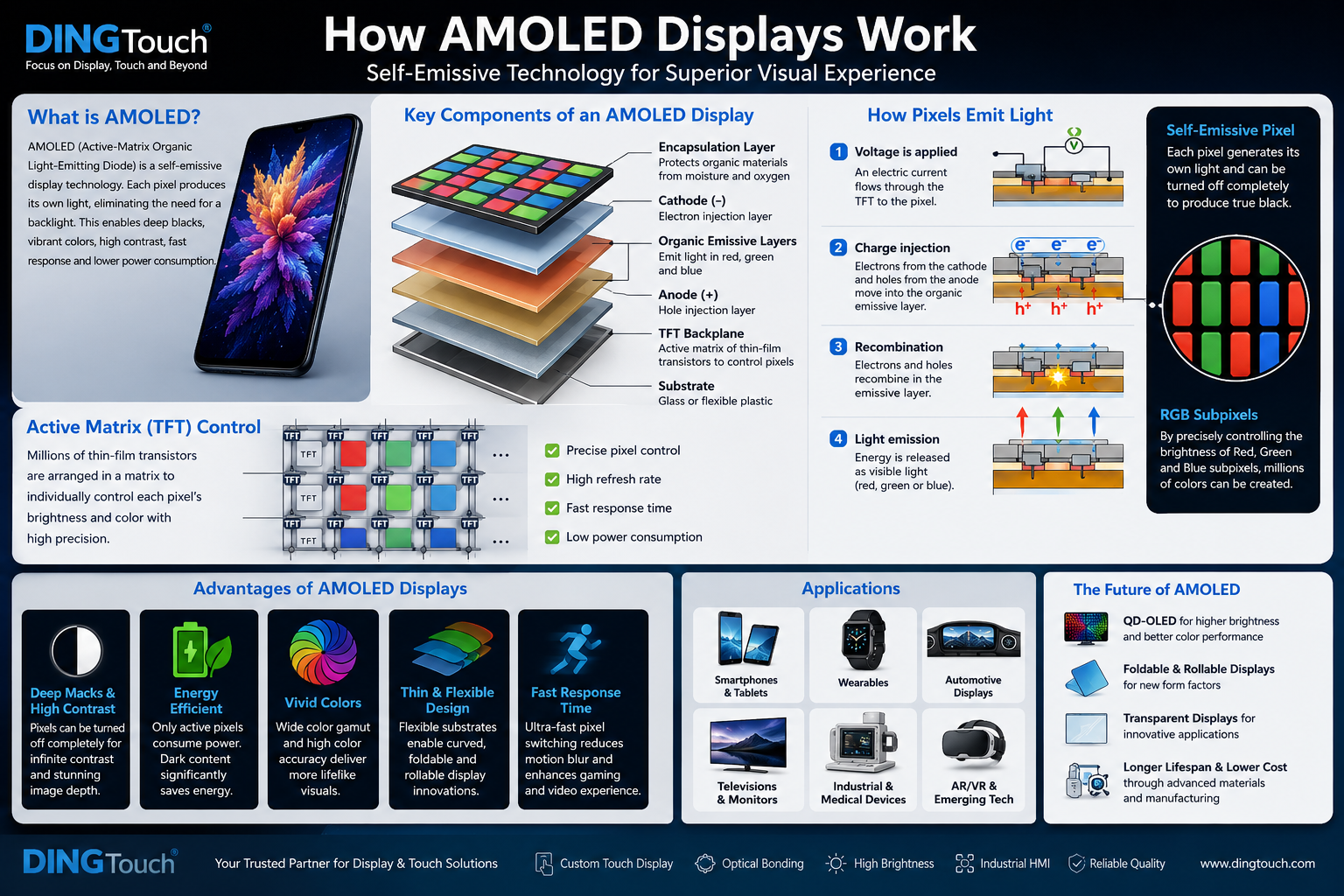
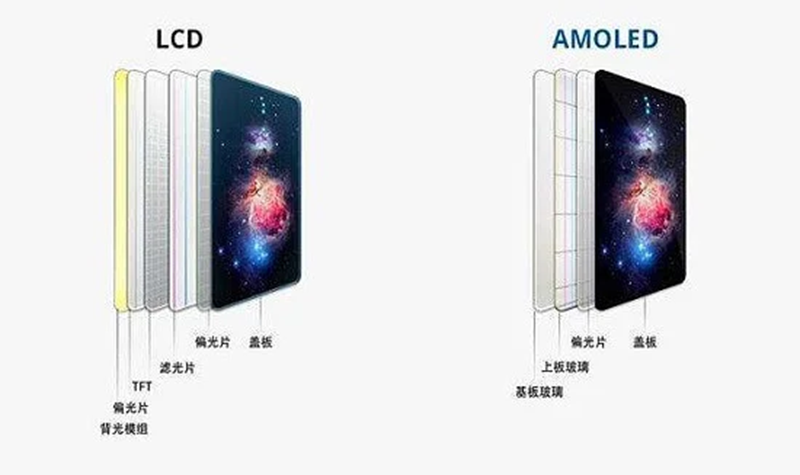
AMOLED stands for Active-Matrix Organic Light-Emitting Diode, an advanced display technology that combines organic light-emitting materials with an active matrix of thin-film transistors (TFTs).
Unlike traditional LCD displays that rely on a separate backlight, AMOLED screens generate light directly from each individual pixel.
This self-emissive technology delivers:
- True blacks
- Infinite contrast ratios
- Wider viewing angles
- Faster refresh rates
- Lower power consumption
- Ultra-thin display structures
Key Components of an AMOLED Display
Organic Emissive Layers
Special organic compounds emit light when electrical current passes through them. Separate red, green, and blue subpixels create the full color spectrum.
Thin-Film Transistor (TFT) Backplane
The TFT layer serves as the active matrix, controlling each pixel individually with high precision.
Encapsulation Layer
Organic materials are sensitive to moisture and oxygen. The encapsulation layer protects the display and extends its lifespan.
Substrate
AMOLED displays can be built on:
- Glass substrates (rigid AMOLED)
- Flexible polyimide substrates (flexible AMOLED)
This flexibility enables foldable, curved, and rollable displays.
How AMOLED Displays Produce Images
Pixel-Level Light Emission
The defining feature of AMOLED technology is that every pixel functions as its own light source.
Each pixel contains:
- Anode
- Organic emissive layers
- Cathode
When voltage is applied:
- Electrons move from the cathode.
- Holes move from the anode.
- They recombine within the organic layer.
- Energy is released as visible light.
Because each pixel illuminates independently, AMOLED displays can completely turn off specific pixels when displaying black content.
Result:
✔ True black levels
✔ Near-infinite contrast ratio
✔ Enhanced image depth
✔ Improved HDR performance
✔ Greater visual realism
Active Matrix Control System
The "Active Matrix" in AMOLED refers to millions of TFT transistors arranged in a matrix behind the display.
Each transistor functions as a miniature electronic switch that controls:
- Pixel brightness
- Color accuracy
- Refresh rate
- Power consumption
Benefits of Active Matrix Technology
- Faster screen response
- Higher refresh rates
- Reduced motion blur
- Smooth gaming experience
- Improved video playback
- Better VR performance
This precise control allows AMOLED displays to achieve exceptional image quality while maintaining energy efficiency.
Color Generation and Reproduction
Every AMOLED pixel consists of three subpixels:
- Red (R)
- Green (G)
- Blue (B)
By adjusting the intensity of each subpixel, millions of colors can be generated.
Modern AMOLED displays utilize advanced technologies such as:
Enhanced Organic Materials
Improved brightness and longer operational life.
Quantum Dot Integration
Enhanced color purity and wider color gamut.
Advanced Manufacturing Processes
More consistent color uniformity and reduced pixel variation.
The result is a highly immersive viewing experience with vibrant, lifelike images suitable for both consumer and professional applications.
Advantages of AMOLED Displays
Deep Blacks and Infinite Contrast
One of AMOLED most significant advantages is its ability to produce true black.
Unlike LCD technology, which always has some backlight leakage, AMOLED pixels can be completely switched off.
Benefits Include:
- Richer image depth
- Better shadow details
- Enhanced HDR performance
- More realistic visual experience
This makes AMOLED ideal for:
- High-end smartphones
- Premium televisions
- Professional imaging systems
- Automotive displays
Superior Energy Efficiency
Since only active pixels consume power, AMOLED displays can significantly reduce energy consumption.
Dark Mode Advantage
When displaying black content:
- Black pixels are turned off entirely.
- Power consumption decreases dramatically.
Compared with LCD technology, AMOLED can reduce display power consumption by approximately 30%–50% under dark-themed usage scenarios.
This translates into:
- Longer battery life
- Reduced heat generation
- Improved device efficiency
Ultra-Thin and Flexible Design
AMOLED display eliminate the need for bulky backlight assemblies.
Benefits include:
- Slimmer devices
- Lightweight products
- Curved screens
- Foldable smartphones
- Rollable displays
- Innovative wearable designs
At DINGTouch, we see flexible display technology becoming increasingly important for next-generation industrial, medical, automotive, and smart home applications.
Faster Response Times
AMOLED pixels respond almost instantly to electrical signals.
Advantages
- Reduced motion blur
- Sharper fast-moving images
- Better gaming performance
- Enhanced VR experiences
- Smoother video playback
High-refresh-rate AMOLED panels are now commonly used in premium smartphones, gaming devices, and advanced commercial display systems.
Challenges and Considerations of AMOLED Technology
Despite its advantages, AMOLED technology still faces several challenges.
Screen Burn-In
Static images displayed for extended periods can cause uneven pixel aging.
Examples include:
- Navigation bars
- Status icons
- Dashboard interfaces
- Industrial monitoring screens
Modern solutions include:
- Pixel shifting
- Screen savers
- Dynamic UI elements
- Intelligent brightness control
Organic Material Aging
The organic compounds naturally degrade over time.
Potential effects include:
- Reduced brightness
- Color shift
- Shortened lifespan
Manufacturers continue developing more durable organic materials to improve longevity.
Higher Production Costs
AMOLED manufacturing is more complex than LCD production.
Challenges include:
- Lower manufacturing yield
- Advanced deposition equipment
- Complex encapsulation processes
However, as production scales increase, AMOLED costs continue to decrease annually.
Applications of AMOLED Display
Smartphones and Tablets
AMOLED technology dominates flagship mobile devices due to:
- Vivid colors
- Energy efficiency
- Superior outdoor visibility
Wearable Devices
Smartwatches and fitness trackers benefit from:
- Low power consumption
- Compact form factors
- Curved display possibilities
Automotive Displays
Modern vehicles increasingly utilize AMOLED technology for:
- Digital instrument clusters
- Infotainment systems
- Passenger displays
- Heads-up displays (HUD)
Industrial and Medical Equipment
Advanced AMOLED displays provide:
- High contrast visibility
- Fast response times
- Enhanced user interfaces
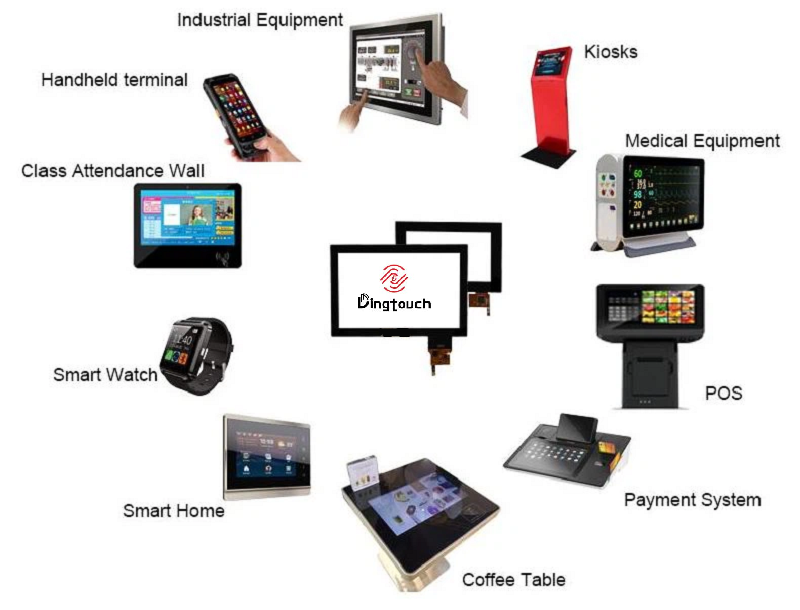
At DINGTouch, we help customers integrate advanced display and touch technologies into:
- Medical devices
- Industrial control systems
- Marine equipment
- Self-service kiosks
- Smart home products
- Commercial HMI solutions
The Future of AMOLED Technology
The AMOLED industry continues to evolve rapidly.
Emerging innovations include:
QD-OLED Technology
Combining Quantum Dot and OLED technologies for:
- Higher brightness
- Better color accuracy
- Improved efficiency
Foldable and Rollable Displays
Creating entirely new product categories and user experiences.
Transparent Displays
Opening opportunities in:
- Retail displays
- Automotive systems
- Smart windows
- Medical visualization
As manufacturing costs continue to decline and durability improves, AMOLED technology is expected to become increasingly common across both premium and mainstream products.
Why DINGTouch Follows AMOLED Innovation
As a professional provider of custom touch screens, TFT LCD displays, industrial monitors, and integrated display solutions, DINGTouch continuously evaluates emerging technologies such as AMOLED, OLED, Mini LED, and Micro LED.
Our engineering team supports customers with:
- Custom touch display development
- Optical bonding solutions
- High-brightness displays
- Industrial HMI integration
- Automotive display projects
- Medical display solutions
- Outdoor sunlight-readable displays
By combining advanced display technologies with customized capacitive touch solutions, DINGTouch helps customers create smarter, more intuitive, and visually impressive products.
FAQ: Understanding AMOLED Display Technology
1. Why are AMOLED displays easier to read in sunlight?
AMOLED display have fewer internal layers and no traditional backlight, reducing reflections. Combined with high brightness and excellent contrast, they remain highly visible even under direct sunlight.
2. Does Dark Mode save battery life on AMOLED screens?
Yes.
Since black pixels are completely turned off, Dark Mode can significantly reduce power consumption and extend battery life.
3. What causes screen burn-in?
Burn-in occurs when static images remain displayed for long periods, causing uneven wear of organic pixels. Modern AMOLED devices use software and hardware techniques to minimize this issue.
4. Are AMOLED displays better for eye comfort?
AMOLED display generally emit less blue light than traditional LCD. However, some AMOLED screens use PWM brightness control, which may affect sensitive users. Many modern devices now include DC dimming and flicker-reduction technologies.
5. What is the difference between rigid AMOLED and flexible AMOLED?
Rigid AMOLED uses a glass substrate, while flexible AMOLED uses a plastic substrate. Flexible AMOLED enables curved, foldable, and rollable display designs while offering improved impact resistance.
Conclusion
AMOLED technology represents one of the most significant advancements in modern display engineering. With self-emissive pixels, infinite contrast, exceptional color accuracy, energy efficiency, and flexible design possibilities, AMOLED displays continue to redefine visual experiences across industries.
As display innovation accelerates, DINGTouch remains committed to delivering advanced display and touch solutions that help customers stay ahead in an increasingly interactive and connected world.



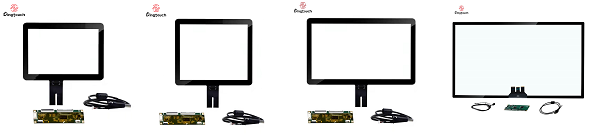
Ready to Build Your Outdoor Display Solution?
Get in touch with us at sales@szdingtouch.com. Our expert engineers will help you design a cost-effective, tailored solution to meet your project’s exact specifications.
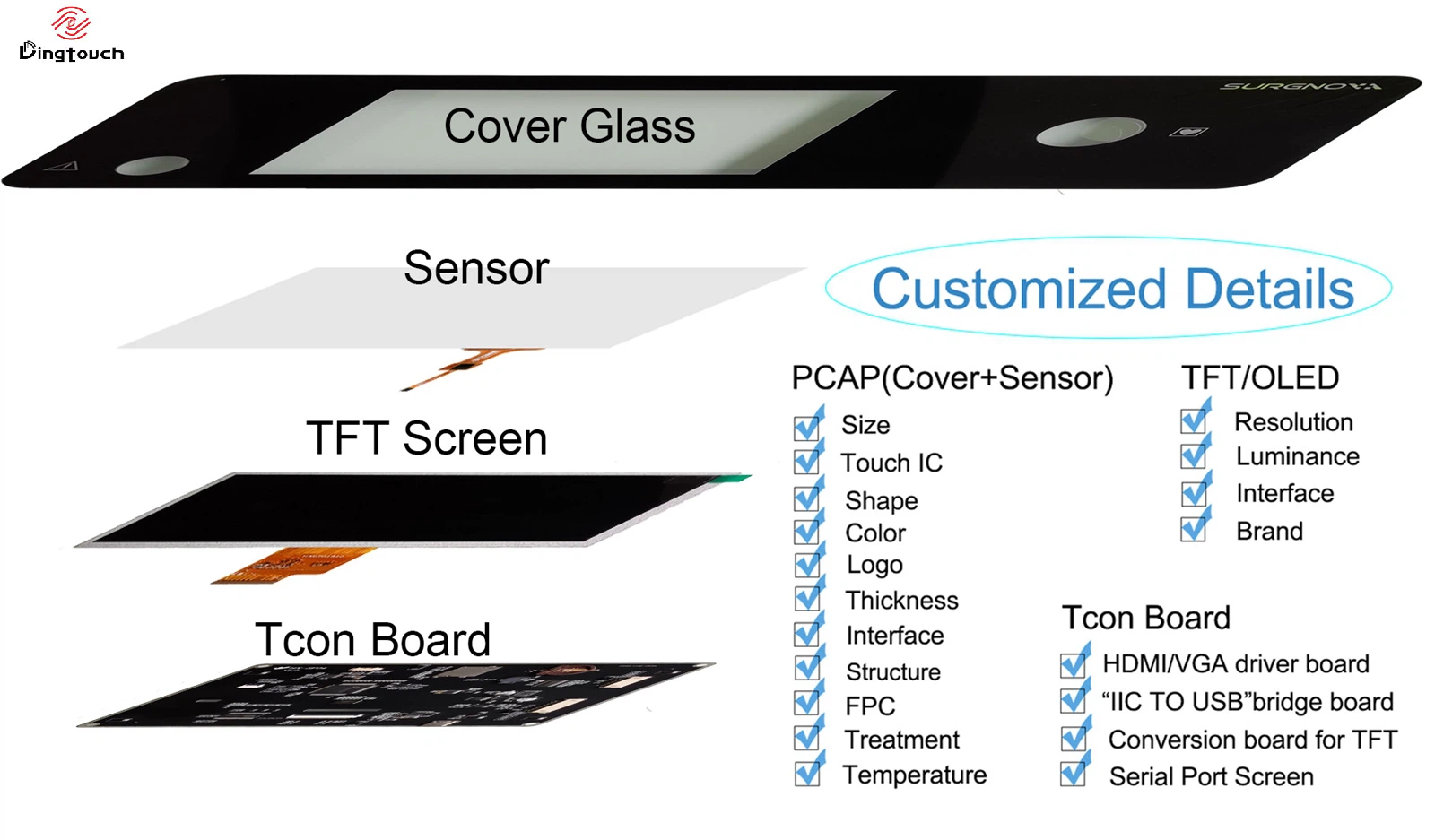
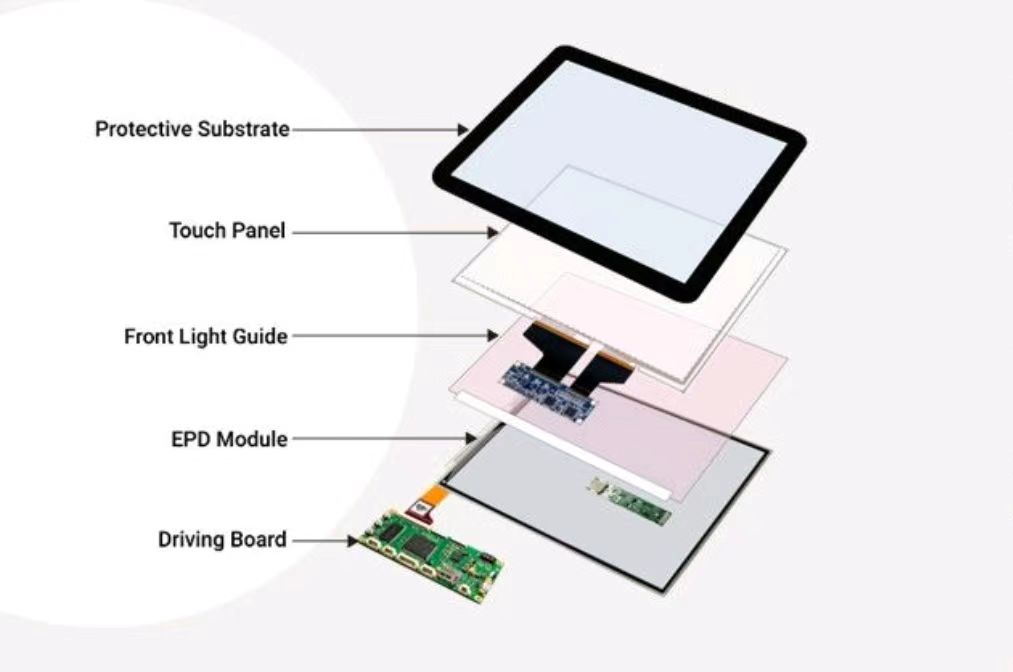
DINGTouch:Committed to continuous innovation and improvement of product quality to meet customers' high requirements and expectations.
DINGTouch is a manufacturer that provides high quality touch screen panels. Focus on the design, manufacturing and sales of touch screen panels, and are committed to providing customized solutions that satisfy customers.
DINGTouch: In the process of customizing touch screen panels, we focus on close cooperation and communication with customers. Understanding customers' needs and providing customized solutions will meet customers' individual needs. The company's products are favored by customers for their high quality and reliability, and provide them with the best touchscreen panel solutions.
DINGTouch:Committed to continuous innovation and improvement of product quality to meet customers' high requirements and expectations.
DINGTouch is a manufacturer that provides high quality touch screen panels. Focus on the design, manufacturing and sales of touch screen panels, and are committed to providing customized solutions that satisfy customers.
DINGTouch: In the process of customizing touch screen panels, we focus on close cooperation and communication with customers. Understanding customers' needs and providing customized solutions will meet customers' individual needs. The company's products are favored by customers for their high quality and reliability, and provide them with the best touchscreen panel solutions.
At DINGTOUCH, we are the world's leading touchscreen manufacturer, helping businesses around the world take advantage of this exciting technology. For more information, please visit the home page now.

DINGTouch is a company specializing in the R&D and production of touch screen technology, headquartered in Shenzhen, China. As a professional touch screen supplier, DINGTouch is committed to providing high-quality, stable and reliable touch screen products to meet the diverse needs of customers. We continue to carry out technological innovation and product optimization to ensure that its touch screen products have good sensitivity, accuracy and durability.
In addition to the products themselves, we also focus on cooperation and communication with customers, and are committed to providing customized solutions and excellent after-sales services. Through continuous efforts to improve product quality and customer satisfaction, we have established a good reputation in the touchscreen industry and won widespread market recognition.
In addition to the products themselves, we also focus on cooperation and communication with customers, and are committed to providing customized solutions and excellent after-sales services. Through continuous efforts to improve product quality and customer satisfaction, we have established a good reputation in the touchscreen industry and won widespread market recognition.
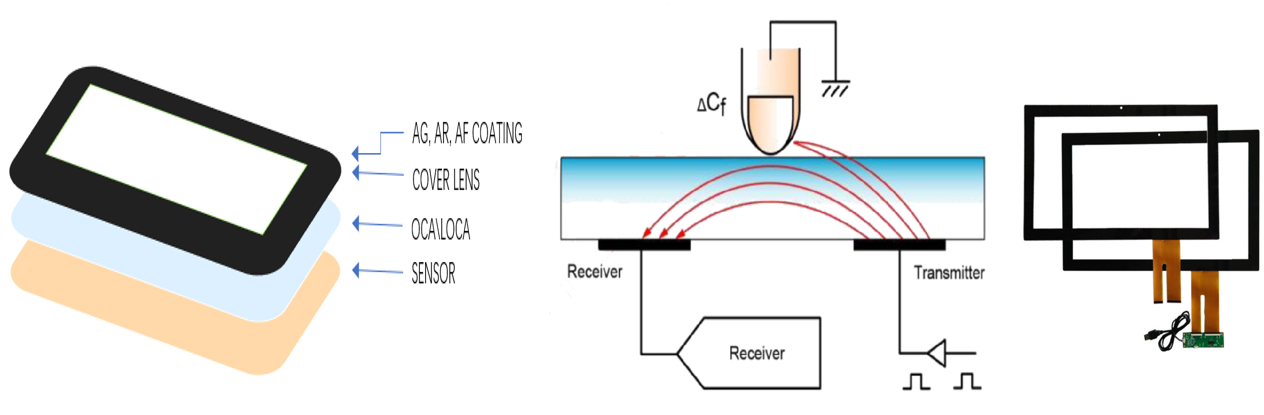
What DINGTOUCH can do:
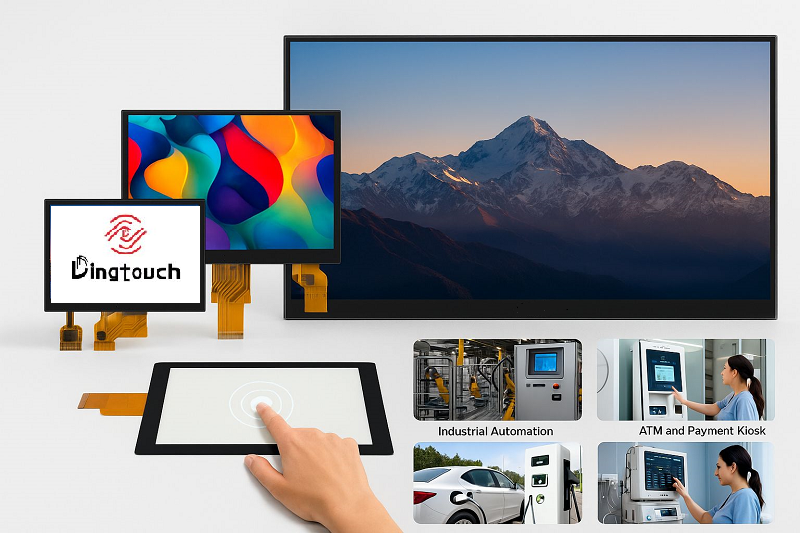
• PCAP maximum size 65”
• Multi-touch (Touch screen can be customized to your needs.)
• Optical bonding service/air bonding
• LCD interface: HDMI/RGB/MIPI/LVDS/EDP, etc.
• PCAP interface: IIC/USB interface
• CTP can customize the cover glass surface treatment process AG (anti-glare), AR (anti-reflection), AF (anti-fingerprint), waterproof, and glove touch
• Supports 0.55 mm-12 mm coverslip touch.
• Support operating temperature: -40℃-90℃.
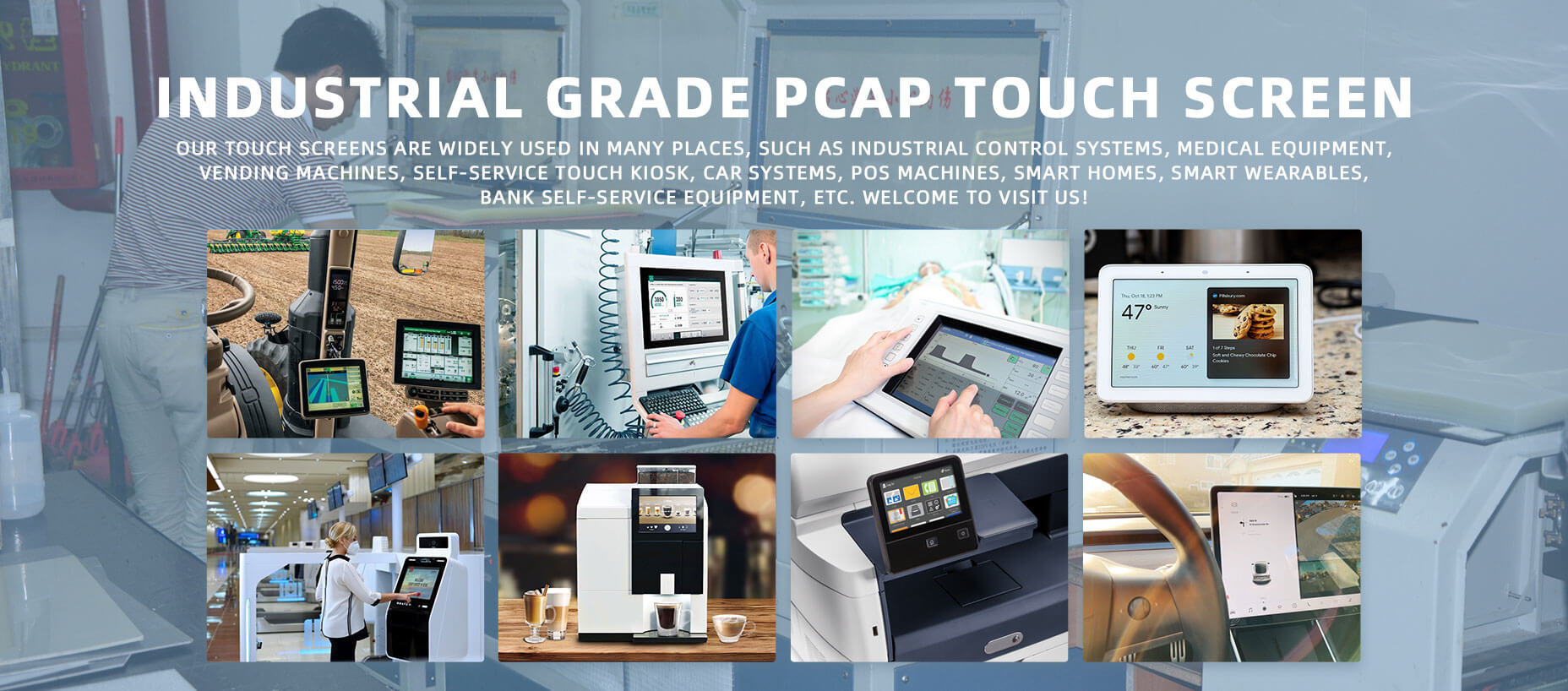
Dingtouch Industrial capacitive touch screen Manufacturer
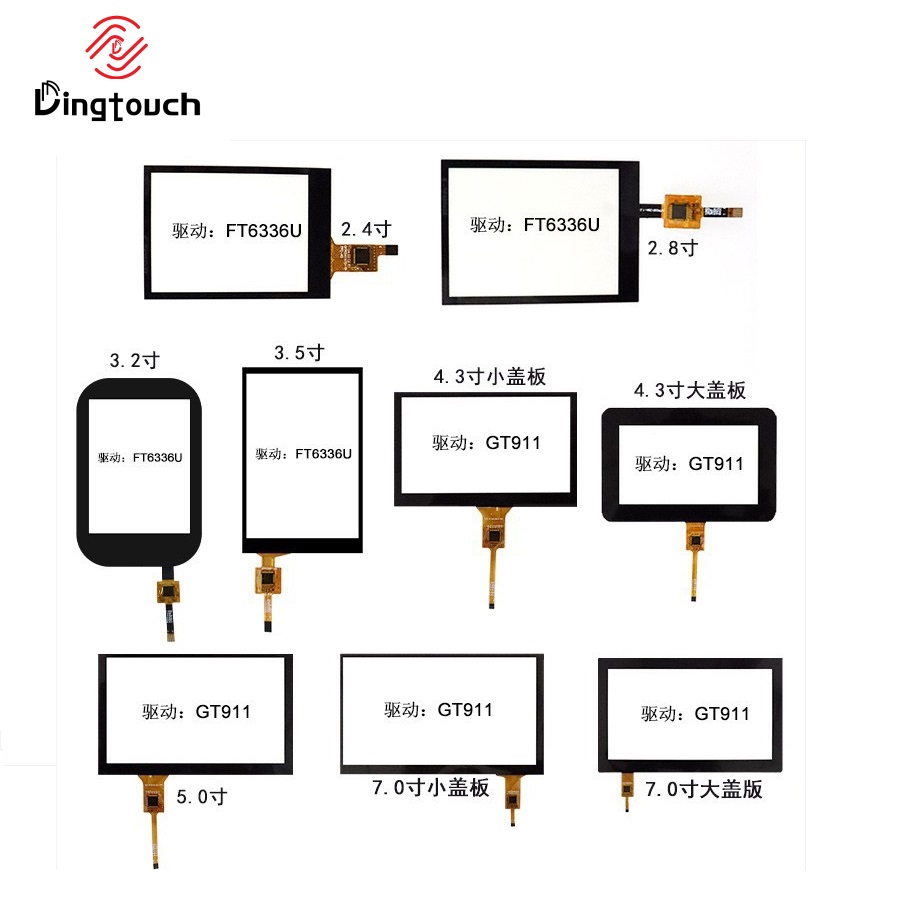
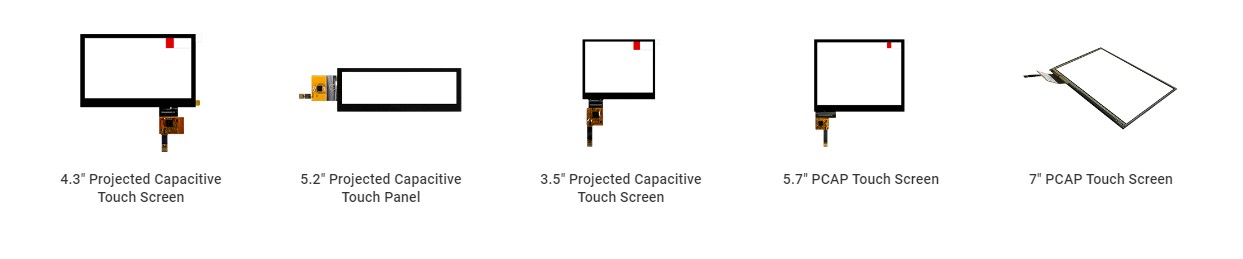
In conclusion, Dingtouch as a professional touch screen manufacturer with more than 10 years touch screen experience.We have many capacitive touch screen. Such as 5 inch touch screen,7 inch touch screen,10.1inch touch screen,15 inch touch screen,15.6 inch touch screen,17 inch touch screen,18.5 inch touch screen,19 inch touch screen,21.5 inch touch screen,32 inch touch screen, However, we also welcome to customize your own touch screen . Contact our team today to learn what capacitive touch screen are best for our retail business needs.
Contact us NOW! sales@szdingtouch.com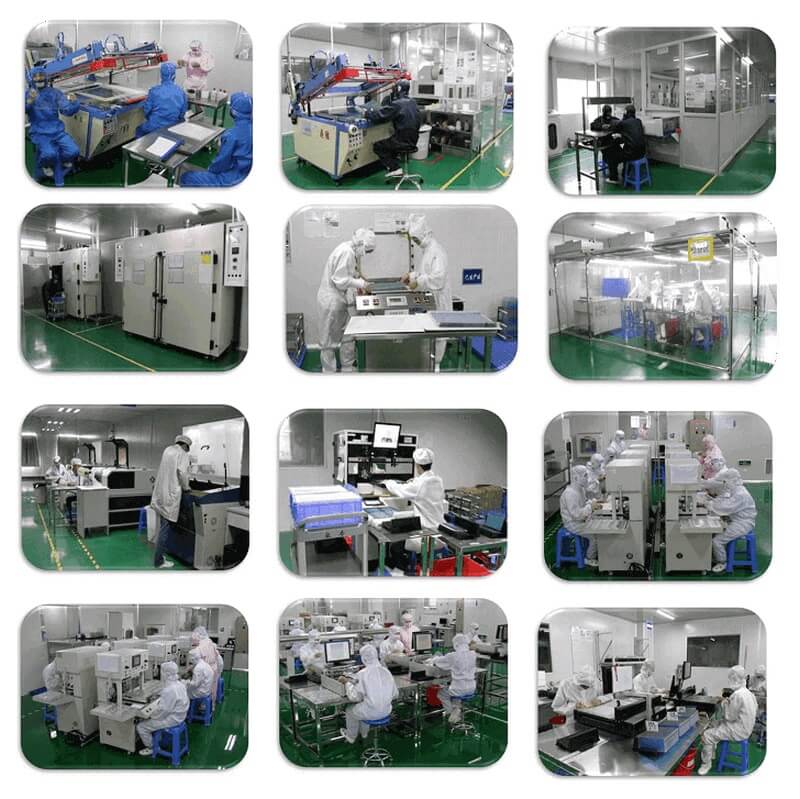
#Medicaltouchscreencalibration, #capacitivetouchcalibrationguide, #IEC60601touchscreen, #DINGTouchmedicaldisplay, #touchscreenaccuracy, #touchscreen driftfix, #medicalequipmenttouchsolutions, #IP65touchpanel, #IK10medicaltouchscreen, #glove touch medical monitor,#ILITEKTouchControllerICSelectionGuide ,#OCAtoOCR #GT911,#CustomizedWideTemperatureTouchScreenSolutions,#Waterproof Touchscreen,
#highbrightnessLCD, #sunlightreadabledisplay,#industrialLCDbacklight, #outdoor displaymodule, #customLCDsolution, #1000–2000nitsdisplay, #DINGTouchtouchscreen.
DINGTouch — Custom Touch Display Solutions Expert
Every touch, clear and precise, ready for any environment.
Every touch, clear and precise, ready for any environment.
CATEGORIES
CONTACT US
Contact: Dingtouch
Phone: +8615815536116
Tel: +8615815536116
Email: sales@szdingtouch.com
Add: Building A, Bailu Plaza, No. 48, Gonghe Industrial Road, Gongle Community, Xixiang Street, Baoan District, Shenzhen,China. 518126
 Dingtouch