News
TFT LCD Display Guide 2026: Industrial & Medical Applications, Trends, and Buying Strategies
 TFT LCD Display Guide 2026: Industrial & Medical Applications, Trends, and Buying Strategies
Table of Contents
- Introduction
- What Is TFT LCD Technology?
- How TFT LCD Displays Work
-
Advantages and Challenges of TFT LCD Displays for B2B Applications
- 4.1 Key Advantages
- 4.2 Common Challenges and Modern Solutions
- Industrial and Medical Applications of TFT LCD Displays
- 2026 TFT LCD Market Trends and Innovations
- How to Choose the Right TFT LCD Display for Your Project
- B2B Purchasing Checklist
- Conclusion
- Frequently Asked Questions (FAQ)

1. Introduction
As industrial automation, smart healthcare, and intelligent equipment continue to evolve in 2026, display technology remains one of the most critical components of human-machine interaction. From factory automation systems and medical imaging devices to agricultural machinery and smart diagnostic equipment, TFT LCD displays continue to dominate the professional display market due to their reliability, stability, and cost efficiency.
For industrial and medical environments, display performance is not simply about image quality—it directly impacts operational safety, production efficiency, diagnostic accuracy, and long-term system reliability. In mission-critical environments where downtime is unacceptable, TFT LCD displays provide the durability and consistency required for continuous operation.
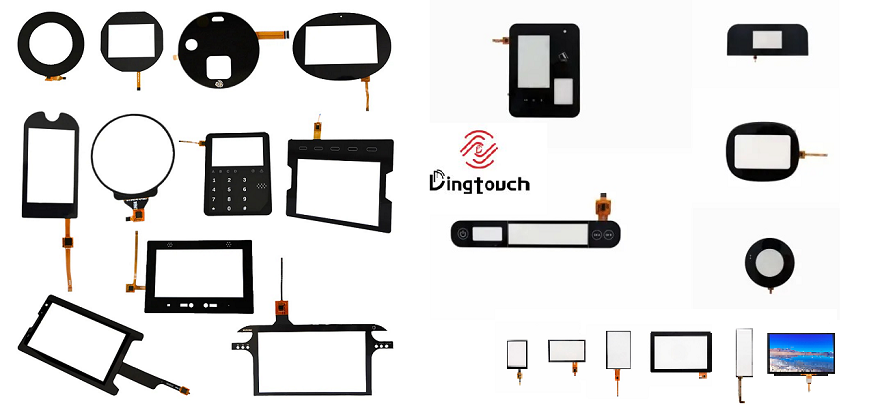
As a professional custom touch display manufacturer, DINGTouch focuses on delivering industrial-grade TFT LCD and capacitive touch solutions for global OEM and B2B customers. With extensive experience in customized display development, DINGTouch provides reliable display modules for industrial control systems, medical devices, automotive equipment, smart terminals, and outdoor applications.
This article explores the core principles of TFT LCD technology, its advantages in industrial and medical applications, the latest market trends for 2026, and practical guidance for selecting the right TFT LCD solution for your business.
2. What Is TFT LCD Technology?
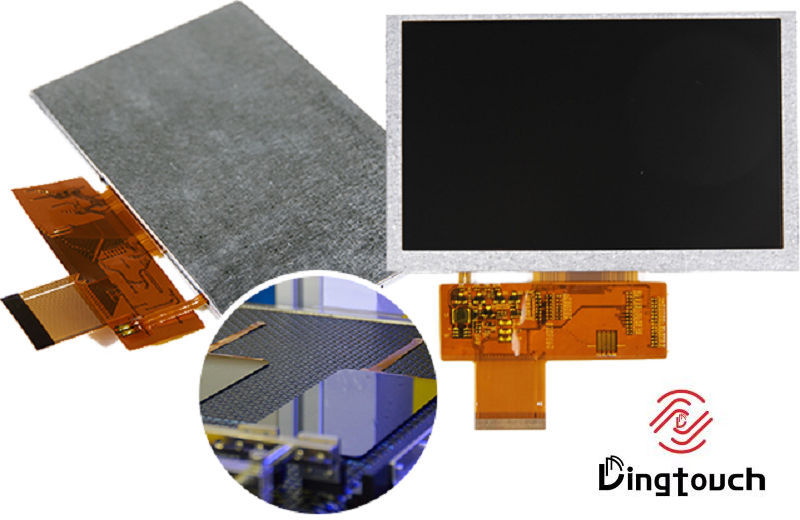
TFT LCD stands for Thin-Film Transistor Liquid Crystal Display. Unlike traditional passive-matrix LCD, TFT technology uses an active-matrix structure where every pixel is controlled independently by thin-film transistors.
This architecture provides several major improvements:
- Faster response times
- Sharper image quality
- Better color consistency
- Higher contrast performance
- Improved motion rendering
- More stable long-term operation
Because each pixel receives precise electrical control, TFT LCD displays are ideal for applications requiring real-time data visualization, graphical interfaces, and continuous operation.
Today, TFT LCD technology is widely used in:
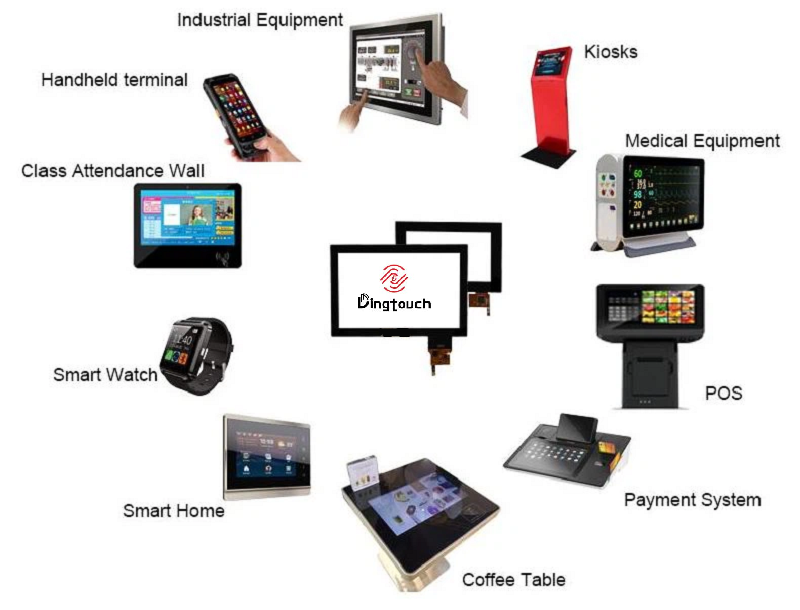
- Industrial HMI systems
- Medical monitoring devices
- Smart manufacturing equipment
- Vehicle dashboards
- Laboratory instruments
- POS terminals
- Portable diagnostic equipment
- Outdoor industrial controllers
Compared with OLED technologies, TFT LCD displays continue to offer stronger long-term reliability, lower burn-in risk, wider industrial temperature support, and better cost control for large-scale B2B deployment.
3. How TFT LCD Displays Work
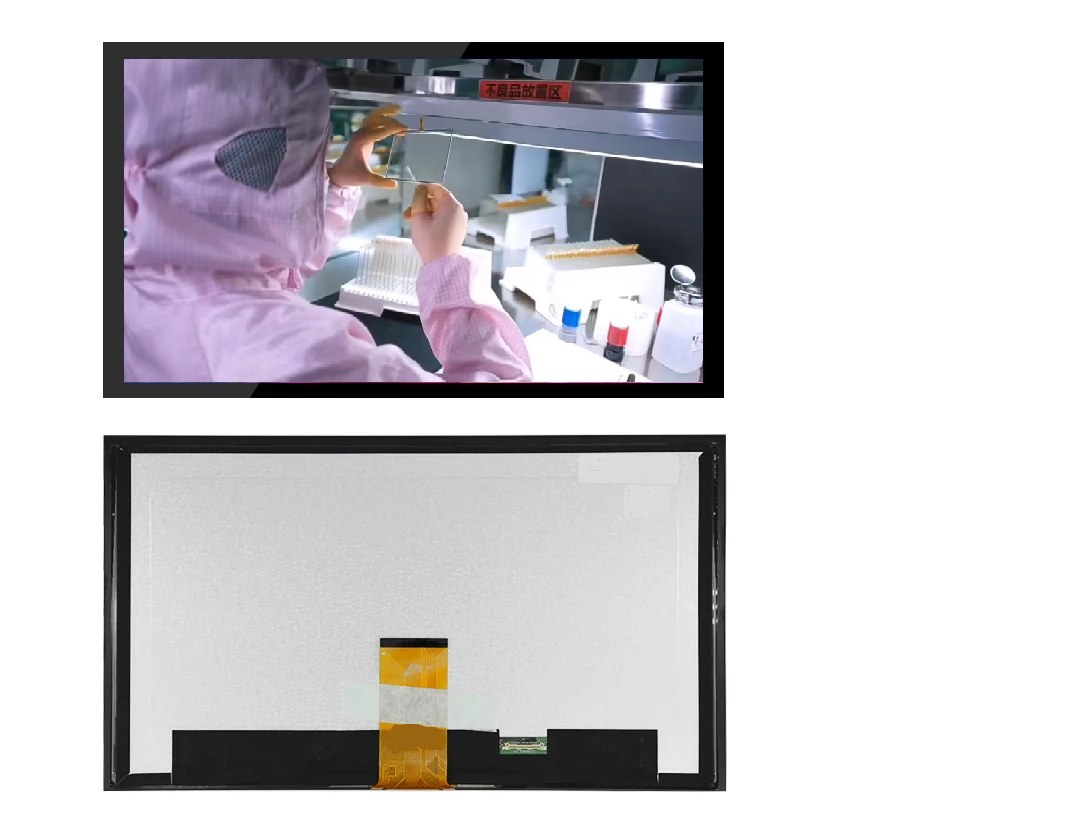
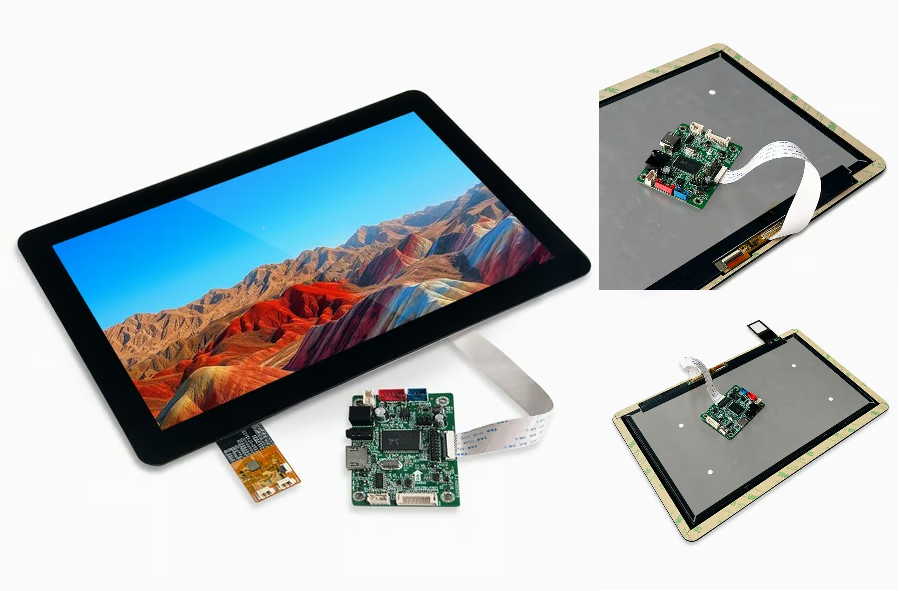
A TFT LCD module consists of several essential layers:
- TFT transistor array
- Liquid crystal layer
- Color filters (RGB subpixels)
- Polarizers
- Glass substrates
- LED backlight system
- Driver IC and interface circuitry
The LED backlight provides illumination behind the LCD panel. Thin-film transistors control the orientation of liquid crystal molecules by applying voltage to each subpixel. This regulates how much light passes through the RGB color filters, creating the final image.
Modern IPS (In-Plane Switching) TFT panels significantly improve viewing angles and color consistency compared with traditional TN panels.
Typical IPS TFT LCD advantages include:
- Viewing angles up to 178°
- Better color reproduction
- Reduced color shifting
- Improved readability in collaborative environments
These benefits are especially important in:
- Surgical operating rooms
- Factory control centers
- Industrial monitoring systems
- Medical imaging equipment
- Multi-user workstations
For industrial operators and medical professionals, improved visibility reduces eye fatigue and improves operational accuracy.
4. Advantages and Challenges of TFT LCD Displays for B2B Applications
4.1 Key Advantages
High Resolution and Image Clarity
Modern TFT LCD displays support resolutions from WVGA to Full HD and even 4K. High-resolution displays enable:
- Detailed data visualization
- Precise medical imaging
- Accurate graphical interfaces
- Better process monitoring
- Improved UI readability
Fast Response Time
Industrial TFT LCD displays typically achieve response times below 20ms, supporting:
- Real-time machine control
- Fast automation cycles
- Dynamic data visualization
- Smooth interface interaction
Long Operational Lifespan
Industrial-grade LED backlight systems commonly exceed:
- 50,000+ hours lifespan
- Stable brightness performance
- Low degradation over time
This significantly reduces maintenance costs and equipment downtime.
Energy Efficiency
Compared with older CCFL-based displays, LED-backlit TFT LCD modules offer:
- Lower power consumption
- Better thermal efficiency
- Uniform brightness distribution
- Reduced system heat generation
Industrial Durability
Industrial TFT LCD modules are designed for harsh environments, supporting:
- Wide temperature operation (-30°C to +85°C)
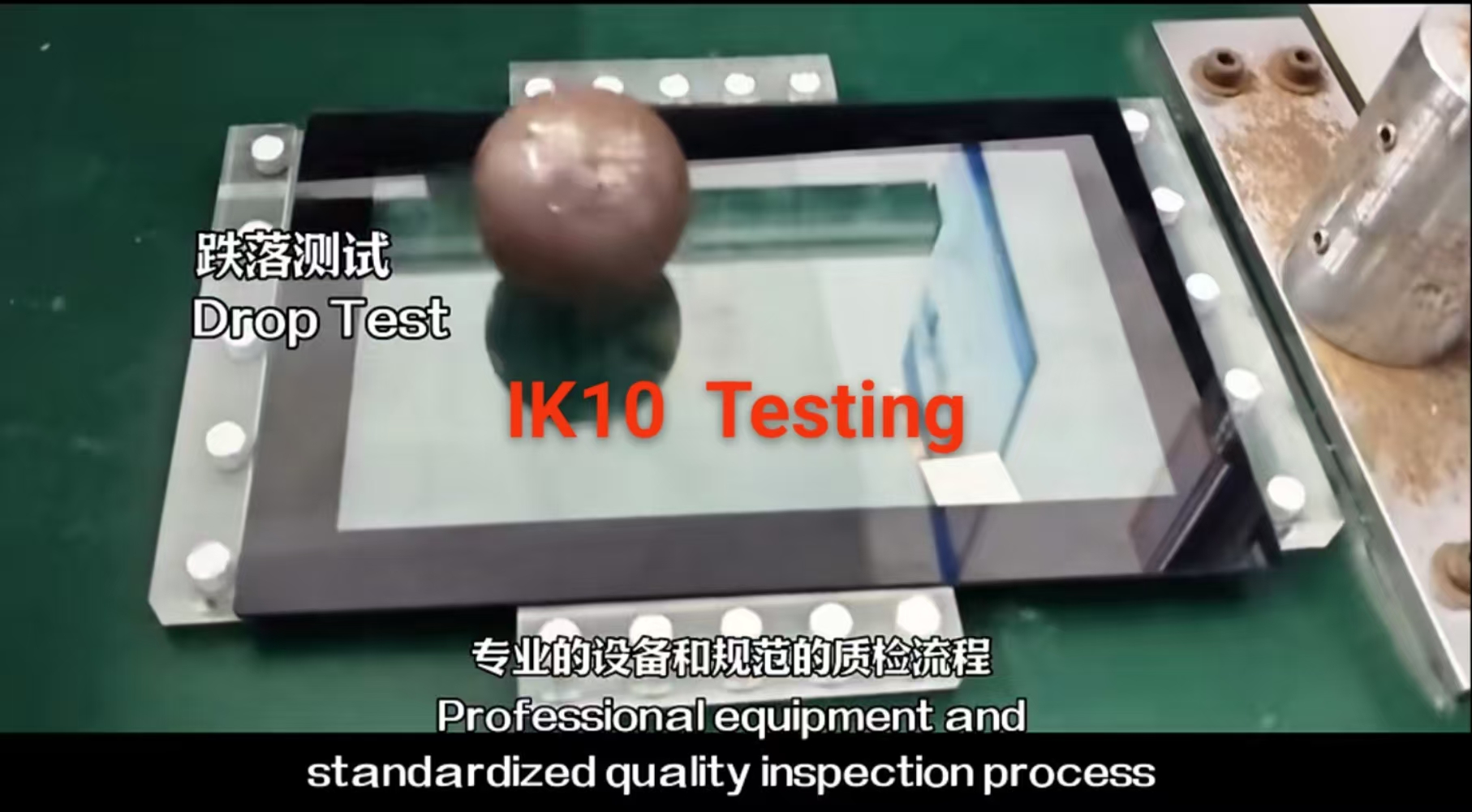
- Vibration resistance
- Shock resistance
- Humidity tolerance
- Continuous 24/7 operation
4.2 Common Challenges and Modern Solutions
Viewing Angle Limitations
Traditional TN panels may experience:
- Narrow viewing angles
- Color shifting
- Contrast inconsistency
Solution:
Modern IPS TFT technology solves these issues with wide-angle visibility and improved color accuracy.
Outdoor Visibility Challenges
Direct sunlight can reduce screen readability.
Solution:
High-brightness TFT LCD modules with:
- 1000–1400 nits brightness
- Optical bonding
- Anti-glare coatings
- Anti-reflection treatment
greatly improve outdoor visibility.
Long-Term Backlight Uniformity
Brightness uniformity may gradually decline over extended use.
Solution:
Professional manufacturers like DINGTouch implement:
- Industrial-grade LED selection
- Strict aging tests
- Backlight optimization
- Long-life driver design
to ensure consistent performance across large-volume deployments.
5. Industrial and Medical Applications of TFT LCD Displays
Industrial Applications
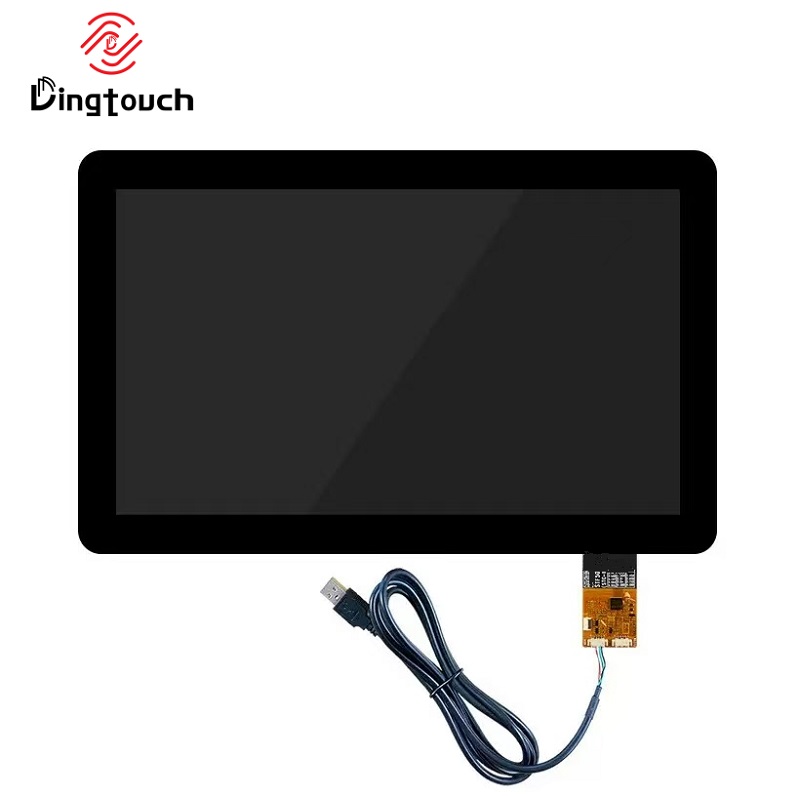
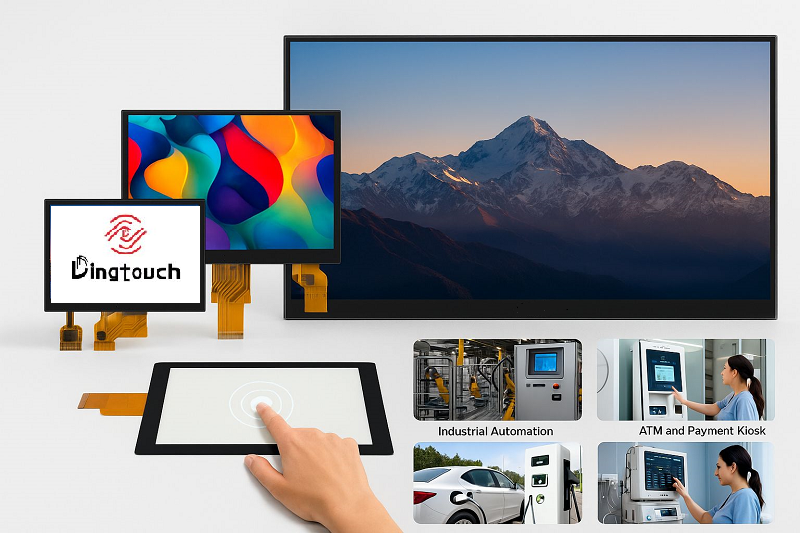
Industrial TFT LCD display are widely used in:
Human-Machine Interface (HMI) Systems
Used for:
- Production line monitoring
- Equipment control
- Process visualization
- Factory automation
Smart Manufacturing Equipment
Including:
- CNC systems
- Robotics
- Packaging machines
- Automated inspection systems
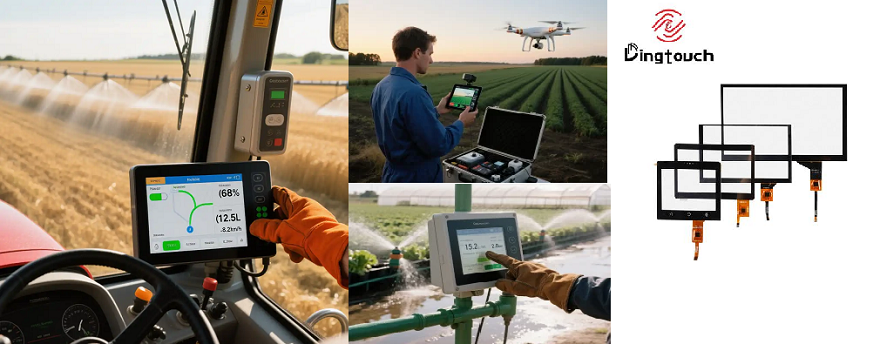
Agricultural and Outdoor Equipment
High-brightness TFT LCD modules improve visibility in:
- Agricultural machinery
- Construction vehicles
- Outdoor terminals
- Mining equipment
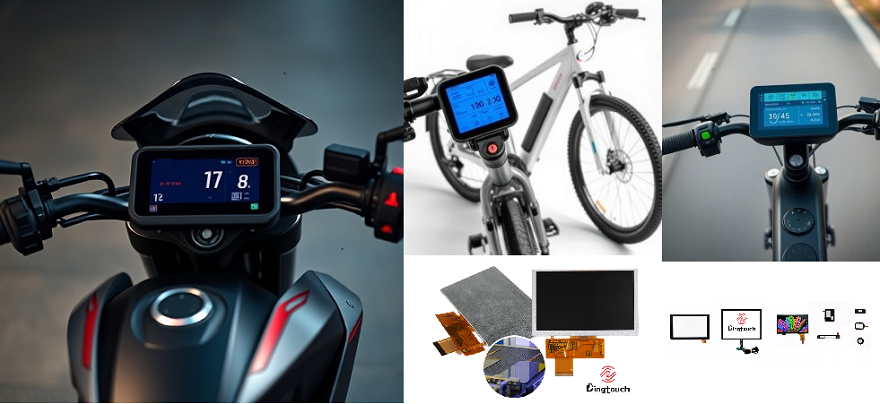
Transportation and EV Systems
Automotive-grade TFT LCD displays support:
- Vehicle dashboards
- Charging systems
- Navigation displays
- Fleet management terminals
Medical Applications
Medical TFT LCD displays require exceptional reliability, safety, and image accuracy.
Applications include:
Patient Monitoring Systems
Clear visualization of:
- Vital signs
- ECG data
- Diagnostic information
Ultrasound and Imaging Equipment
High-resolution IPS displays support:
- Medical imaging precision
- Accurate grayscale performance
- Stable long-term calibration
Surgical Equipment Displays
Wide viewing angles allow multiple medical professionals to view information simultaneously.
Portable Medical Devices
Compact TFT LCD modules are commonly integrated into:
- Portable analyzers
- Mobile monitoring systems
- Diagnostic handheld devices
DINGTouch supports medical-grade display development with strict manufacturing standards and industrial quality control processes suitable for long-term healthcare deployment.
6. 2026 TFT LCD Market Trends and Innovations
The TFT LCD industry continues to evolve rapidly in 2026.
| Trend | Description | Industry Impact |
|---|---|---|
| Higher Resolution Displays | Transition from Full HD to 4K | More detailed visualization |
| MIPI & LVDS Interfaces | Faster compact connectivity | Easier processor integration |
| AI-Enhanced Displays | Adaptive brightness & diagnostics | Improved usability and maintenance |
| Sustainable Manufacturing | Energy-saving designs & recyclable materials | Supports green manufacturing |
| Sunlight Readable Modules | Brightness up to 1400 nits | Expands outdoor applications |
| Optical Bonding Technology | Reduced reflection and improved durability | Better outdoor visibility |
| Ultra-Thin Industrial Displays | Compact embedded integration | More flexible equipment design |
These innovations help OEM manufacturers improve performance while reducing long-term operating costs.
7. How to Choose the Right TFT LCD Display for Your Project
Selecting the right TFT LCD solution requires balancing technical specifications with actual environmental requirements.
Display Size and Resolution
Choose according to application needs:
- 4.3"–7": Portable devices
- 10.1"–15.6": Industrial HMI systems
- 21.5"+: Medical imaging and control stations
Resolution options include:
- 800×480
- 1024×600
- 1280×800
- 1920×1080
- 4K
Brightness Selection
| Environment | Recommended Brightness |
|---|---|
| Indoor medical equipment | 300–500 nits |
| Industrial indoor systems | 500–800 nits |
| Semi-outdoor environments | 800–1000 nits |
| Outdoor direct sunlight | 1000–1400 nits |
Operating Temperature
For harsh environments, select wide-temperature TFT LCD modules supporting:
- -30°C to +85°C
- Condensation resistance
- Thermal stability
Interface Compatibility
Common industrial interfaces include:
- MIPI DSI
- LVDS
- HDMI
- RGB
- eDP
Verify compatibility with your processor platform and embedded system architecture.
Touch Technology Selection
Capacitive Touch
Best for:
- Multi-touch operation
- Modern UI interaction
- Smooth user experience
Resistive Touch
Best for:
- Glove operation
- Wet environments
- Lower-cost industrial systems
Reliability and Certification
For industrial and medical applications, prioritize suppliers with:
- ISO13485 certification
- IATF16949 certification
- Stable component sourcing
- Long-term supply commitment
- Engineering customization capability
8. B2B Purchasing Checklist
| Specification | Recommended Standard |
|---|---|
| Brightness | ≥500 nits indoor / ≥1000 nits outdoor |
| Operating Temperature | -30°C to +85°C |
| Backlight Lifespan | ≥50,000 hours |
| Interface | LVDS / MIPI / HDMI |
| Viewing Angle | IPS 178° |
| Touch Technology | PCAP or RTP |
| Certifications | ISO13485 / IATF16949 |
| Outdoor Readability | Optical bonding + anti-glare |
| Reliability | Industrial-grade components |
9. Conclusion
In 2026, TFT LCD technology continues to prove its value in industrial and medical applications through reliability, durability, and continuous technological refinement.
Whether used in:
- Industrial HMI systems
- Medical monitoring equipment
- Smart manufacturing
- Outdoor machinery
- Vehicle dashboards
- Diagnostic systems
TFT LCD displays remain one of the most dependable and cost-effective display technologies for professional environments.
As global industries demand higher reliability, longer product lifecycles, and more customized display solutions, DINGTouch continues to provide professional industrial and medical TFT LCD solutions backed by stable supply chains, engineering support, and flexible customization services for OEM customers worldwide.
10. Frequently Asked Questions (FAQ)
Q1: What is the difference between TFT LCD and traditional passive LCD technology?
Traditional passive LCD displays refresh more slowly because they lack individual transistor control for each pixel. TFT LCD displays use active-matrix technology, enabling faster response times, sharper images, and more stable visual performance.
Q2: Why is wide-temperature operation important for industrial and medical TFT LCD displays?
Wide-temperature TFT LCD modules maintain stable brightness, contrast, and response performance in harsh environments such as factories, outdoor systems, and medical equipment operating continuously for long periods.
Q3: What brightness level is recommended for outdoor industrial TFT LCD display?
Outdoor industrial applications typically require brightness levels between 1000 and 1400 nits to ensure clear visibility under direct sunlight.
Q4: Which interface is best for modern industrial HMI systems in 2026?
- MIPI DSI: Compact high-speed embedded applications
- LVDS: Stable long-distance transmission
- HDMI: External computing systems and multimedia devices
The best choice depends on your processor platform and system architecture.
Q5: How can B2B buyers evaluate the long-term stability of a TFT LCD supplier?
Buyers should evaluate:
- Manufacturing certifications
- Supply chain stability
- Component sourcing transparency
- Engineering support capability
- Long-term product availability
- Customization experience
- Quality control standards
Reliable suppliers like DINGTouch can provide stable panel sourcing and long-term engineering support for industrial and medical OEM projects.



Ready to Build Your Outdoor Display Solution?
Get in touch with us at sales@szdingtouch.com. Our expert engineers will help you design a cost-effective, tailored solution to meet your project’s exact specifications.
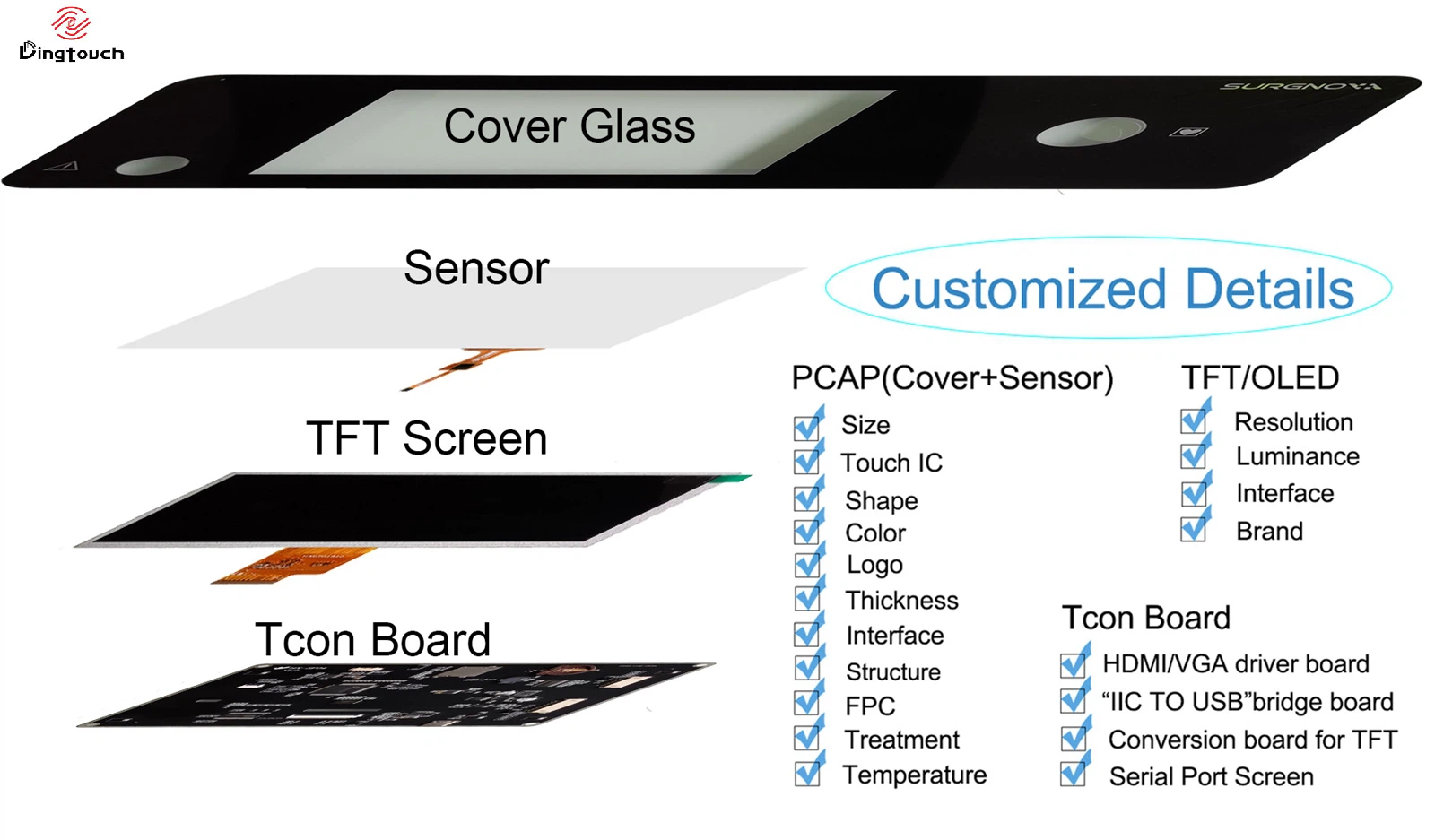
What DINGTOUCH can do:
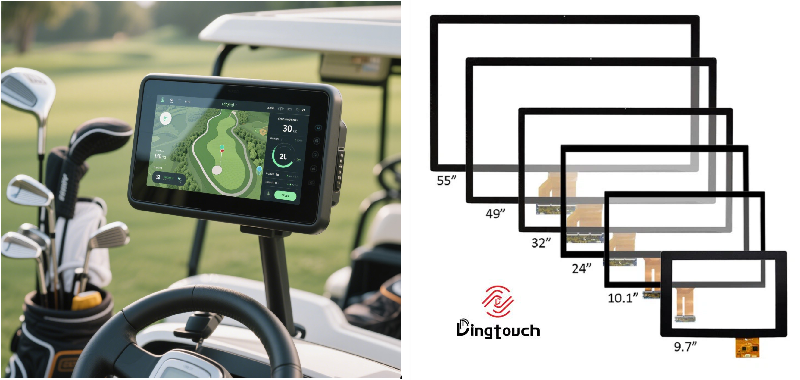
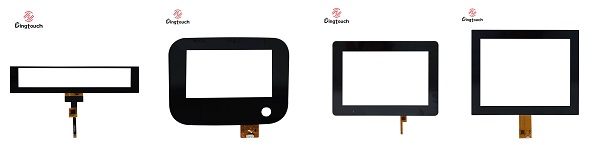
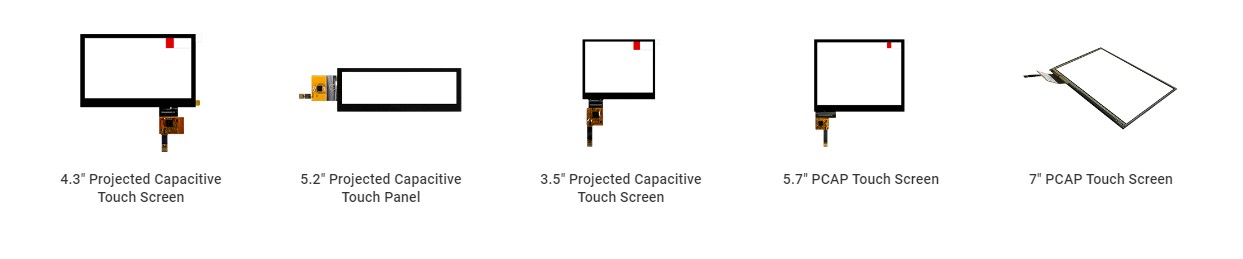
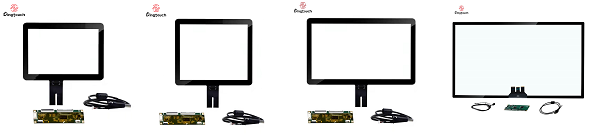
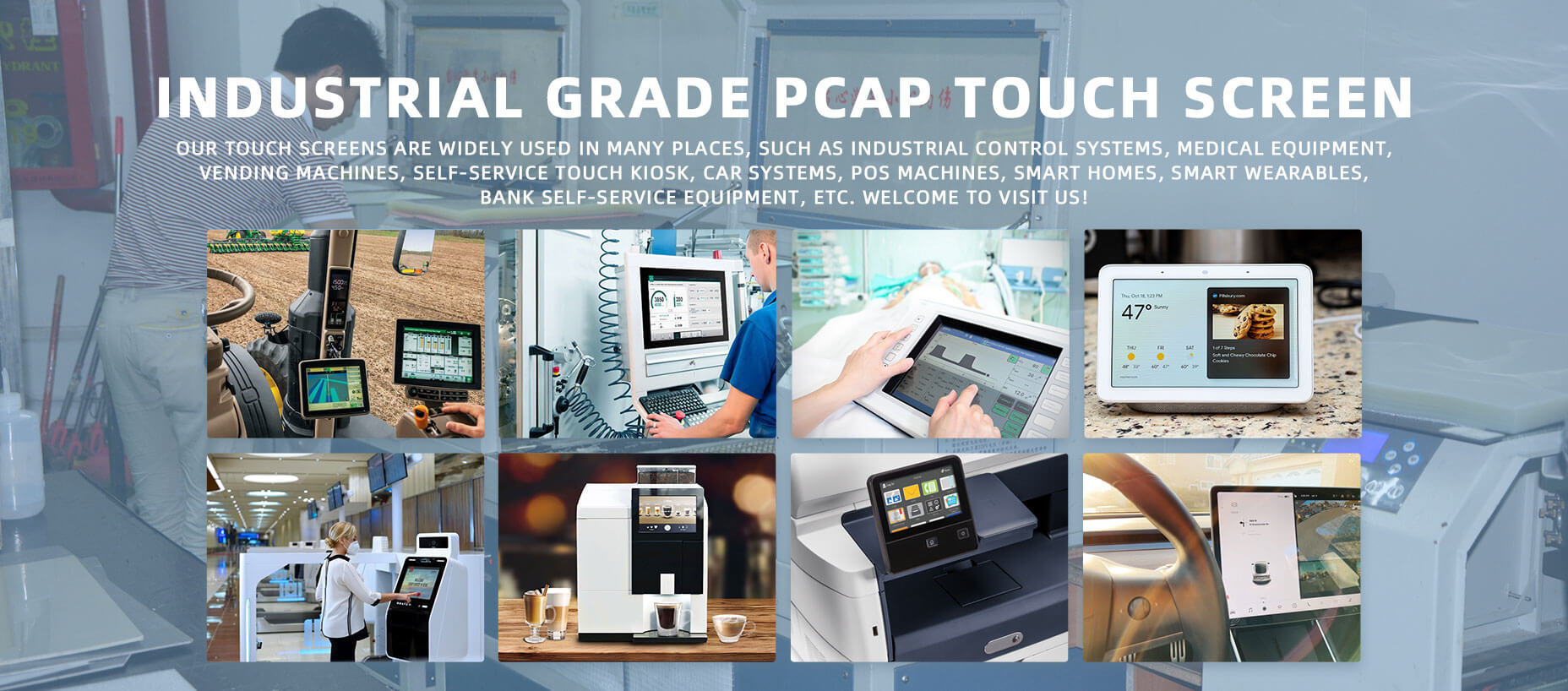
• PCAP maximum size 65”
• Multi-touch (Touch screen can be customized to your needs.)
• Optical bonding service/air bonding
• LCD interface: HDMI/RGB/MIPI/LVDS/EDP, etc.
• PCAP interface: IIC/USB interface
• CTP can customize the cover glass surface treatment process AG (anti-glare), AR (anti-reflection), AF (anti-fingerprint), waterproof, and glove touch
• Supports 0.55 mm-12 mm coverslip touch.
• Support operating temperature: -40℃-90℃.
DINGTouch — Custom Touch Display Solutions Expert
Every touch, clear and precise, ready for any environment.
Every touch, clear and precise, ready for any environment.
RELATED NEWS
- Customer support2021-03-26
- Industrial Touch screen for Kiosks and V2021-04-08
- How are touchscreen manufactured2021-04-09
- Why a Touch Screen Overlay is a Good Ide2021-04-10
- Get Customized Touch Screen Panel in Onl2021-04-13
CATEGORIES
CONTACT US
Contact: Dingtouch
Phone: +8615815536116
Tel: +8615815536116
Email: sales@szdingtouch.com
Add: Building A, Bailu Plaza, No. 48, Gonghe Industrial Road, Gongle Community, Xixiang Street, Baoan District, Shenzhen,China. 518126
 Dingtouch