News
Custom Cover Glass with AG, AR & AF Coating | Industrial Touch Screen Glass Manufacturer | DINGTouch
Custom Cover Glass with AG, AR & AF Coating | Industrial touch screen Glass Manufacturer | DINGTouch
Learn everything about custom cover glass, AG, AR and AF coatings, manufacturing processes, performance comparison, applications, and how to choose the right solution for industrial, medical, marine, and outdoor touch displays.
Custom Cover Glass with AG, AR & AF Coating: The Ultimate Guide for Industrial Display Applications
As industrial displays continue evolving toward brighter, larger, and more demanding environments, cover glass has become much more than a protective layer. It directly influences:
- Display readability
- Touch performance
- Optical clarity
- User experience
- Equipment reliability
- Product aesthetics
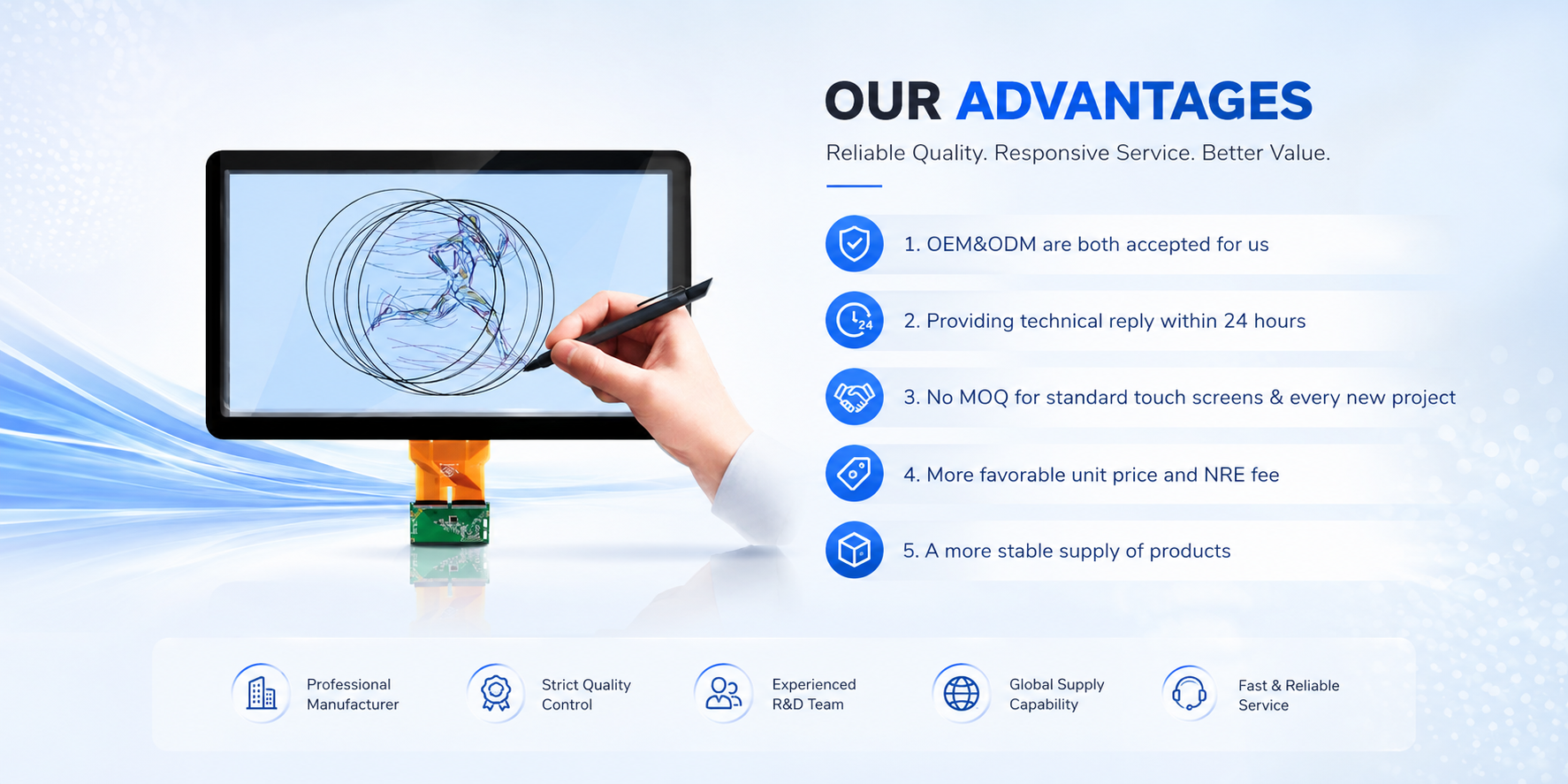
Today's industrial equipment, medical devices, EV chargers, kiosks, marine navigation systems, and outdoor terminals often require custom cover glass combined with AG (Anti-Glare), AR (Anti-Reflection), and AF (Anti-Fingerprint) coatings.
This guide explains everything engineers and purchasing managers need to know before selecting a custom cover glass solution.
What Is Cover Glass?
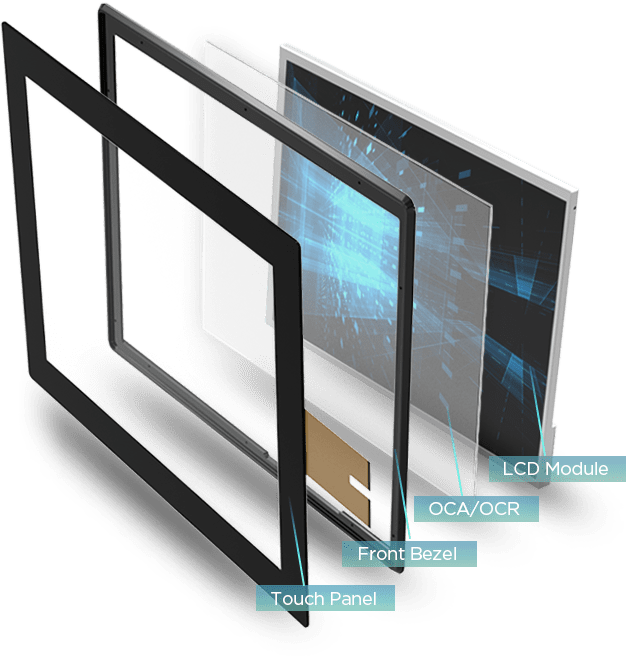
Cover glass is the outermost protective glass installed above a touchscreen or LCD module.
It protects the display against:
- Impact
- Scratches
- Chemicals
- UV exposure
- Moisture
- Dust
- Daily wear
Besides protection, modern cover glass also enhances:
- Optical performance
- Touch sensitivity
- Branding appearance
- Product durability
For industrial applications, cover glass is typically chemically strengthened to achieve exceptional mechanical strength without sacrificing optical clarity.
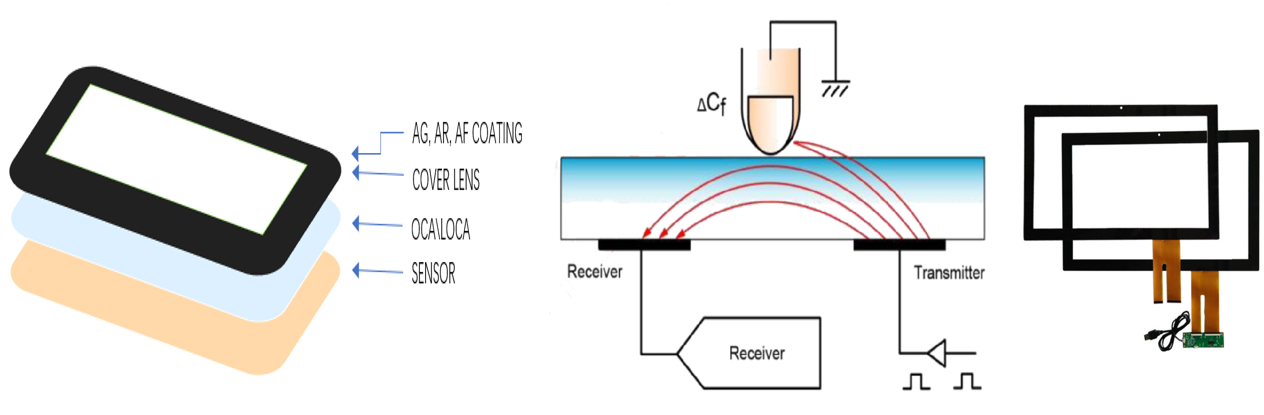
Typical Cover Glass Structure
Custom Cover Glass with AG, AR & AF Coating | industrial touch screen Glass Manufacturer | DINGTouch
Learn everything about custom cover glass, AG, AR and AF coatings, manufacturing processes, performance comparison, applications, and how to choose the right solution for industrial, medical, marine, and outdoor touch displays.
Custom Cover Glass with AG, AR & AF Coating: The Ultimate Guide for Industrial Display Applications
As industrial displays continue evolving toward brighter, larger, and more demanding environments, cover glass has become much more than a protective layer. It directly influences:
- Display readability
- Touch performance
- Optical clarity
- User experience
- Equipment reliability
- Product aesthetics
Today's industrial equipment, medical devices, EV chargers, kiosks, marine navigation systems, and outdoor terminals often require custom cover glass combined with AG (Anti-Glare), AR (Anti-Reflection), and AF (Anti-Fingerprint) coatings.
This guide explains everything engineers and purchasing managers need to know before selecting a custom cover glass solution.
What Is Cover Glass?
Cover glass is the outermost protective glass installed above a touchscreen or LCD module.
It protects the display against:
- Impact
- Scratches
- Chemicals
- UV exposure
- Moisture
- Dust
- Daily wear
Besides protection, modern cover glass also enhances:
- Optical performance
- Touch sensitivity
- Branding appearance
- Product durability
For industrial applications, cover glass is typically chemically strengthened to achieve exceptional mechanical strength without sacrificing optical clarity.
Typical Cover Glass Structure

Why Industrial Equipment Requires Custom Cover Glass
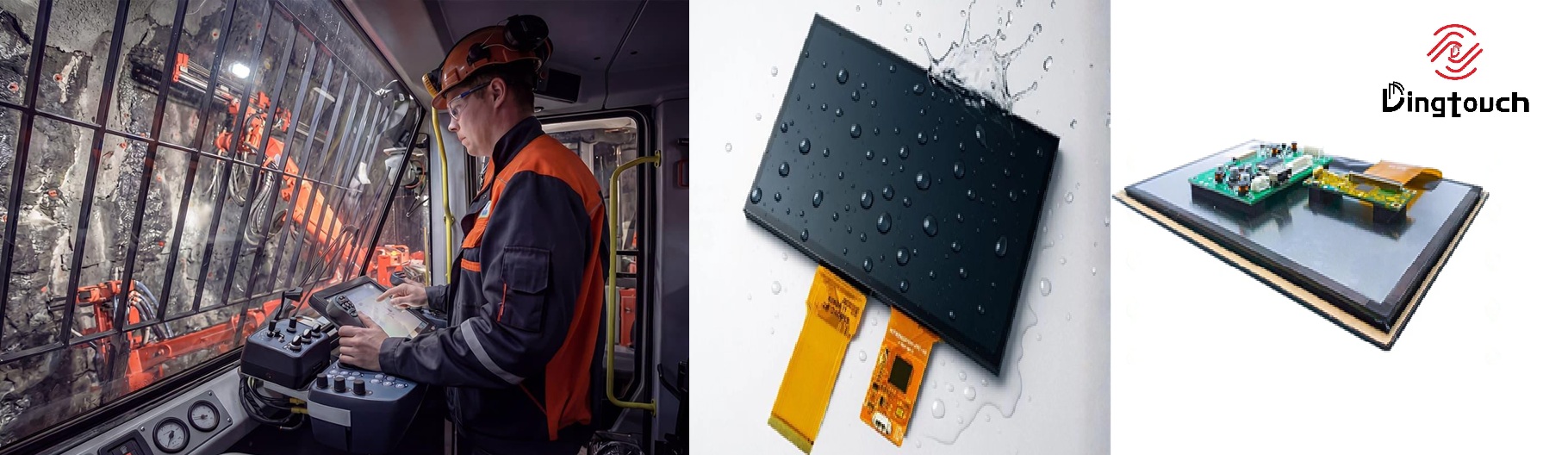
Unlike consumer electronics, industrial equipment must operate under harsh environmental conditions.
Common challenges include:
- Direct sunlight
- High humidity
- Rain
- Salt spray
- Oil contamination
- Glove operation
- Frequent cleaning
- Chemical disinfectants
- Heavy mechanical impact
A standard glass panel cannot reliably meet these requirements.
Custom engineering ensures the glass matches the exact environmental demands.
What Can Be Customized?
Nearly every aspect of cover glass can be tailored.
1. Glass Material
Common options include:
| Material | Advantages | Typical Applications |
|---|---|---|
| Aluminosilicate Glass | High strength | Industrial |
| Soda Lime Glass | Lower cost | Indoor equipment |
| Ultra-clear Glass | Excellent transparency | Medical |
| Dragontrail Glass | Lightweight & durable | Portable devices |
2. Glass Thickness
Typical options include:
| Thickness | Applications |
|---|---|
| 0.55 mm | Wearables |
| 0.7 mm | Handheld devices |
| 1.1 mm | Consumer electronics |
| 2 mm | Industrial HMI |
| 3 mm | Outdoor kiosks |
| 4 mm | Heavy-duty equipment |
| 6 mm | IK10 vandal-resistant systems |
3. Shape
Custom processing includes:
- Rectangle
- Round
- Curved
- 2.5D Edge
- 3D Curved
- Irregular geometry
4. Edge Processing
Options include:
- CNC polishing
- Beveled edge
- Chamfer edge
- Radius corner
- Safety edge
5. Silk Printing
Customized:
- Black borders
- White borders
- Corporate logo
- Icons
- Functional graphics
- Transparent windows
Understanding AG, AR and AF Coatings
These three surface treatments are often combined to maximize display performance.
AG Coating (Anti-Glare)
AG coating creates a microscopic textured surface that diffuses incoming light.
Instead of producing mirror-like reflections, light is scattered.
Benefits include:
- Reduced glare
- Improved readability
- Comfortable viewing
- Better outdoor usability
- Reduced eye fatigue
Typical gloss level:
60–120 GU
Suitable for:
- Industrial control panels
- Medical devices
- Factory HMIs
- POS terminals
AR Coating (Anti-Reflection)
Unlike AG, AR coating does not scatter light.
Instead, it reduces reflection through optical interference.
Benefits include:
- Higher light transmission
- Enhanced image contrast
- Brighter display
- Improved color reproduction
Typical performance:
Reflection reduced from:
4% → below 1%
Light transmission:
89% → 98%
Ideal for:
- High-brightness LCDs
- Outdoor displays
- Marine displays
- Precision instruments
AF Coating (Anti-Fingerprint)
AF coating creates a hydrophobic and oleophobic surface.
It minimizes adhesion of:
- Fingerprints
- Oil
- Sweat
- Cosmetics
- Dirt
Advantages:
- Easier cleaning
- Smooth touch feeling
- Improved durability
- Better appearance
- Lower maintenance
This coating is especially important for public interactive equipment.
AG vs AR vs AF Comparison
| Feature | AG | AR | AF |
|---|---|---|---|
| Reduce glare | ★★★★★ | ★★★ | ★ |
| Reduce reflection | ★★ | ★★★★★ | ★ |
| Increase transmission | ★ | ★★★★★ | ★ |
| Fingerprint resistance | ★ | ★ | ★★★★★ |
| Outdoor visibility | ★★★★ | ★★★★★ | ★★★ |
| Easy cleaning | ★ | ★ | ★★★★★ |
Can AG, AR and AF Be Combined?
Yes.
Most premium industrial displays use:
AG + AR + AF
This combination delivers:
- Minimal reflection
- Low glare
- Smooth touch
- Fingerprint resistance
- Excellent optical performance
It represents the highest-end surface treatment currently used in industrial touch displays.
Optical Performance Comparison
| Surface | Reflection | Transmission | Fingerprints | Outdoor Visibility |
|---|---|---|---|---|
| Standard Glass | High | 91% | Heavy | Fair |
| AG | Medium | 89–91% | Medium | Good |
| AR | Very Low | 97–98% | Medium | Excellent |
| AF | High | 91% | Very Low | Good |
| AG+AR+AF | Extremely Low | 96–98% | Excellent | Outstanding |
Chemical Strengthening Process
Industrial cover glass typically undergoes ion-exchange strengthening.
Process:
- Cut glass
- CNC machining
- Edge polishing
- Silk printing
- Chemical strengthening
- AG treatment
- AR coating
- AF coating
- Inspection
- Optical bonding
The result is significantly improved impact resistance while maintaining excellent optical quality.
Environmental Performance
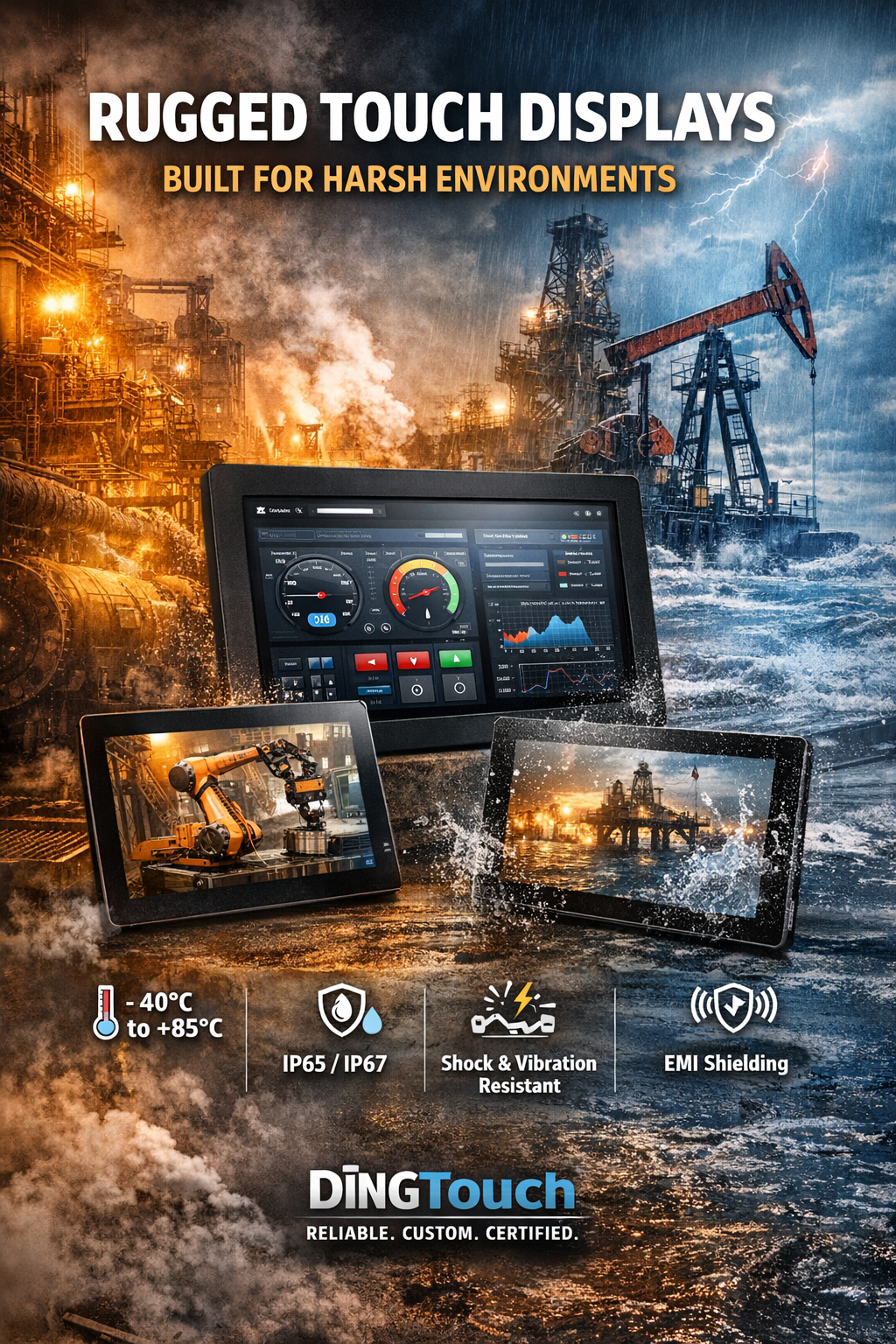
Custom cover glass can support:
- UV resistance
- Salt spray resistance
- Chemical resistance
- Alcohol cleaning
- Hydrogen peroxide cleaning
- Waterproof sealing
- High humidity
- Wide operating temperature
Typical range:
-30°C to +80°C
or
-40°C to +85°C
Industries Using Custom Cover Glass
Industrial Automation
- PLC controllers
- HMI terminals
- CNC equipment
Requirements:
- Glove touch
- Scratch resistance
- Chemical resistance
Medical Equipment
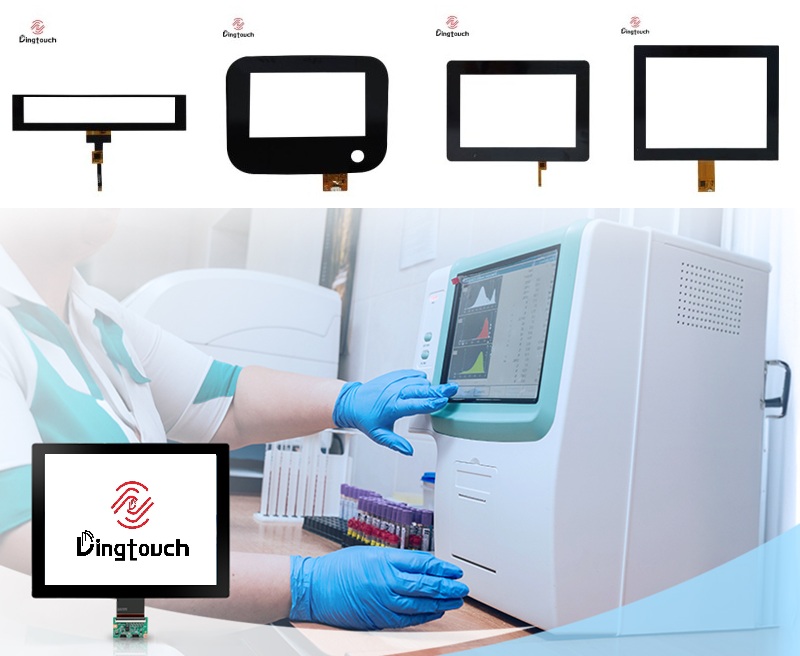
- Patient monitors
- Diagnostic systems
- Ultrasound equipment
Requirements:
- Optical clarity
- Easy sterilization
- Anti-fingerprint coating
Marine Electronics
- Navigation displays
- Radar systems
- Fish finders
Requirements:
- Salt spray resistance
- High brightness
- AR coating
Outdoor Self-Service Equipment
- EV chargers
- Ticket kiosks
- ATM
- Parking systems
Requirements:
- Sunlight readability
- Weather resistance
- Vandal protection
Smart Retail
- POS terminals
- Self-checkout
- Interactive displays
Requirements:
- Premium appearance
- Easy cleaning
- Smooth touch
Design Considerations Before Manufacturing
Engineers should confirm:
- LCD size
- Touch technology
- Glass thickness
- Cover lens dimensions
- Silk printing artwork
- Logo location
- Surface treatment
- Optical bonding method
- Mounting structure
- Environmental rating
- IK impact level
- IP protection level
Future Trends
The next generation of industrial cover glass is moving toward:
- Ultra-low reflection coatings
- Nano-textured AG surfaces
- Self-healing coatings
- Antimicrobial coatings
- Anti-bacterial AF layers
- Smart privacy glass
- Embedded LED indicators
- Integrated NFC windows
- Laser-etched functional icons
- Sustainable, low-carbon glass processing
These innovations will enable more durable, hygienic, and intelligent human–machine interfaces across industrial and commercial applications.
Why Choose DINGTouch for Custom Cover Glass?
DINGTouch provides end-to-end custom cover glass solutions tailored to industrial and commercial display applications.
Our capabilities include:
- Custom sizes from 0.96" to 65"
- CNC glass machining
- AG, AR, AF, and AG+AR+AF surface treatments
- Chemical strengthening
- Silk screen printing with custom logos and icons
- 2.5D and 3D cover glass processing
- Optical bonding (OCA)
- Integration with PCAP touch panels and TFT LCD modules
- Support for IK-rated and IP-rated designs
- Prototype development through mass production
Whether your project targets medical devices, industrial HMI, marine electronics, EV charging stations, or outdoor kiosks, DINGTouchcan deliver a complete customized cover glass solution engineered for performance, reliability, and long service life.
Frequently Asked Questions (FAQ)
Q1. What is the difference between AG and AR coating?
AG (Anti-Glare) diffuses incoming light to reduce glare, making displays more comfortable to view under bright ambient lighting. AR (Anti-Reflection) minimizes surface reflections through optical interference, increasing light transmission and improving image clarity. Many industrial applications benefit from combining both.
Q2. Can AG, AR, and AF coatings be applied together?
Yes. A multilayer AG + AR + AF solution offers reduced glare, lower reflection, improved optical clarity, and excellent fingerprint resistance, making it a preferred choice for premium industrial touch displays.
Q3. Which glass thickness is recommended for industrial equipment?
The appropriate thickness depends on the mechanical requirements. Typical industrial designs use 2–3 mm chemically strengthened glass, while vandal-resistant systems requiring IK10 protection commonly use 6 mm cover glass.
Q4. Does surface coating affect touch sensitivity?
When properly engineered, AG, AR, and AF coatings have minimal impact on projected capacitive (PCAP) touch performance. Proper controller tuning and optical bonding help maintain high touch accuracy and responsiveness.
Q5. Can custom cover glass include logos, icons, and irregular shapes?
Yes. Custom cover glass can be manufactured with silk-screen printed borders, company logos, transparent display windows, button icons, CNC-cut openings, and custom shapes to match the industrial design of your product.
At DINGTOUCH, we are the world's leading touchscreen manufacturer, helping businesses around the world take advantage of this exciting technology. For more information, please visit the home page now.
DINGTouch is a company specializing in the R&D and production of touch screen technology, headquartered in Shenzhen, China. As a professional touch screen supplier, DINGTouch is committed to providing high-quality, stable and reliable touch screen products to meet the diverse needs of customers. We continue to carry out technological innovation and product optimization to ensure that its touch screen products have good sensitivity, accuracy and durability.
In addition to the products themselves, we also focus on cooperation and communication with customers, and are committed to providing customized solutions and excellent after-sales services. Through continuous efforts to improve product quality and customer satisfaction, we have established a good reputation in the touchscreen industry and won widespread market recognition.
In addition to the products themselves, we also focus on cooperation and communication with customers, and are committed to providing customized solutions and excellent after-sales services. Through continuous efforts to improve product quality and customer satisfaction, we have established a good reputation in the touchscreen industry and won widespread market recognition.
What DINGTOUCH can do:
• PCAP maximum size 65”
• Multi-touch (Touch screen can be customized to your needs.)
• Optical bonding service/air bonding
• LCD interface: HDMI/RGB/MIPI/LVDS/EDP, etc.
• PCAP interface: IIC/USB interface
• CTP can customize the cover glass surface treatment process AG (anti-glare), AR (anti-reflection), AF (anti-fingerprint), waterproof, and glove touch
• Supports 0.55 mm-12 mm coverslip touch.
• Support operating temperature: -40℃-90℃.
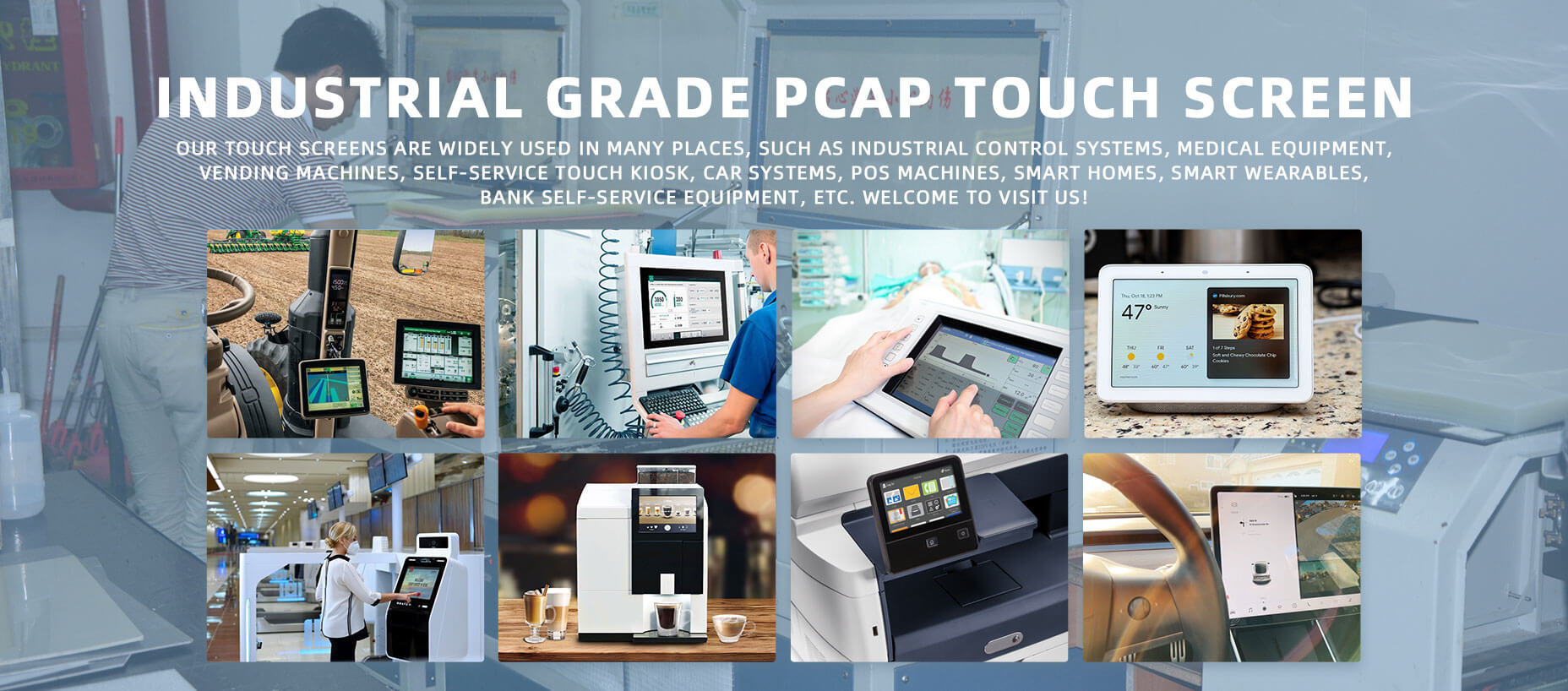
Dingtouch Industrial capacitive touch screen Manufacturer
In conclusion, Dingtouch as a professional touch screen manufacturer with more than 10 years touch screen experience.We have many capacitive touch screen. Such as 5 inch touch screen,7 inch touch screen,10.1inch touch screen,15 inch touch screen,15.6 inch touch screen,17 inch touch screen,18.5 inch touch screen,19 inch touch screen,21.5 inch touch screen,32 inch touch screen, However, we also welcome to customize your own touch screen . Contact our team today to learn what capacitive touch screen are best for our retail business needs.
Contact us NOW! sales@szdingtouch.com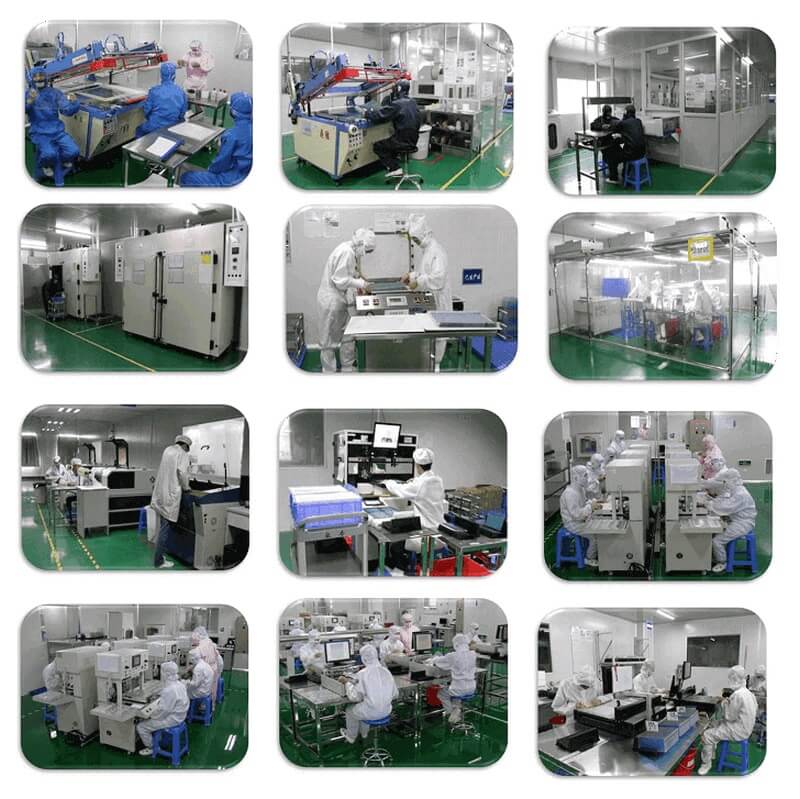
#Medicaltouchscreencalibration, #capacitivetouchcalibrationguide, #IEC60601touchscreen, #DINGTouchmedicaldisplay, #touchscreenaccuracy, #touchscreen driftfix, #medicalequipmenttouchsolutions, #IP65touchpanel, #IK10medicaltouchscreen, #glove touch medical monitor,#ILITEKTouchControllerICSelectionGuide ,#OCAtoOCR #GT911,#CustomizedWideTemperatureTouchScreenSolutions,#Waterproof Touchscreen,
#highbrightnessLCD, #sunlightreadabledisplay,#industrialLCDbacklight, #outdoor displaymodule, #customLCDsolution, #1000–2000nitsdisplay, #DINGTouchtouchscreen.
DINGTouch — Custom Touch Display Solutions Expert
Every touch, clear and precise, ready for any environment.
Every touch, clear and precise, ready for any environment.
CATEGORIES
CONTACT US
Contact: Dingtouch
Phone: +8615815536116
Tel: +8615815536116
Email: sales@szdingtouch.com
Add: Building A, Bailu Plaza, No. 48, Gonghe Industrial Road, Gongle Community, Xixiang Street, Baoan District, Shenzhen,China. 518126
 Dingtouch