News
TFT vs. IPS Display: Understanding the Key Differences for Smarter Design Decisions
TFT vs. IPS Display: Understanding the Key Differences for Smarter Design Decisions
When selecting electronic devices such as smartphones, tablets, or industrial monitors, you’ll often encounter terms like TFT and IPS describing the display type. Both belong to the LCD (Liquid Crystal Display) family, yet they differ in performance, image quality, and viewing experience.
For engineers, manufacturers, and product designers, understanding the differences between these display technologies is essential for making the right design and purchasing decisions. This guide from DINGTouch—a leading developer of custom touch display solutions—explores the principles, advantages, limitations, and applications of TFT and IPS displays across industries.
Understanding the Basics of LCD Technology
To appreciate the differences between TFT and IPS, it’s important to first understand how LCD technology operates.
LCDs use liquid crystals to regulate how much light passes through layers of polarizers, color filters, and electrodes. These crystals don’t emit light; instead, they control the backlight to generate brightness and color.
The way liquid crystals are oriented and moved defines how an image appears on screen. Technologies like Twisted Nematic (TN) and In-Plane Switching (IPS) differ in how they manipulate these molecules—directly impacting performance and viewing characteristics.
 What is a TFT Display?
TFT (Thin-Film Transistor) refers to an active-matrix LCD that integrates tiny transistors into each pixel. Each transistor acts as an independent switch, controlling voltage and improving precision and response speed.
TFT technology marked a major leap forward from earlier passive-matrix LCDs, enabling faster refresh rates and better color stability. Today, “TFT display” often refers to TFT-TN (Twisted Nematic) panels—the most common and cost-effective type.
How TFT (TN) Displays Work
In a TFT-TN display, the liquid crystal molecules twist by 90° when no voltage is applied. Once voltage is applied, they untwist, allowing light to pass through at varying levels. This mechanism ensures quick pixel transitions—ideal for fast-moving graphics.
However, the vertical alignment of TN crystals limits viewing angles and color consistency, resulting in image distortion when viewed from off-center positions.
 What is an IPS Display?
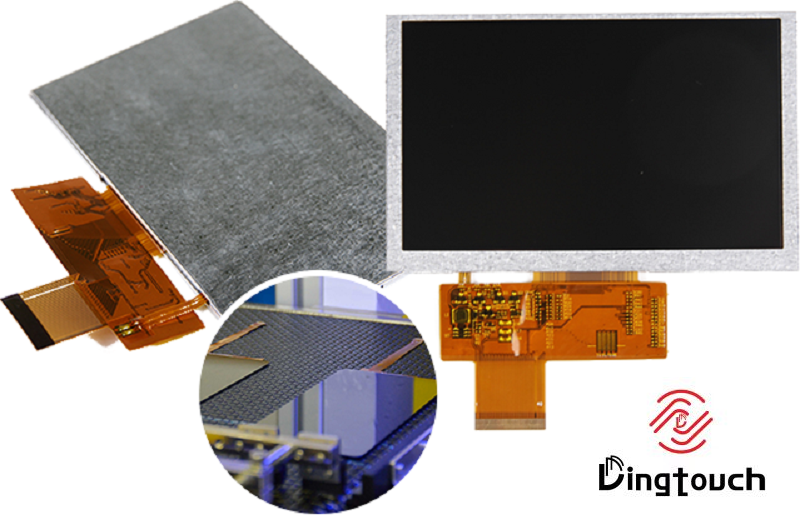
IPS (In-Plane Switching) is an advanced form of TFT-LCD developed to overcome TN’s limitations. In IPS panels, liquid crystal molecules are aligned parallel to the display surface, and when voltage is applied, they rotate horizontally rather than vertically.
This lateral switching provides wider viewing angles, richer color reproduction, and better contrast uniformity. As a result, IPS panels are the preferred choice for applications demanding high image fidelity—such as medical imaging, automotive displays, smart home control panels, and industrial HMI systems.
Key Differences Between TFT and IPS Display
| Feature | TFT (TN) | IPS |
|---|---|---|
| Viewing Angle | Narrow (colors shift off-axis) | Wide (up to 178° with stable colors) |
| Color Accuracy | Limited color depth, possible color shift | Excellent accuracy and consistency |
| Response Time | Fast, ideal for rapid transitions | Slightly slower, but improving with new tech |
| Power Consumption | Lower, more efficient | Slightly higher due to lateral crystal alignment |
| Production Cost | Lower, suitable for mass-market devices | Higher due to complex structure |
| Visual Performance | Sharp but angle-sensitive | Stable contrast and clarity from any angle |
Applications Across Industries
Both TFT and IPS displays serve distinct market needs.
TFT (TN) Display Are Commonly Used In:
- Industrial control systems and factory automation panels
- Budget smartphones, handheld terminals, and POS devices
- Vehicle dashboards and instrumentation
- Outdoor or ruggedized equipment where durability matters
Their low cost, high response speed, and robust design make them ideal for practical, data-focused interfaces.
IPS Displays Are Preferred For:
- High-end smartphones and tablets
- Professional design and medical monitors
- Automotive infotainment and marine navigation systems
- Smart home panels, wearable devices, and advanced HMI applications
With superior color precision and wider viewing angles, IPS delivers a premium, immersive visual experience.
 Technological Evolution and Hybrid Variants
The display industry is continuously innovating, narrowing the gap between TFT and IPS. New panel structures and materials have enhanced both technologies:
- PLS (Plane-to-Line Switching) – Samsung’s improved IPS version for better brightness and cost efficiency.
- AHVA (Advanced Hyper-Viewing Angle) – AU Optronics’ IPS-like design for improved wide-angle performance.
- LTPS (Low-Temperature Poly-Silicon) TFT – Enables higher pixel density and lower power consumption, common in mobile devices.
These advancements allow TFT and IPS display to coexist and evolve, meeting diverse application requirements across industrial, commercial, and consumer markets.
Choosing the Right Display for Your Product
When deciding between TFT and IPS, consider the following factors:
- Budget: TFT is more cost-effective for large-scale production.
- Image Quality: IPS offers superior visuals for professional or interactive use.
- Operating Environment: TFT performs better in high-temperature or outdoor conditions.
- Power Efficiency: TFT is more suitable for battery-driven devices.
- User Experience: IPS ensures optimal color and readability for advanced interfaces.
Ultimately, the ideal display depends on the balance between performance, cost, and design intent.
The Future of LCD Display Technology
Despite the emergence of OLED and MicroLED, TFT and IPS LCD remain dominant thanks to their mature manufacturing ecosystems and cost advantages.
Ongoing improvements in backlight technology, transmittance efficiency, and driver IC performance continue to elevate both display types—resulting in brighter, thinner, and more power-efficient panels.
As industries embrace digital transformation and smarter HMI interfaces, both TFT and IPS displays will play key roles in enabling innovation across embedded systems, industrial automation, and consumer electronics.
Conclusion
The difference between TFT and IPS displays lies in how their liquid crystals are structured and controlled—impacting color accuracy, viewing angles, and power efficiency.
- TFT (TN) panels offer affordability, speed, and rugged reliability.
- IPS panels deliver vibrant, lifelike visuals and superior viewing comfort.
Both technologies continue to evolve, each suited to distinct applications from industrial control equipment to high-end consumer devices. Understanding their unique benefits helps designers and manufacturers choose the optimal solution for every project.
DINGTouch: Turning Display Innovation from Concept to Reality
DINGTouch is dedicated to helping customers bring electronic product ideas to life through advanced custom touch display solutions.
We offer:
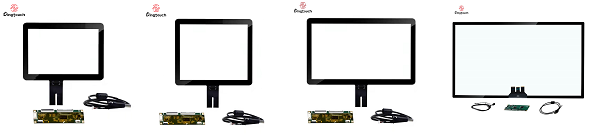
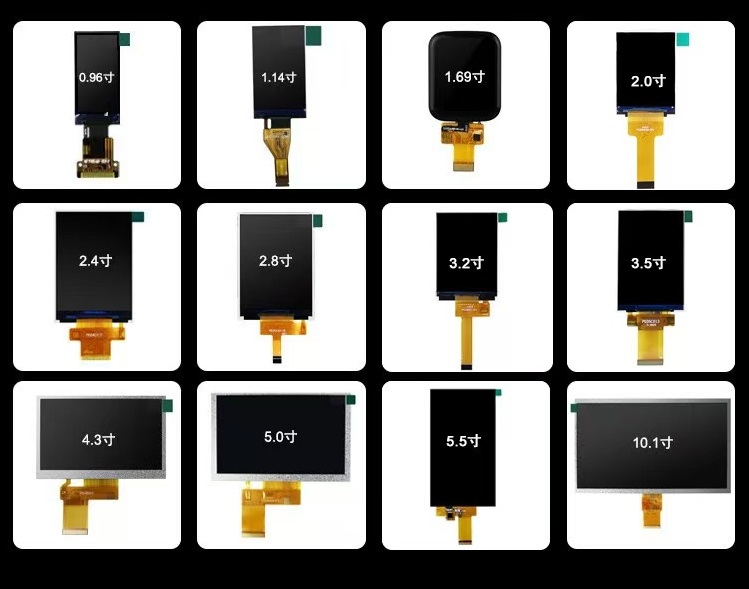
- Customized Touch Display Solutions (sizes from 2.8” to 65”)
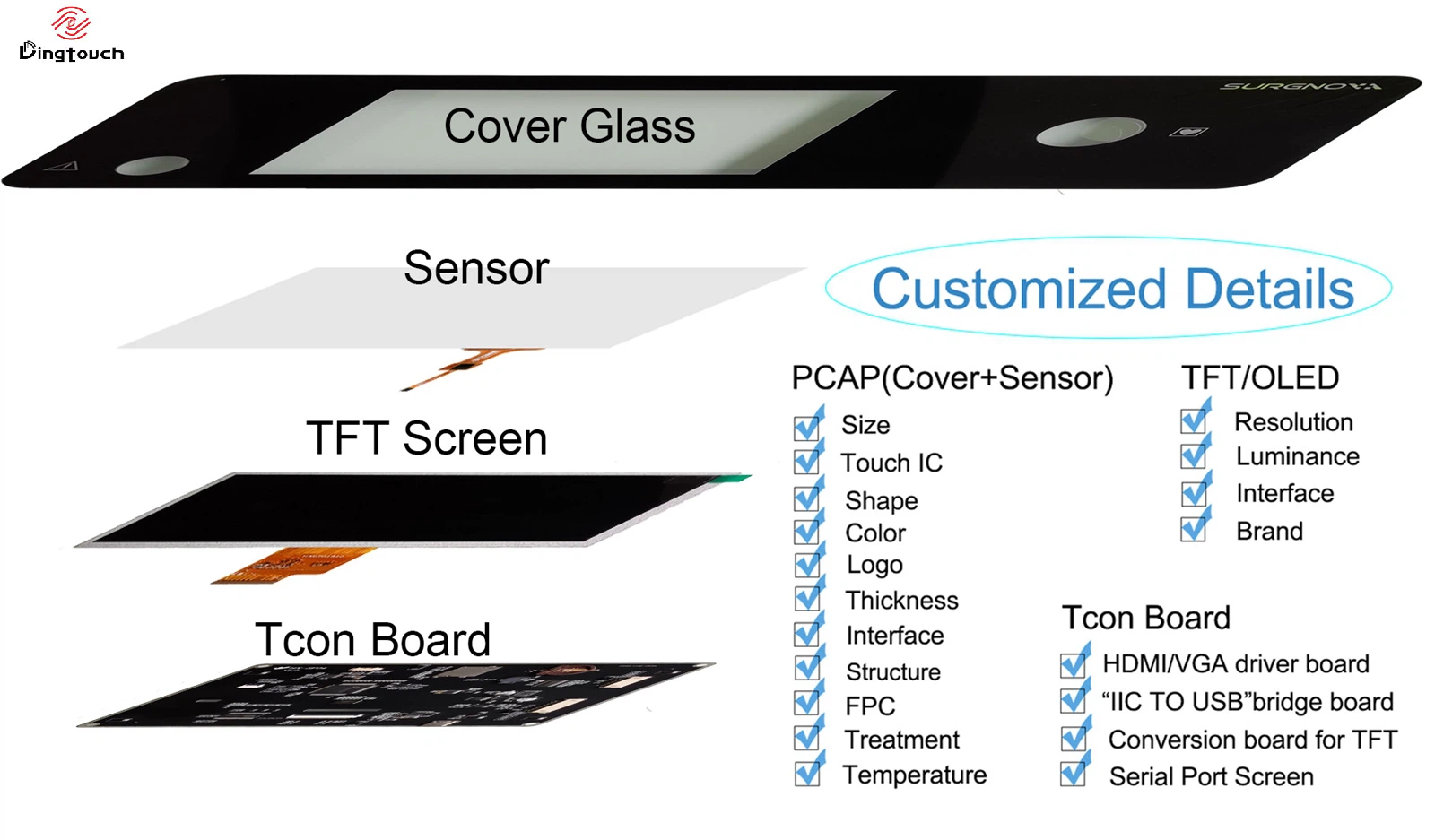
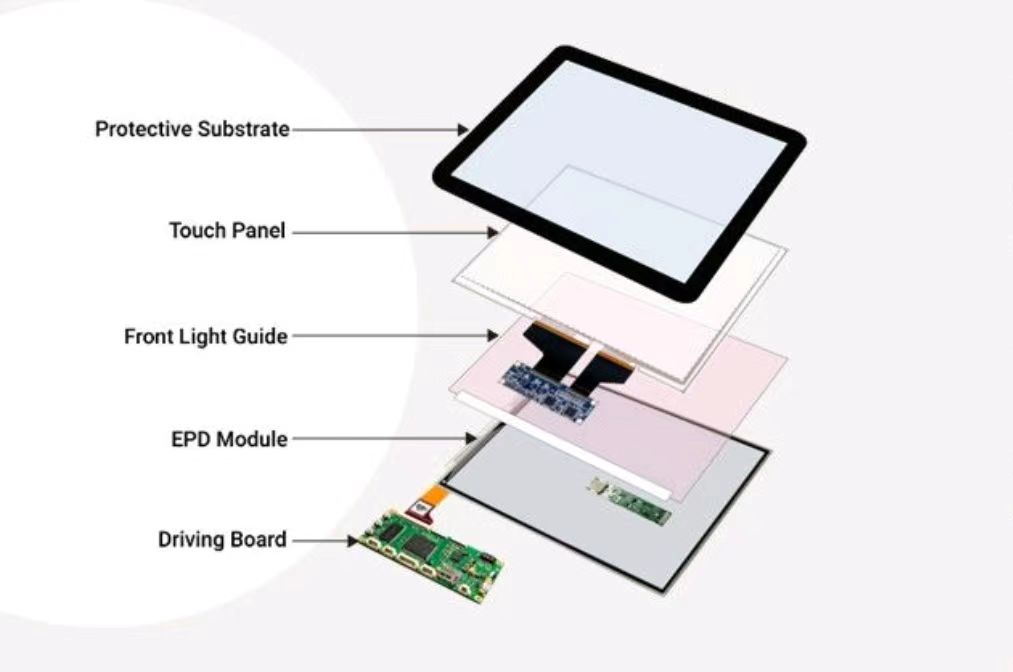
- G+G and G+F+F Structure Touch Screens
- High-Brightness, Multi-Touch, and Ruggedized Designs
- Flexible Interface Options – I2C, USB, SPI, RS485, UART, and more
With years of industry experience and numerous successful case studies, DINGTouch has supported clients in industrial control, smart home, medical equipment, commercial displays, and automotive electronics, providing high-quality, fully customized solutions.
 If you’re looking for personalized designs, differentiated configurations, or special-spec touch display solutions, contact the DINGTouch technical team today:

DINGTouch — Empowering Innovation, From Concept to Completion.
Ready to Build Your Outdoor Display Solution?
Get in touch with us at sales@szdingtouch.com. Our expert engineers will help you design a cost-effective, tailored solution to meet your project’s exact specifications.

DINGTouch :Committed to continuous innovation and improvement of product quality to meet customers' high requirements and expectations.
DINGTouch is a manufacturer that provides high quality touch screen panels. Focus on the design, manufacturing and sales of touch screen panels, and are committed to providing customized solutions that satisfy customers.
DINGTouch: In the process of customizing touch screen panels, we focus on close cooperation and communication with customers. Understanding customers' needs and providing customized solutions will meet customers' individual needs. The company's products are favored by customers for their high quality and reliability, and provide them with the best touchscreen panel solutions.
DINGTouch :Committed to continuous innovation and improvement of product quality to meet customers' high requirements and expectations.
DINGTouch is a manufacturer that provides high quality touch screen panels. Focus on the design, manufacturing and sales of touch screen panels, and are committed to providing customized solutions that satisfy customers.
DINGTouch: In the process of customizing touch screen panels, we focus on close cooperation and communication with customers. Understanding customers' needs and providing customized solutions will meet customers' individual needs. The company's products are favored by customers for their high quality and reliability, and provide them with the best touchscreen panel solutions.
At DINGTOUCH, we are the world's leading touchscreen manufacturer, helping businesses around the world take advantage of this exciting technology. For more information, please visit the home page now.
Find the DINGTouch technical team to achieve the success of your company's new project.

DINGTouch is a company specializing in the R&D and production of touch screen technology, headquartered in Shenzhen, China. As a professional touch screen supplier, DINGTouch is committed to providing high-quality, stable and reliable touch screen products to meet the diverse needs of customers. We continue to carry out technological innovation and product optimization to ensure that its touch screen products have good sensitivity, accuracy and durability.
In addition to the products themselves, we also focus on cooperation and communication with customers, and are committed to providing customized solutions and excellent after-sales services. Through continuous efforts to improve product quality and customer satisfaction, we have established a good reputation in the touchscreen industry and won widespread market recognition.
In addition to the products themselves, we also focus on cooperation and communication with customers, and are committed to providing customized solutions and excellent after-sales services. Through continuous efforts to improve product quality and customer satisfaction, we have established a good reputation in the touchscreen industry and won widespread market recognition.
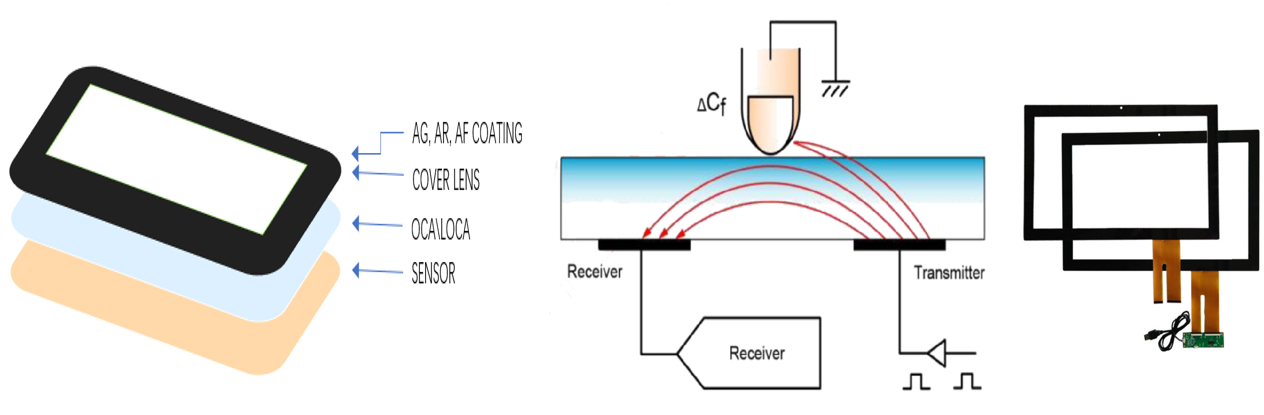
What DINGTOUCH can do:
• PCAP maximum size 65”
• Multi-touch (Touch screen can be customized to your needs.)
• Optical bonding service/air bonding
• LCD interface: HDMI/RGB/MIPI/LVDS/EDP, etc.
• PCAP interface: IIC/USB interface
• CTP can customize the cover glass surface treatment process AG (anti-glare), AR (anti-reflection), AF (anti-fingerprint), waterproof, and glove touch
• Supports 0.55 mm-12 mm coverslip touch.
• Support operating temperature: -40℃-90℃.
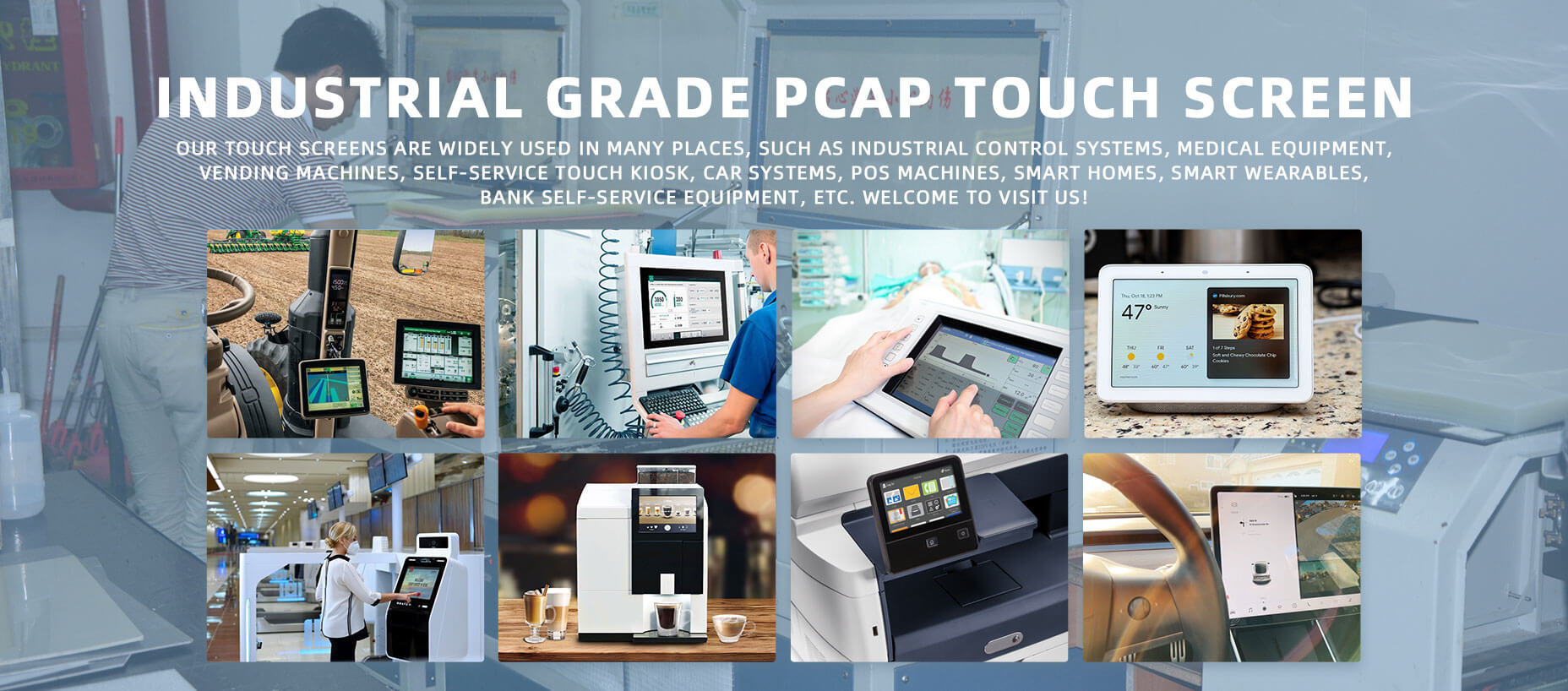
Dingtouch Industrial Capacitive Touch Screen Manufacturer
In conclusion, Dingtouch as a professional touch screen manufacturer with more than 10 years touch screen experience.We have many capacitive touch screen. Such as5 inch touch screen,7 inch touch screen,10.1inch touch screen,15 inch touch screen,15.6 inch touch screen,17 inch touch screen,18.5 inch touch screen,19 inch touch screen,21.5 inch touch screen,32 inch touch screen, However, we also welcome to customize your own touch screen . Contact our team today to learn what capacitive touch screen are best for our retail business needs.
Contact us NOW! sales@szdingtouch.com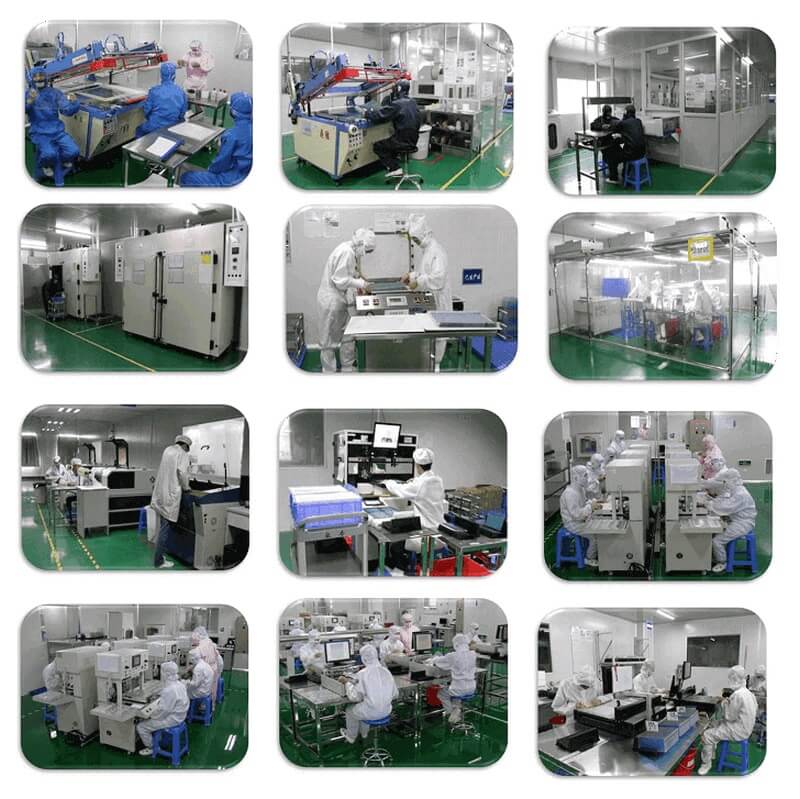
CATEGORIES
CONTACT US
Contact: Dingtouch
Phone: +8615815536116
Tel: +8615815536116
Email: sales@szdingtouch.com
Add: Building A, Bailu Plaza, No. 48, Gonghe Industrial Road, Gongle Community, Xixiang Street, Baoan District, Shenzhen,China. 518126
 Dingtouch