News
IPS vs. OLED Display: Which One Delivers Better Color Accuracy?
IPS vs. OLED Display: Which One Delivers Better Color Accuracy?
Color accuracy is one of the most critical aspects when evaluating display technologies. Whether you’re a graphic designer, photographer, video editor, or a professional working with color-critical content, your choice of display panel—IPS (In-Plane Switching) or OLED (Organic Light-Emitting Diode)—directly impacts the accuracy, vibrancy, and consistency of your visuals.
Both technologies are designed to deliver stunning image quality, but they take very different approaches. In this article, we compare IPS vs. OLED display with a focus on color accuracy, viewing performance, and professional applications.
Understanding IPS Display Technology
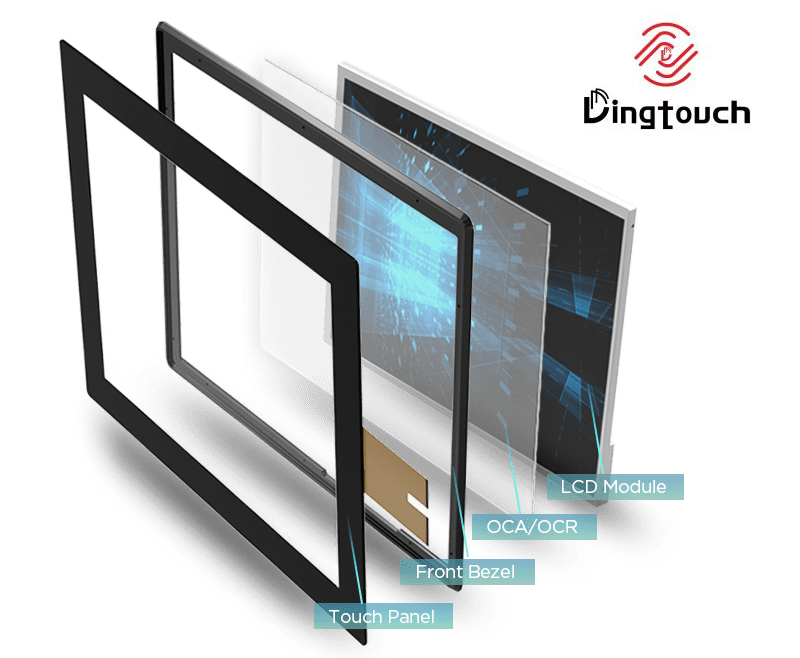
IPS is a branch of LCD technology, engineered to improve upon TN (Twisted Nematic) and VA (Vertical Alignment) panels.
-
Crystal Orientation: IPS panels align liquid crystals parallel to the screen surface, allowing light to pass more evenly. This results in uniform brightness and consistent colors even at wide angles.
-
Color Strengths: High-quality IPS panels reproduce colors with excellent accuracy, covering up to 99% sRGB and 95% AdobeRGB, making them reliable for print, design, and photography work.
-
Backlighting: IPS relies on LED or Mini-LED backlights. While this boosts brightness, it limits black levels, producing grayer blacks instead of true black.
✅ Best For: Long-term professional work requiring precise calibration, consistency, and reliability.
Understanding OLED Display Technology
OLED works differently from LCD-based technologies. Instead of requiring a backlight, each pixel in an OLED panel is self-emissive.
-
Self-Emissive Pixels: Each pixel can turn on/off independently, delivering perfect blacks and infinite contrast ratios.
-
Color Advantages: OLED panels often exceed 100% DCI-P3 and even approach Rec.2020, making them ideal for cinema and HDR workflows.
-
No Backlight Needed: Eliminates light bleed and haloing, improving color perception in dark scenes.
✅ Best For: Environments demanding immersive visuals, cinematic accuracy, and superior HDR performance.

IPS vs. OLED: Key Differences in Color Accuracy
-
Black Levels & Contrast
-
IPS: Backlight is always on → blacks appear grayish, reducing depth in dark scenes.
-
OLED: Perfect black with infinite contrast → superior color separation and lifelike vibrancy.
-
-
Color Gamut Coverage
-
IPS: Excellent for sRGB/AdobeRGB (ideal for print workflows).
-
OLED: Wider coverage of DCI-P3 & Rec.2020 (best for HDR and cinema).
-
-
Color Consistency & Calibration
-
IPS: Easy to calibrate and highly stable → standard for color-critical industries.
-
OLED: Can appear over-saturated unless finely calibrated.
-
-
Viewing Angles
-
IPS: Up to 178° viewing angles with minimal color shift.
-
OLED: Equal or better, thanks to self-emissive pixels.
-
Professional Applications
-
Graphic Design & Photography:
IPS remains the industry standard due to consistent calibration and predictable performance for print-oriented work. -
Video Editing & Film Production:
OLED excels in HDR and cinematic accuracy, making it the preferred choice in post-production studios. -
Office & Productivity Work:
IPS is more practical due to lower burn-in risk, ideal for long-term use in spreadsheets, CAD, and general office tasks.
Limitations to Consider
-
IPS Limitations:
-
Backlight bleed and haloing
-
Weaker contrast compared to OLED
-
-
OLED Limitations:
-
Burn-in risks with static content
-
Gradual color shift (especially in blue pixels) over time
-
Higher cost compared to IPS
-
Cost & Future Trends
-
IPS: Affordable and stable. Factory-calibrated IPS monitors are widely available for professional use.
-
OLED: Premium pricing but dropping steadily as manufacturing scales.
Emerging Innovations:
-
Mini-LED IPS: Narrowing the contrast gap with OLED, improving HDR.
-
Next-Gen OLED: Higher brightness, longer lifespan, and reduced burn-in risk.
Final Verdict: Which Should You Choose for Color Accuracy?
-
Choose IPS → If you prioritize long-term stability, affordability, and calibration precision for tasks like graphic design, photography, and office work.
-
Choose OLED → If you need perfect blacks, rich HDR, and cinematic vibrancy, especially for video editing, film production, and entertainment.
In summary: IPS display are trusted workhorses in professional workflows, while OLED represents the pinnacle of immersive visual performance. The best choice depends on whether your priority is reliability (IPS) or next-level realism (OLED).
Why DINGTouch?
As a leading solution provider in the touchscreen display industry, DINGTouch offers:
-
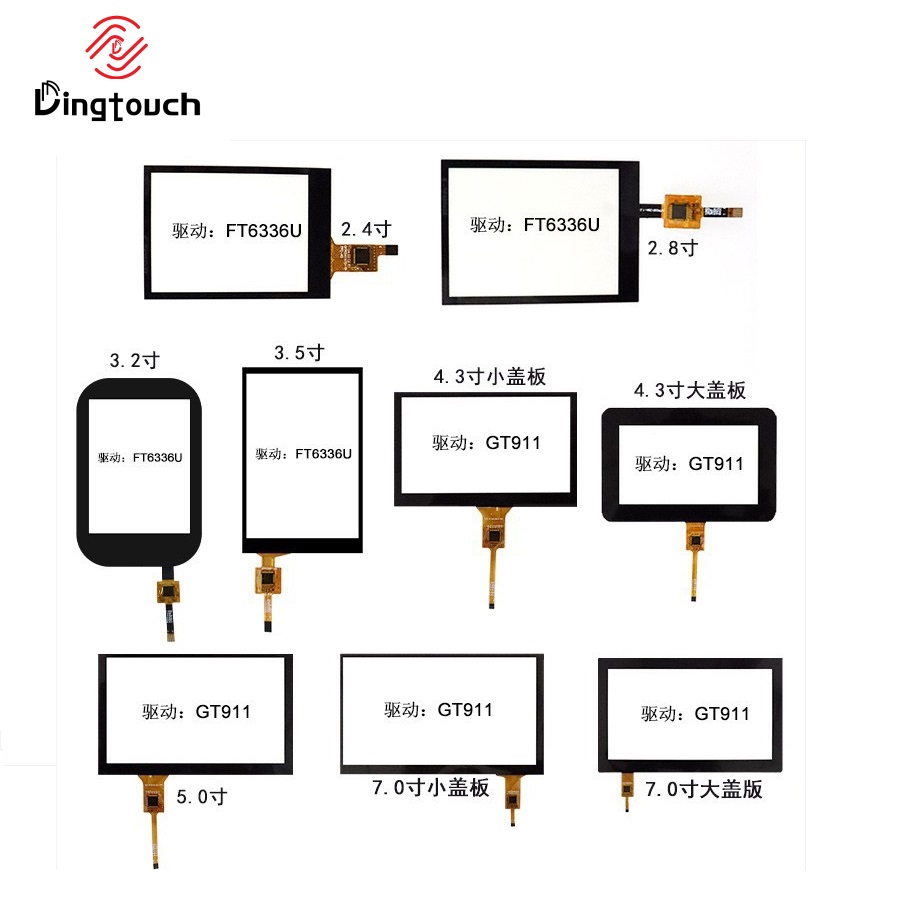
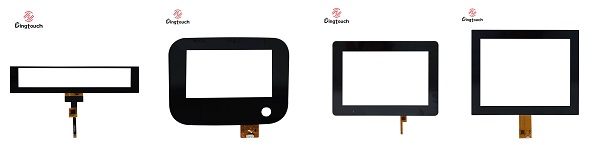
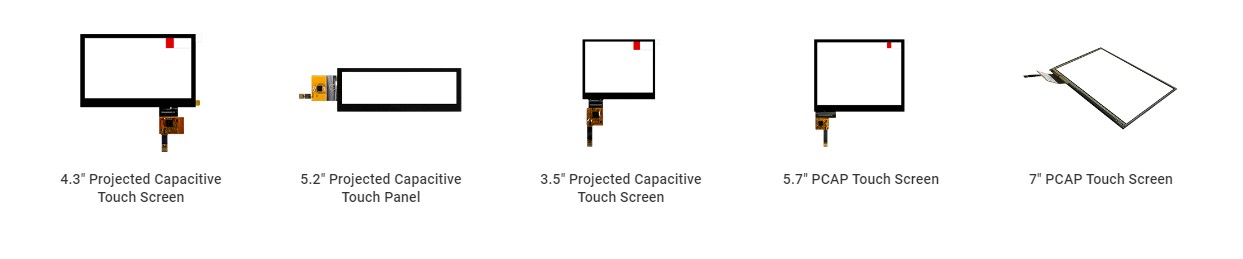
Full customization: size, interface (HDMI, LVDS, RGB, SPI), brightness, touch type (PCAP, resistive)
-
Durable construction with industrial-grade components
-
Global shipping and support for custom OEM/ODM requirements
-
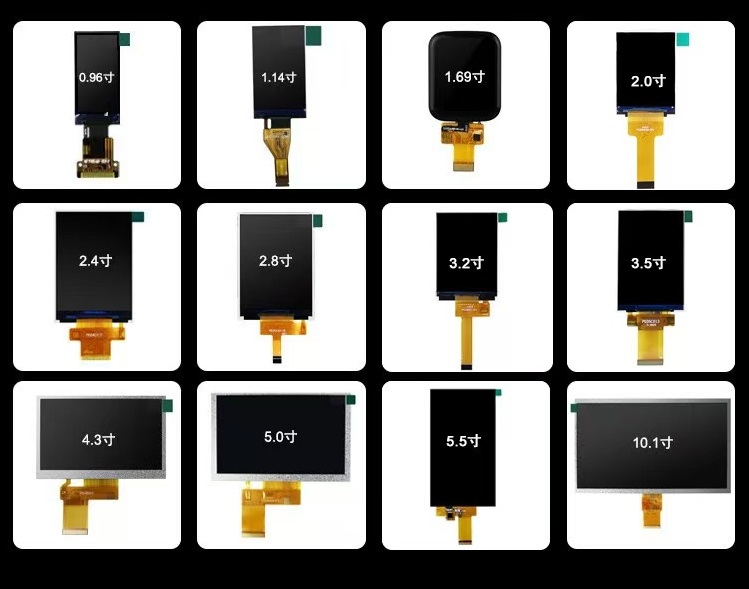
Wide product range: from 2.8” to 23.8”+, IPS and TFT available
-
Specialized solutions for medical, industrial, commercial, and smart device markets
Final Thoughts
IPS and TFT each offer unique benefits. IPS is the go-to for visual excellence and precision, while TFT is ideal for cost-efficient, energy-conscious designs.
 Need help choosing?
Reach out to DINGTouch expert team for tailored recommendations. Whether you're developing an industrial control system, a smart terminal, or a custom handheld device, we deliver the right display solution—on time, on spec, and on budget.
 Email: Sales@szdingtouch.com
 Website: www.szdingtouch.com
Ready to Build Your Outdoor Display Solution?
Get in touch with us at sales@szdingtouch.com. Our expert engineers will help you design a cost-effective, tailored solution to meet your project’s exact specifications.

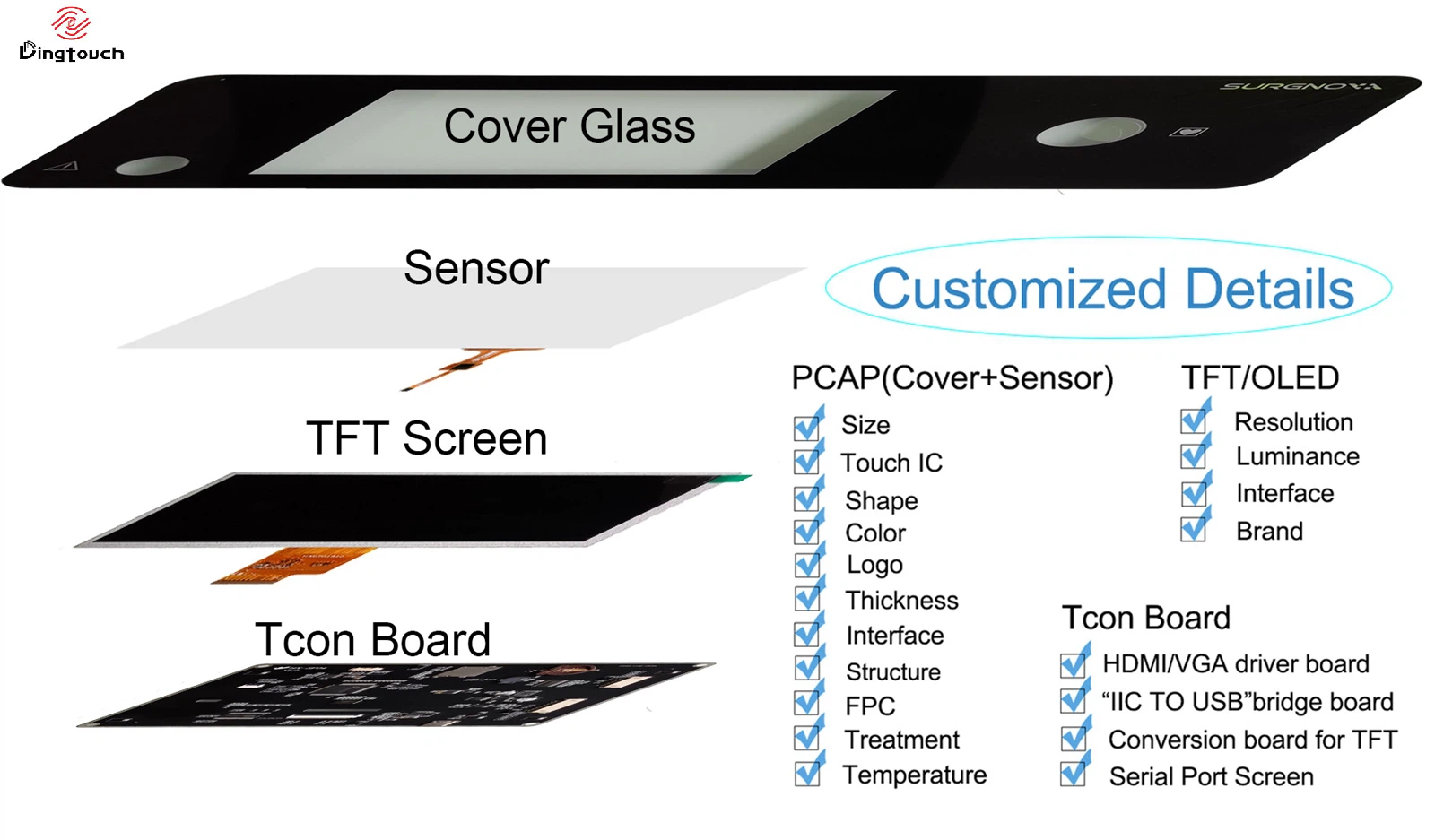
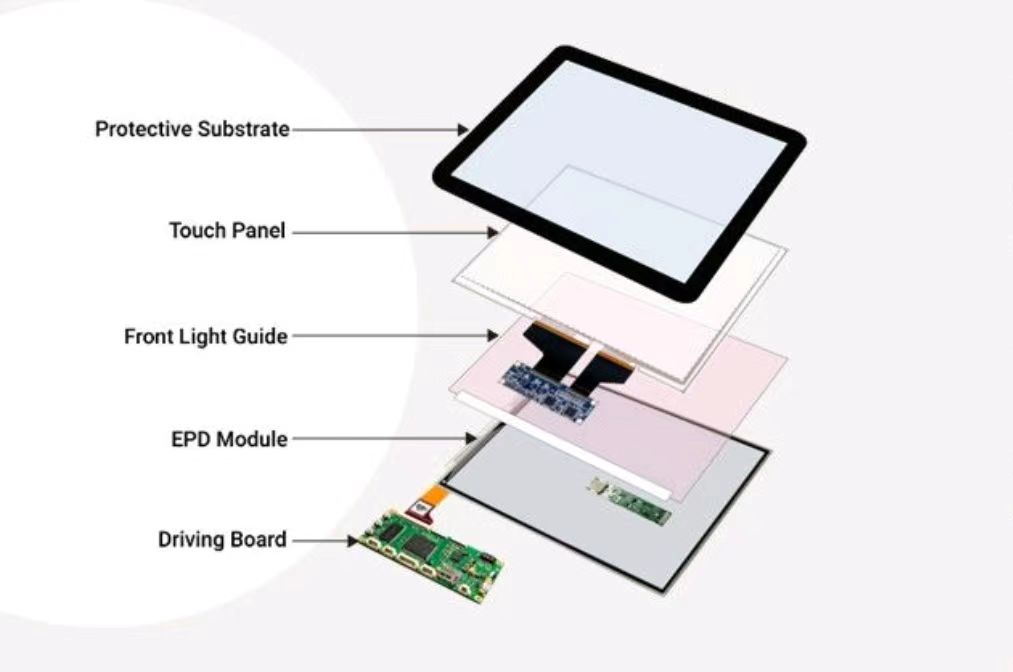
DINGTouch :Committed to continuous innovation and improvement of product quality to meet customers' high requirements and expectations.
DINGTouch is a manufacturer that provides high quality touch screen panels. Focus on the design, manufacturing and sales of touch screen panels, and are committed to providing customized solutions that satisfy customers.
DINGTouch: In the process of customizing touch screen panels, we focus on close cooperation and communication with customers. Understanding customers' needs and providing customized solutions will meet customers' individual needs. The company's products are favored by customers for their high quality and reliability, and provide them with the best touchscreen panel solutions.
DINGTouch :Committed to continuous innovation and improvement of product quality to meet customers' high requirements and expectations.
DINGTouch is a manufacturer that provides high quality touch screen panels. Focus on the design, manufacturing and sales of touch screen panels, and are committed to providing customized solutions that satisfy customers.
DINGTouch: In the process of customizing touch screen panels, we focus on close cooperation and communication with customers. Understanding customers' needs and providing customized solutions will meet customers' individual needs. The company's products are favored by customers for their high quality and reliability, and provide them with the best touchscreen panel solutions.
At DINGTOUCH, we are the world's leading touchscreen manufacturer, helping businesses around the world take advantage of this exciting technology. For more information, please visit the home page now.
Find the DINGTouch technical team to achieve the success of your company's new project.

DINGTouch is a company specializing in the R&D and production of touch screen technology, headquartered in Shenzhen, China. As a professional touch screen supplier, DINGTouch is committed to providing high-quality, stable and reliable touch screen products to meet the diverse needs of customers. We continue to carry out technological innovation and product optimization to ensure that its touch screen products have good sensitivity, accuracy and durability.
In addition to the products themselves, we also focus on cooperation and communication with customers, and are committed to providing customized solutions and excellent after-sales services. Through continuous efforts to improve product quality and customer satisfaction, we have established a good reputation in the touchscreen industry and won widespread market recognition.
In addition to the products themselves, we also focus on cooperation and communication with customers, and are committed to providing customized solutions and excellent after-sales services. Through continuous efforts to improve product quality and customer satisfaction, we have established a good reputation in the touchscreen industry and won widespread market recognition.
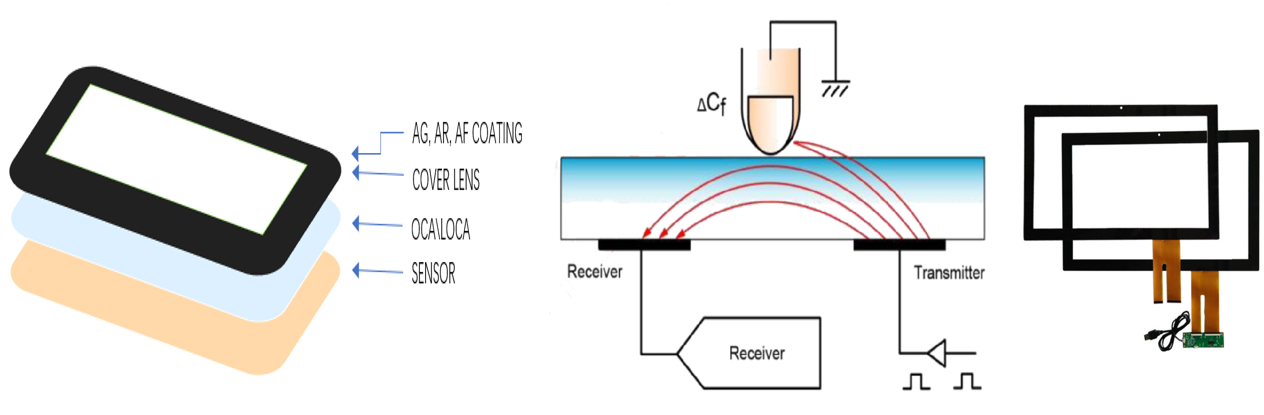
What DINGTOUCH can do:
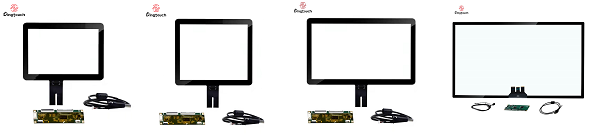
• PCAP maximum size 65”
• Multi-touch (Touch screen can be customized to your needs.)
• Optical bonding service/air bonding
• LCD interface: HDMI/RGB/MIPI/LVDS/EDP, etc.
• PCAP interface: IIC/USB interface
• CTP can customize the cover glass surface treatment process AG (anti-glare), AR (anti-reflection), AF (anti-fingerprint), waterproof, and glove touch
• Supports 0.55 mm-12 mm coverslip touch.
• Support operating temperature: -40℃-90℃.
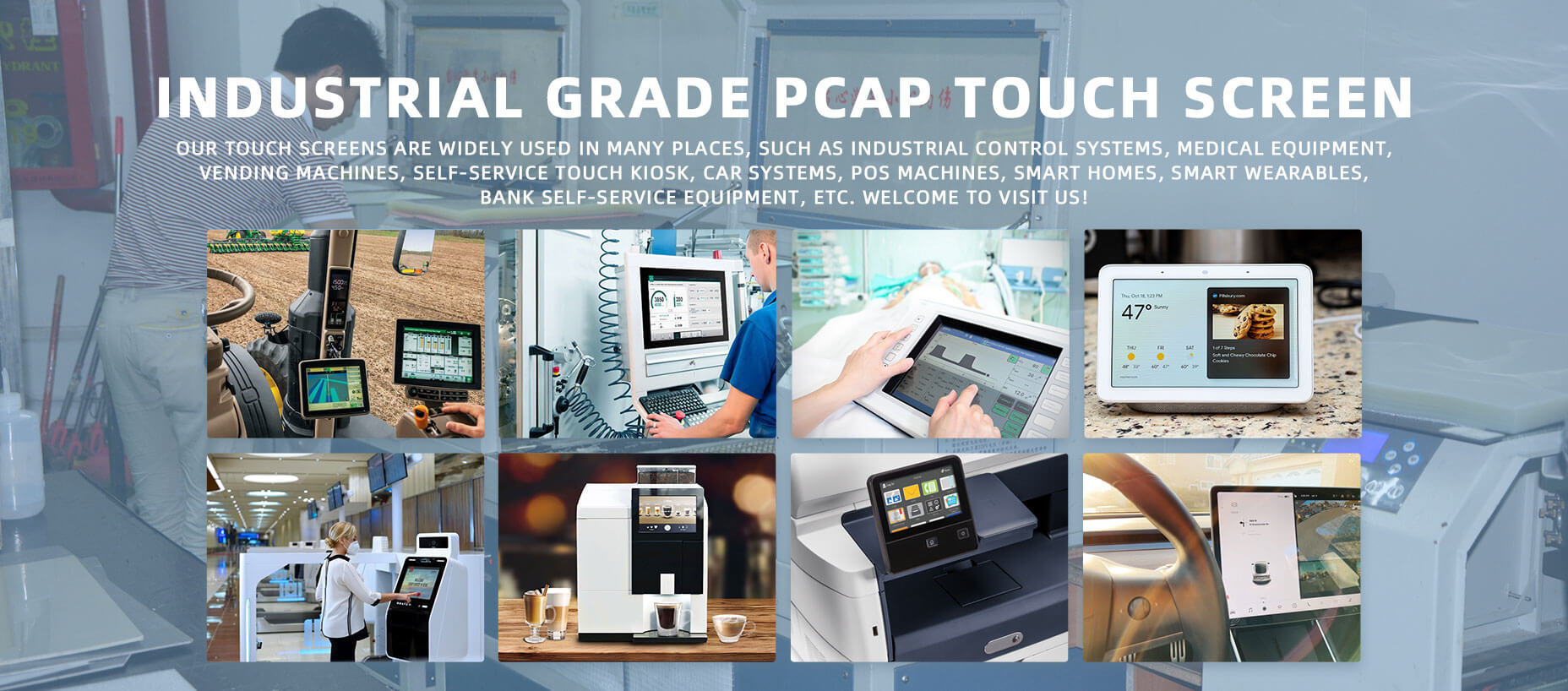
Dingtouch Industrial Capacitive Touch Screen Manufacturer
In conclusion, Dingtouch as a professional touch screen manufacturer with more than 10 years touch screen experience.We have many capacitive touch screen. Such as5 inch touch screen,7 inch touch screen,10.1inch touch screen,15 inch touch screen,15.6 inch touch screen,17 inch touch screen,18.5 inch touch screen,19 inch touch screen,21.5 inch touch screen,32 inch touch screen, However, we also welcome to customize your own touch screen . Contact our team today to learn what capacitive touch screen are best for our retail business needs.
Contact us NOW! sales@szdingtouch.com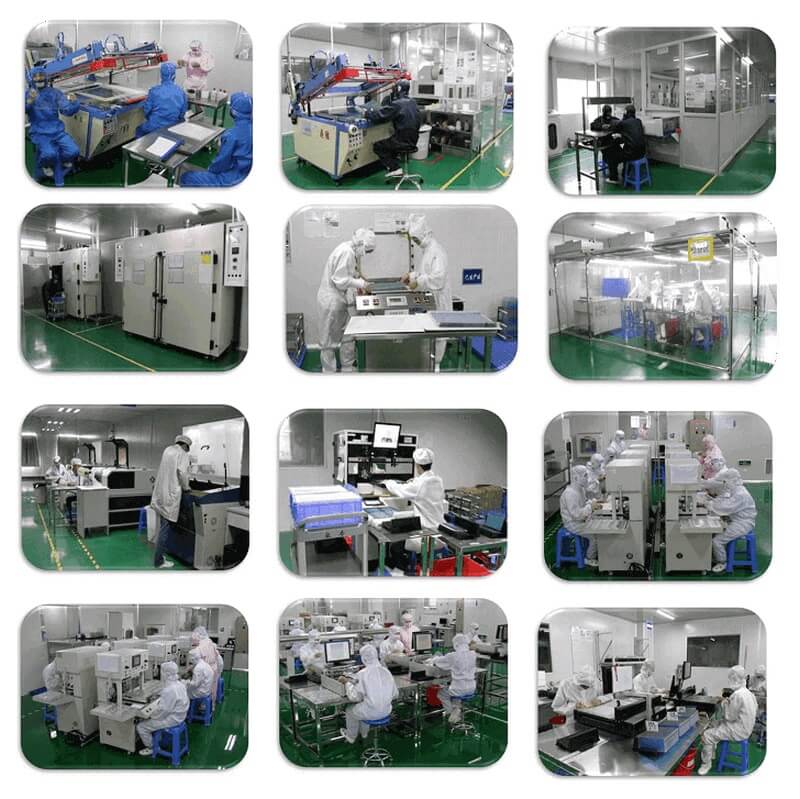
CATEGORIES
CONTACT US
Contact: Dingtouch
Phone: +8615815536116
Tel: +8615815536116
Email: sales@szdingtouch.com
Add: Building A, Bailu Plaza, No. 48, Gonghe Industrial Road, Gongle Community, Xixiang Street, Baoan District, Shenzhen,China. 518126
 Dingtouch